England has always been a fascinating land of contrasts — a country where ancient traditions still thrive amid cutting-edge innovation. But in recent years, the pace of change has accelerated. A new lifestyle landscape is emerging, shaped by shifting values, technological disruption, sustainability goals, and a deeper search for meaning and balance. From eco-conscious living and plant-based eating to diversity-driven design and slow living, here’s a comprehensive look at the ten lifestyle trends defining modern England today — and what they reveal about its evolving identity.
Introduction: A Nation Balancing Heritage and Modernity
England’s lifestyle has never been static. The same country that treasures its centuries-old rituals — afternoon tea, village fêtes, Sunday roasts — is also a leader in pioneering global trends. This duality has always defined English life, but today, the balance between tradition and transformation feels more pronounced than ever.
The 21st century has brought seismic changes: climate change, digital connectivity, demographic shifts, and a post-pandemic reassessment of priorities. As a result, how people live, work, eat, travel, and connect is being reimagined. Sustainability is now a social norm, not a choice. Wellness extends far beyond fitness to encompass mental and emotional health. Cities are being redesigned for people, not cars. And experiences, rather than possessions, define status.
This evolution is not just about lifestyle choices — it’s a reflection of a deeper societal transformation. England is redefining success, identity, and purpose in ways that resonate globally. In this comprehensive guide, we explore the 10 most influential lifestyle trends shaping life in modern England right now.
1. Sustainability as a Way of Life: The Green Revolution
From Concern to Commitment
Sustainability has transcended activism to become an everyday English lifestyle. Once a niche concern championed by environmentalists, it is now embedded in daily decisions — from what people eat and wear to how they build homes and travel. The government’s pledge to achieve net-zero emissions by 2050 has accelerated this shift, with individuals, businesses, and local councils all taking action.
Everyday Sustainability in Action
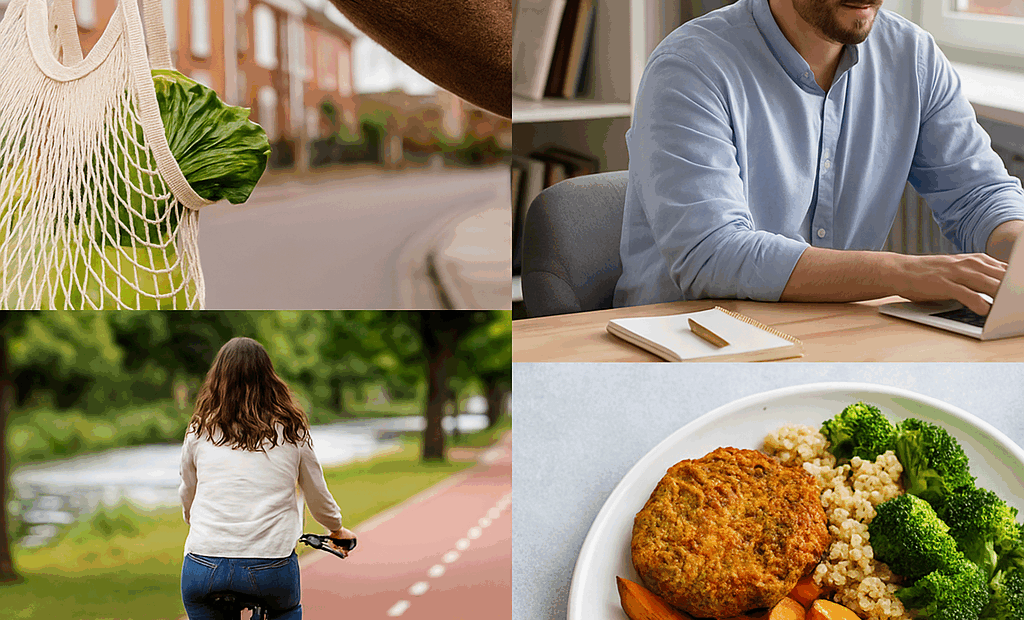
Households are installing solar panels and smart meters, urbanites are embracing cycling over driving, and refill shops are replacing single-use plastics with reusable alternatives. Eco-conscious construction — using materials like hempcrete and recycled steel — is becoming mainstream. Even fashion is changing: upcycled clothing and circular fashion platforms are booming.
Did You Know?
- The UK’s electric vehicle market grew by over 40% in 2024, with more than 1 million EVs now on the road.
- More than 70% of UK consumers say they actively avoid brands with poor environmental records.
Expert Tip: Make Sustainability Effortless
Start small — switch to renewable energy, compost organic waste, support local farmers, and choose quality over quantity in fashion. Over time, these micro-choices collectively create a significant impact.
Future Outlook
Sustainability will soon become a baseline expectation in every aspect of English life — from government policies to consumer habits. Circular economies, zero-waste supply chains, and carbon-neutral lifestyles are not distant dreams but near-future realities.
2. Digital Wellness: Reclaiming Human Focus in a Hyperconnected Age
The Tech Paradox
Technology has transformed English life, but it’s also created new challenges. Smartphones, social media, and AI have enhanced convenience and connectivity, yet they’ve also fuelled anxiety, distraction, and burnout. As a result, digital wellness — the conscious management of technology’s role in daily life — has become a defining trend.
The Rise of Mindful Tech Habits
People are setting “digital boundaries” — limiting screen time, disabling notifications, and dedicating tech-free hours. “Digital detox” retreats are popular weekend getaways, while apps that monitor and manage screen usage are now standard. Even schools are teaching digital literacy, helping children understand not just how to use technology but how to use it wisely.
Did You Know?
A 2024 Ofcom survey found that 63% of UK adults try to limit screen time each week to improve mental well-being.
Expert Tips for a Balanced Digital Life
- Set “no-screen” zones in your home — like bedrooms or dining areas.
- Use focus apps that block distractions during work hours.
- Replace doomscrolling with mindfulness practices or reading.
The Future of Tech-Life Harmony
As AI and automation continue to shape society, digital wellness will become as important as physical health. Companies are introducing “well-tech” features — from built-in screen breaks to digital wellness dashboards — ensuring technology enhances life rather than overwhelms it.
3. The Remote Work Revolution: Redefining Work-Life Dynamics
From Offices to Anywhere
The pandemic transformed work in England forever. What began as a necessity has evolved into a permanent cultural shift. Remote and hybrid work are now standard across industries, offering unprecedented flexibility and autonomy.
A New Geography of Work
Cities like London and Manchester remain economic hubs, but many professionals are moving to smaller towns or countryside locations to enjoy a better quality of life. Co-working spaces are thriving in rural communities, and “workation” (working while travelling) is a growing phenomenon.
Did You Know?
By 2025, over 42% of the UK workforce will work remotely at least part of the time.
Productivity and Purpose
This shift has redefined how people think about careers. Work-life balance, mental health, and purpose now outweigh traditional status symbols like job titles or office perks. Companies, too, benefit from happier, more productive employees and access to global talent pools.
Expert Tip:
Create a dedicated, ergonomic home office space to improve focus, posture, and productivity.
What’s Next?
The remote work trend is likely to expand into four-day work weeks, asynchronous teams, and “digital-first” companies. This flexibility will redefine not just careers but how people design their lives around work.
4. Localism and Community Revival: Think Global, Live Local
The Return of Local Values
Globalisation has connected the world, but it’s also created a yearning for local identity. In England, this has sparked a revival of community-focused living. From local food co-ops and farmers’ markets to neighbourhood festivals and volunteer groups, people are rediscovering the value of proximity and participation.
A New Economic Model
Small businesses are thriving as consumers consciously choose local over global. Artisanal bakeries, craft breweries, and independent bookstores are booming. Even online shopping is getting a local twist, with hyperlocal delivery platforms connecting neighbourhood producers to nearby customers.
Did You Know?
Local businesses reinvest up to 63% of their revenue into the community — compared to less than 15% for multinationals.
Tips to Support Localism
- Shop at farmers’ markets and independent shops.
- Join community projects or local events.
- Choose local services over large corporate alternatives.
Future Vision
Localism will continue to grow as people seek sustainability, authenticity, and resilience. In a world facing global uncertainty, local networks provide trust, stability, and shared purpose.
5. Wellness Culture: The Pursuit of Holistic Health
Beyond Fitness: A 360° Approach
Wellness in England has evolved from gym memberships and diet plans into a holistic lifestyle movement. It now encompasses physical, mental, emotional, and even spiritual health. Practices like meditation, breathwork, forest therapy, and cold-water immersion are no longer fringe activities — they’re mainstream.
Wellness in Daily Life
Urban wellness centres, nature-based retreats, and mental health apps are flourishing. Workplaces offer wellness days, and health insurers reward mindful living. Public health campaigns focus on prevention rather than cure.
Did You Know?
The UK wellness economy is projected to surpass £30 billion by 2026.
Expert Wellness Strategies
- Practise daily mindfulness or journaling.
- Embrace “green exercise” — spend at least 20 minutes a day outdoors.
- Prioritise sleep and digital boundaries.
The Future of Wellness
Wellness will become increasingly personalised, with biometric data, AI coaching, and preventive healthcare shaping the next decade. The emphasis will be on balance — integrating physical, mental, and environmental well-being into one holistic system.
6. Plant-Based and Ethical Eating: Food with Purpose
The New Food Revolution
Food choices in England are shifting dramatically. Plant-based diets, once niche, are now mainstream. Ethical concerns — from animal welfare to climate change — are influencing how people eat, shop, and cook. Supermarkets now offer hundreds of vegan options, and meat-free menus are standard in restaurants.
Did You Know?
More than 4 million Britons now follow a fully plant-based diet.
From Farm to Fork
The movement goes beyond diet. Consumers demand transparency, fair trade, low food miles, and regenerative farming. Community-supported agriculture schemes allow people to “own” a share of local farms, while vertical farming in cities is revolutionising urban food production.
Expert Tips for a Conscious Diet
- Start with “Meat-Free Mondays.”
- Choose seasonal, locally grown produce.
- Look for certifications like Fairtrade and Organic.
Future Forecast
By 2030, plant-based foods could make up 30% of the UK food market. As ethical eating becomes standard, food will not just nourish — it will reflect values.
7. Slow Living and the Heritage Revival: Rediscovering Simplicity
Slowing Down in a Fast World
In an age of speed, many in England are choosing to slow down. Slow living — an intentional lifestyle that values quality over quantity — is a growing movement. People are spending more time cooking from scratch, gardening, crafting, and reconnecting with nature.
A Return to Tradition
Cottagecore — the romanticisation of rural life — has moved from social media to real life. Vintage décor, heritage skills, and seasonal living are making a comeback. Traditional crafts like pottery, weaving, and home-brewing are being rediscovered by younger generations.
Did You Know?
DIY and home-crafting sales in the UK have risen by 48% since 2020.
Tips for a Slower Life
- Spend one day a week without screens.
- Grow herbs or vegetables at home.
- Learn a heritage skill like baking or woodworking.
The Road Ahead
Slow living reflects a broader cultural shift: a rejection of consumerism and a desire for depth, connection, and authenticity. It’s a lifestyle that celebrates the essence of “enough.”
8. Outdoor Living and Green Urbanism: Cities Reimagined
Nature Returns to the City
Green spaces are no longer a luxury — they’re a priority. English cities are redesigning themselves to integrate nature. Rooftop gardens, urban forests, and rewilding projects are revitalising urban landscapes. Cycling paths and pedestrian zones encourage active transport.
Did You Know?
Over 85% of Londoners now live within a 10-minute walk of a green space.
Micro-Adventures and Local Exploration
With travel becoming more expensive and climate-conscious, people are embracing micro-adventures — exploring nearby national parks, canals, or coastline trails. Outdoor hobbies like paddleboarding, hiking, and wild camping are soaring in popularity.
Expert Tip:
Plan monthly weekend adventures within 50 miles of home — it’s affordable, sustainable, and restorative.
Future Cities
Urban planning will increasingly prioritise green infrastructure, biodiversity, and climate resilience. England’s cities are evolving into “biophilic” spaces — designed not just for humans, but for the planet.
9. Experience Economy: Redefining Luxury and Success
Experiences Over Possessions
Luxury is no longer about status symbols — it’s about stories. English consumers, especially younger generations, are spending more on travel, workshops, retreats, and cultural experiences than on material goods.
Did You Know?
Spending on experiences in the UK grew by 31% in 2024 — outpacing luxury goods.
The Minimalist Mindset
Minimalism is gaining traction as people declutter, downsize, and invest in what truly matters. This shift reflects deeper values: authenticity, freedom, and memory-making.
Expert Tip:
Instead of buying more “stuff,” allocate part of your budget each month to an experience — a concert, cooking class, or local adventure.
What’s Next?
The experience economy will merge with technology, offering immersive VR travel, experiential retail, and personalised event curation. The future of luxury will be measured not by what you own, but by what you’ve lived.
10. Diversity and Inclusion: The Soul of Modern England
A Mosaic of Identities
Modern England is proudly multicultural — a tapestry of languages, cuisines, festivals, and traditions. Diversity is not just demographic; it’s cultural, economic, and creative. Inclusive design, gender-neutral fashion, and multilingual media reflect a society where difference is celebrated.
Did You Know?
Over 14% of England’s population was born abroad, contributing to its cultural richness.
Inclusion Beyond Identity
Diversity also extends to accessibility, neurodiversity, and age inclusivity. Public spaces, workplaces, and media campaigns are becoming more representative, ensuring everyone sees themselves reflected in society.
Expert Tip:
Engage with different cultures through festivals, books, or cuisine — it broadens perspective and builds empathy.
The Future of Inclusion
Diversity will shape innovation, creativity, and policy. A society that embraces difference is not only fairer — it’s stronger, more resilient, and more imaginative.
FAQs
1. What is the biggest lifestyle change in England today?
The most significant lifestyle shift in England is the widespread adoption of sustainability. From energy-efficient homes and electric vehicles to zero-waste shopping and plant-based diets, eco-conscious choices now shape daily decisions. People are actively seeking ways to reduce their carbon footprint, prioritising ethical brands, and supporting local businesses. Sustainability is no longer an optional lifestyle choice — it’s a collective movement redefining how communities live, consume, and interact with the environment.
2. How common is remote work now?
Remote work has become a permanent feature of the English workforce, reshaping both urban and rural life. By 2025, more than 40% of employees are expected to work remotely at least part-time, with many companies adopting flexible or hybrid models. This shift allows professionals to move away from expensive cities, achieve better work-life balance, and design daily routines around personal priorities. It’s also driving innovation in housing, co-working spaces, and digital infrastructure nationwide.
3. Why is wellness so important now?
Wellness has evolved into a holistic lifestyle priority, reflecting a broader societal focus on balance and mental resilience. Rising stress levels, digital overload, and lifestyle-related illnesses have prompted individuals to embrace mindfulness, fitness, nutrition, and emotional well-being as daily essentials. Practices like meditation, breathwork, cold-water immersion, and nature therapy are now mainstream. This shift shows that people increasingly view health as a complete system — integrating mind, body, and environment for long-term quality of life.
4. Are plant-based diets just a trend?
Plant-based eating has grown far beyond a passing trend to become a mainstream lifestyle choice in England. Motivated by environmental concerns, animal welfare, and health benefits, millions are shifting towards vegetarian and vegan diets. Restaurants, supermarkets, and food brands now cater to this demand with diverse, innovative options. By 2030, plant-based foods are projected to account for nearly 30% of the UK food market, making them a permanent and influential part of national eating habits.
5. What does “slow living” mean?
Slow living is a lifestyle philosophy centred on intentionality, simplicity, and mindfulness. It’s a conscious rejection of the fast-paced, consumer-driven culture in favour of quality time, meaningful experiences, and sustainable choices. Practitioners embrace activities like home cooking, gardening, crafting, and digital detoxing to reconnect with nature and community. By prioritising balance over busyness, slow living promotes mental well-being, reduces stress, and fosters deeper appreciation for everyday moments — encouraging a richer, more purposeful life.
6. How is diversity shaping daily life?
Diversity has become one of the most defining features of modern England, influencing culture, economy, and social dynamics. It shapes fashion, food, festivals, and media while enriching workplaces and education. Policies promoting inclusivity have improved accessibility and representation for all communities, including ethnic minorities, LGBTQ+ groups, and people with disabilities. This cultural mosaic encourages creativity, innovation, and empathy, creating a society where different perspectives are valued — ultimately strengthening the social fabric and collective identity.
7. What will shape England’s lifestyle in the future?
Several powerful forces will shape England’s future lifestyle. Sustainability will guide policies and consumer behaviour, while AI and automation transform work and daily routines. Wellness innovation will continue prioritising mental and physical health, and cultural diversity will redefine identity and community. Climate adaptation will influence urban planning, housing, and travel habits. Together, these trends will create a society that’s more inclusive, balanced, and purpose-driven, blending traditional English values with modern global realities.
Conclusion: England’s New Way of Life
England today stands at a pivotal moment in its social evolution. Its lifestyle is neither a nostalgic return to the past nor a blind rush into the future. Instead, it is a thoughtful fusion of heritage and progress — a society striving to live sustainably, think inclusively, and connect meaningfully.
These ten trends reveal more than habits — they signal values. They show a people who value community over consumption, purpose over possessions, and well-being over wealth. As England continues to evolve, these shifts will shape not only the way people live but also the kind of society they build for generations to come.