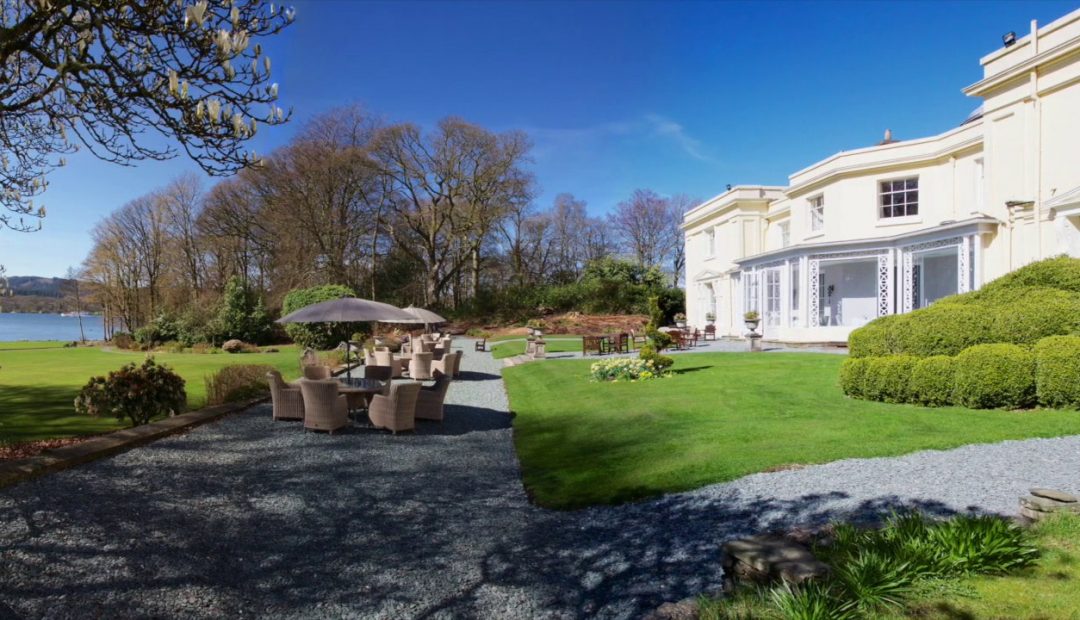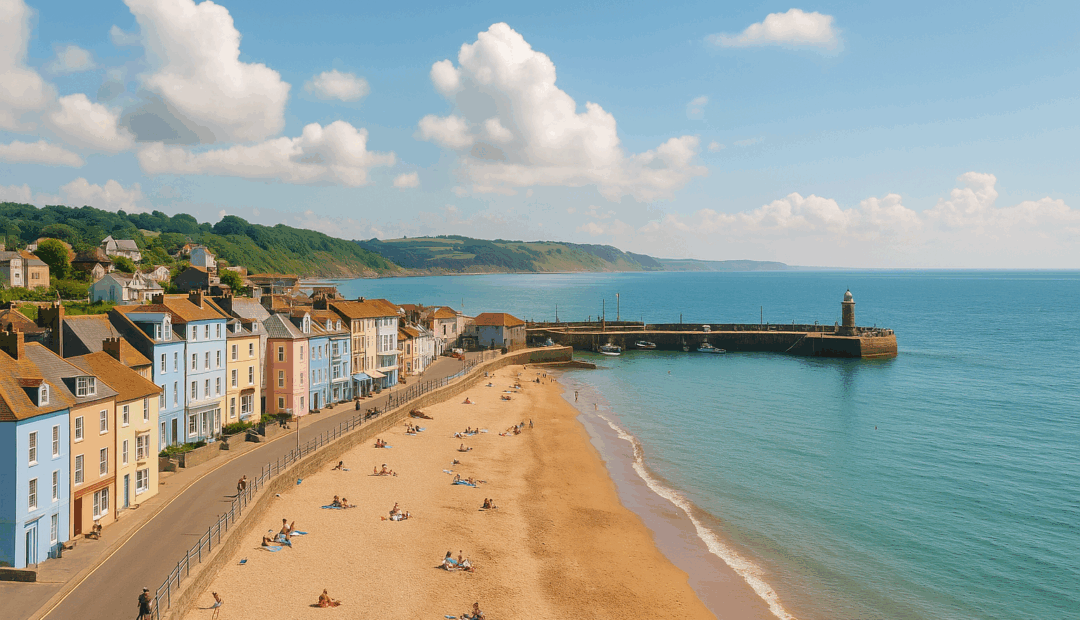
Imagine stepping off the train in a charming English coastal town: salt-tinged sea air, the cry of gulls overhead, pastel-painted terraces and a meandering promenade inviting you to explore. You have only a weekend—but it doesn’t matter. These seaside escapes, each distinct in character, offer that rare blend of tranquility and discovery. Join us as we uncover eight coastal towns in England perfect for a weekend trip, their highlights, what to do, and how to make the most of every hour by the sea.
Introduction
England’s coastline is a mosaic of natural beauty, cultural heritage, and seaside charm. From rugged cliffs and golden beaches to historic harbours and pastel-painted cottages, each coastal town tells its own story of trade, art, and tradition. Whether you seek windswept walks along the Jurassic Coast, the creative pulse of Cornwall, or the nostalgic charm of Kent’s pebbled shores, these destinations promise rejuvenation and inspiration. For weekend travellers, England’s coast offers a perfect balance of accessibility and escape — where relaxation meets discovery in just a few hours from home.
Planning a weekend by the sea is more than choosing a picturesque spot; it’s about embracing the rhythm of coastal life. You’ll find local markets filled with fresh catch, cliffside paths unveiling breathtaking views, and sunsets that paint the horizon in hues of gold and crimson. Each town—be it Whitby’s gothic beauty, Salcombe’s sailing allure, or Margate’s artistic revival—has a distinct personality waiting to be explored. This guide to eight coastal towns in England perfect for a weekend trip will help you uncover seaside treasures that blend history, leisure, and natural splendour, making every short escape feel like a timeless retreat.
1. Whitby, North Yorkshire
Why Whitby stands out
Whitby nestles on the Yorkshire coast where the River Esk meets the North Sea. Steeped in maritime history, it once hosted herring fleets and whalers, and is famously associated with the ship-mate training of James Cook. The dramatic ruins of Whitby Abbey overlooking the harbour lend the town a haunting gothic charm—famously inspiring chapters of Dracula.
What to do on a weekend
- Walk the 199 steps up to Whitby Abbey for panoramic views and a dose of history.
- Sample classic fish & chips along the harbour front—Whitby’s offering is especially famed among locals and visitors alike.
- Explore the old town’s narrow streets, browse for ‘jet’ jewellery (the dark mineraloid found locally) and enjoy the mix of shops and cafés.
- Take a harbour boat trip or wander along the beach at West Cliff, enjoying sea-air and views of the headland.
- For a bit more expertise: the neighbouring cliffs are fossil-rich—history and geology meet seaside pleasure.
Weekend tips
- Stay in the West Cliff or harbour-side area to be close to both the beach and the town centre.
- Visit in the morning or late afternoon for fewer crowds and better light for the Abbey ruins.
- Bring a jumper / windbreaker—even in summer, the breeze from the North Sea bites.
- If time allows: hop on the steam-heritage train via the Esk Valley or take a coastal walk for extra scenic pleasure.
Key facts
- Population: around 13,000 (2011) in the civil parish.
- The cliffs and shoreline are part of the North Yorkshire and Cleveland Heritage Coast.
- Whitby’s economy today is largely tourism and fishing—its historic legacy remains tangible.
2. St Ives, Cornwall
Why St Ives works beautifully for a weekend
Nestled on the rugged Cornish coast, St Ives is a picturesque seaside town famed for its beaches, artistic legacy and mild climate. It was declared “Best UK Seaside Town” by various awards in past years. The harbour-side charm, colourful cottages, art galleries and surfing-friendly bay make it a compelling choice for a short escape.
What to do over the weekend
- Sit by the harbour, watch fishing boats come and go, and enjoy a meal overlooking turquoise bay waters.
- Visit the Tate St Ives and the Barbara Hepworth Museum to soak up the local art heritage.
- Walk the cliff path to Porthmeor or Porthgwidden beach for stunning views and a quieter beach vibe.
- Try surfing or paddle-boarding in the bay (suitable seasons) or simply enjoy beach time with the family.
- Browse the boutique shops, artisan cafés and enjoy the laid-back Cornish seaside atmosphere.
Weekend tips
- Accommodation fills fast in summer—book early if staying overnight.
- Parking and navigating narrow lanes can be tricky—consider arriving by train or prepare for a short walk.
- To avoid the biggest crowds, aim to arrive late afternoon or stay until next morning to enjoy the dawn beach.
- Weather-wise: Cornwall may offer milder conditions, but wind and sea mist are still possibilities—bring layers.
Key facts
- Population: approximately 10,748 in the parish (2021).
- Location: occupies the western shore of St Ives Bay, sheltered by the headland of St Ives Island.
- Historical evolution: from fishing port to artist colony to modern seaside resort.
3. Salcombe, Devon
What makes Salcombe an elegant weekend hideaway
Salcombe lies on the steep western side of the Kingsbridge Estuary and is set within the South Devon Area of Outstanding Natural Beauty. That setting gives it a refined and tranquil atmosphere—ideal for relaxation, gentle adventure and scenic indulgence. Its famous for sailing, estuary views and upscale seaside ambience.
What to do during your stay
- Take a stroll along the estuary, admire the sleek yachts and enjoy the peaceful waterfront.
- Choose a boat trip or ferry ride up the estuary for vantage points of hidden coves and beaches.
- Visit an independent art gallery, boutique or café in town—Salcombe has an atmosphere of understated sophistication.
- Enjoy fresh seafood overlooking the water or sample local ice-cream by the harbour.
- If you have time, take a short drive to nearby beaches like East Portlemouth or Northbrook for a quieter scene.
Weekend tips
- Because of the hilly terrain, pack comfortable walking shoes for the inclines.
- If travelling by car, book parking in advance (in high season spaces can be very limited).
- Consider an early morning walk by the estuary when the light is soft and crowds minimal.
- For families, check tide times in the estuary—some spots become quite shallow or change access after high tide.
Key facts
- Population: around 1,900 (2011 census) but it swells dramatically in summertime tourism.
- The town’s built-on steep slopes and occupies part of a ria (flooded valley) that forms the estuary.
- Historically boat- and ship-building were significant; today tourism (especially nautical-related) dominates.
4. Weymouth, Dorset
What makes Weymouth a great weekend coastal break
Weymouth is a classic south-coast seaside town with a long golden beach and historic harbour nestled on the Jurassic Coast. Travel blogs list it among the UK’s best for a relaxed break. While it’s more resort-style than hidden gem, the sheer beach length and easy town layout make it ideal for a weekend.
Things to enjoy
- Spend part of a day on Weymouth beach—sunbathing, paddling, or simply strolling the sand.
- Visit the historic harbour and take in the maritime activity, boats and sea views.
- Walk the promenade into the town centre, explore cafés, arcades and independent shops.
- For a bit of nature/time out: head toward the nearby viewpoints (lookouts along the Jurassic Coast).
- Evening: sit by the sea front and watch the sunset, perhaps with an ice-cream in hand.
Weekend tips
- Choose accommodation close to the beachfront or harbour for maximum convenience.
- Peak times (summer) bring more crowds—arrive early on day one if you prefer a quieter pace.
- Even in summer, bring layers for sea breeze and a sweater for evening seaside chill.
- If your days are limited: prioritise a morning on the beach and afternoon exploring town—then early evening relax by water.
Key facts
- Weymouth has been cited by travel magazines as exemplifying the revived UK seaside resort.
- Its beach is often counted among the best in the UK and Europe for clarity and extent.
- Location: south coast of England, in Dorset; excellent accessibility from many cities.
5. Deal, Kent
Why Deal offers a distinct weekend seaside flavour
Deal, located on the east coast of Kent, delivers a mixture of historic charm (including the 16th-century Deal Castle) and easy beach access. It appears on lists of the UK’s prettiest seaside towns. Because of its position closer to London (by train), it makes for an efficient weekend escape.
Best things to do
- Visit Deal Castle and explore its ramparts for sea views and a touch of Tudor history.
- Wander Deal’s high street: lined with independent cafés, antique shops and coastal boutiques.
- Enjoy a relaxing walk along the promenade or beach—less aggressive sea than the west coast, often calmer.
- Bike or walk to the nearby nature reserves (e.g., along the coast to Walmer) for a change of pace.
- Sample fresh seafood in local establishments overlooking sea or harbour.
Weekend tips
- Train travellers: Deal is accessible via rail from London—arrive midday, explore, stay overnight, depart next afternoon.
- Check tide times if you wish to stroll along the beach far out—east coast tides can be significant.
- Consider visiting early morning or evening to enjoy calmer times on the promenade and quieter local cafés.
- Pack shoes for walking over shingle and stone as beaches may be less sandy than southern resorts.
Key facts
- Deal appears in “21 prettiest seaside towns in the UK” according to Time Out.
- The town features both maritime history and contemporary seaside leisure—ideal for a balanced weekend.
- Relative proximity to London and southeast England makes it efficient for a short trip.
6. Margate, Kent
Why Margate brings seaside with a creative edge
Margate is not just a beach town—it’s a blend of traditional seaside charm and a revitalised creative scene. It features in numerous “best seaside towns” lists due to its combination of sand, art and heritage. The presence of the Turner Contemporary gallery adds an extra dimension.
What to do the weekend through
- Explore the historic Old Town area with its vintage shops, cafés and independent galleries.
- Visit Turner Contemporary for a dose of modern art in a coastal setting.
- Spend time on Margate’s sandy beach, perhaps with a paddle or beach walk.
- Try the nostalgic seaside attractions: beach huts, amusements or a stroll along the pier.
- Sample local seafood or a cutting-edge café meal—Margate offers both old and new.
Weekend tips
- Arrive Friday evening if you can—enjoy the sunset and less-crowded beach before Saturday’s peak.
- Bring a camera: Margate’s light, coastal views and creative architecture are very photogenic.
- If staying overnight, choose accommodation in Old Town or near the seafront for convenience.
- Check public transport timings if travelling from London to return Sunday afternoon.
Key facts
- Margate is among the UK’s top recommended seaside towns for short stays.
- The town has transformed from a traditional resort to a trendier creative hub—an interesting weekend destination.
7. Sheringham, Norfolk
Why Sheringham suits a quieter coastal weekend
Sheringham, located on the north coast of Norfolk, offers a more relaxed, less flashy seaside experience—perfect for those seeking gentle pace and natural scenery. With a motto translating to “The sea enriches and the pine adorns”, it hints at a blend of sea and lovely inland nature.
Weekend highlights
- Walk the coast path or cliff-top route for sweeping views of the North Sea and nearby nature reserves.
- Stroll Sheringham’s high street, browse independent shops, cafés and enjoy the seaside town rhythm.
- Visit the beach, perhaps during lower-season times when fewer tourists are present and the view is peaceful.
- For nature-lovers: explore nearby pine-wood walks, bird-watching spots or coastlines with less commercial development.
Weekend tips
- Best suited for travellers who prefer a more relaxed, local-feel rather than high energy resort.
- Accommodation options may be more limited, so book ahead if staying overnight.
- If you enjoy walking, bring comfortable shoes and plan for some incline and uneven coastal paths.
- Bring binoculars if interested in sea-birds or coastal vistas—they are often part of the experience.
Key facts
- Sheringham’s population around 7,367 (2011 census).
- It lies in Norfolk’s “East of England” region, providing a distinctive northern-sea coast flavour compared to southern resorts.
8. Lyme Regis, Dorset
Why Lyme Regis is a weekend gem on the Jurassic Coast
Lyme Regis sits on the west Dorset coast, at the border with Devon, and forms part of the famed Jurassic Coast area. The mix of fossil-rich cliffs, historic seaside town atmosphere and scenic walks make it ideal for a slightly different type of coastal break.
What to enjoy
- Visit the harbour and appreciate the picturesque townscape of colourful houses, historic buildings and boats.
- Go fossil hunting along the beach or cliffs (carefully) and immerse yourself in the geological story of the coast.
- Explore the town’s streets, cafés and independent shops—they retain a seaside-town authenticity.
- Take a coastal walk either west toward Devon or east along the World Heritage Site sections for dramatic views and fresh sea air.
Weekend tips
- If you plan fossil-hunting, check tide times and local safety advice about cliff-falls or unstable areas.
- Choose accommodation near the harbour for convenience and scenery.
- Evenings: the town becomes very peaceful—ideal for dusk beach strolls or relaxed dinners.
- Bring a wind-breaker or waterproof—in exposed coastal areas the wind can pick up.
Key facts
- Lyme Regis is part of the Jurassic Coast World Heritage Site, with cliffs and beaches notable for their geology and fossils.
- The town offers a quieter weekend alternative to busier resorts—especially outside peak summer.
FAQs
Below are seven frequently asked questions readers often have when planning a weekend coastal trip in England.
1. What is the best time of year for a coastal weekend in England?
The ideal time for a seaside weekend in England is late spring (May–June) or early autumn (September) when the weather is milder, daylight longer, and crowds are fewer. Summer (July–August) delivers warmer and sunnier days but more tourists and higher accommodation rates. Winter can be atmospheric and quieter, but the sea will be cold and some amenities may close. Always check the forecast and tide levels.
2. How do I choose a coastal town based on travel time from London?
For a weekend break, consider transit time carefully. Towns like Deal or Margate are accessible by train from London in around 1–2 hours. Locations further afield such as Sheringham, Whitby or St Ives may require longer journeys—train plus connections, or an early start. Determine your tolerance for travel: if you prefer arriving midday and leaving Sunday evening, pick a nearer spot to maximise time on-site.
3. What should I pack for an English seaside weekend trip?
Even in summer, seaside weather in England can shift quickly. Pack layers: a light sweater or fleece, a windproof or waterproof jacket, and perhaps a shawl or scarf for evening strolls. Comfortable walking shoes are essential (towns often have cobbled streets or slopes). Swimsuit if you intend beach use—and sun-cream and sunglasses. Don’t forget a small day-bag for walks, water bottle, phone/portable charger, and perhaps a book for relaxing by the sea.
4. Are there off-season benefits to visiting coastal towns?
Absolutely. Visiting outside peak season (late autumn, winter, early spring) offers calm, fewer crowds, lower accommodation rates, and a more reflective seaside-town experience. While swimming and sunbathing may be off the agenda, you get greater space for walks, dramatic skies, bird-watching, and perhaps better interaction with local communities rather than purely tourist scene. That said, check that restaurants, cafés and transport remain open.
5. How can I find good accommodation for a weekend by the coast?
Begin early: weekend stays fill up quickly, especially in popular towns. Use hotel websites, guest houses, or holiday-cottages depending on your group size. Pick a location within walking distance of town centre or beach to maximise time. Read recent reviews for cleanliness, accessibility and parking (some towns have tricky parking). For budget-conscious travellers, consider a B&B slightly inland. If you want luxury, choose waterfront or boutique properties with sea-views.
6. What is a realistic budget for a seaside weekend in England?
Budget depends greatly on town, season and accommodation. At a minimum, expect: modest B&B or guest house (£70-£120 per night), meals (£15-£30 per person per main meal), local transport or parking (£10-£30), and incidental costs. For a mid-range trip, £200-£300 per person for a weekend is realistic. For premium resorts (Salcombe, prime season) costs will be higher. Booking early and avoiding the absolute peak will help control costs.
7. Which coastal town would you recommend for a family-friendly weekend?
For a family-friendly short break, choose a town with accessible beaches, flat walking routes and family-oriented amenities. Weymouth (golden beach, shallow sea) is a good fit. Whitby offers a beach, plus heritage and a gentle harbour town feel. Deal offers calm East Coast beach and manageable size. Choose accommodation near the beach/town centre to reduce travel time each day. Also check that cafés are child-friendly and that there are options for rainy/non-beach activities.
Conclusion
From the quiet charm of Sheringham’s north-coast refuge to the artistic waterfront of St Ives in Cornwall, England’s seaside towns offer an extraordinary variety of experiences—even when time is limited to a single weekend. The eight towns we’ve explored deliver access to fresh sea air, scenic promenades, local heritage, delightful food and variable pace—whether you seek lively exploration or serene relaxation.
A weekend by the coast is more than just a short getaway—it is a chance to recalibrate, to breathe in salt-laden breeze, to step away from routine and embrace place, pace and calm. With the right town chosen for your style, and a bit of planning to make every moment count, you can land on Friday afternoon and return Monday morning feeling refreshed, enriched, and already thinking of your next trip.