The British Royal Family blends luxury, tradition, and protocol, but some of their habits appear downright strange to first-time visitors. From their dining rules to strict travel customs, these age-old traditions often leave tourists fascinated, amused, or puzzled. Here’s a closer look at the unusual royal practices that continue to shock travelers every year.
Introduction
The British monarchy is one of the most recognized institutions in the world, admired for its pageantry, history, and carefully preserved customs. Tourists travel from every corner of the globe to catch a glimpse of the royals and explore their grand palaces. But beyond the beauty and elegance, there are many rules and rituals that surprise outsiders.
These traditions may seem quirky or outdated, yet they carry deep historical significance. Let’s uncover nine strange royal habits that tourists find most shocking.
1. The Queen’s Handbag as a Secret Communication Tool
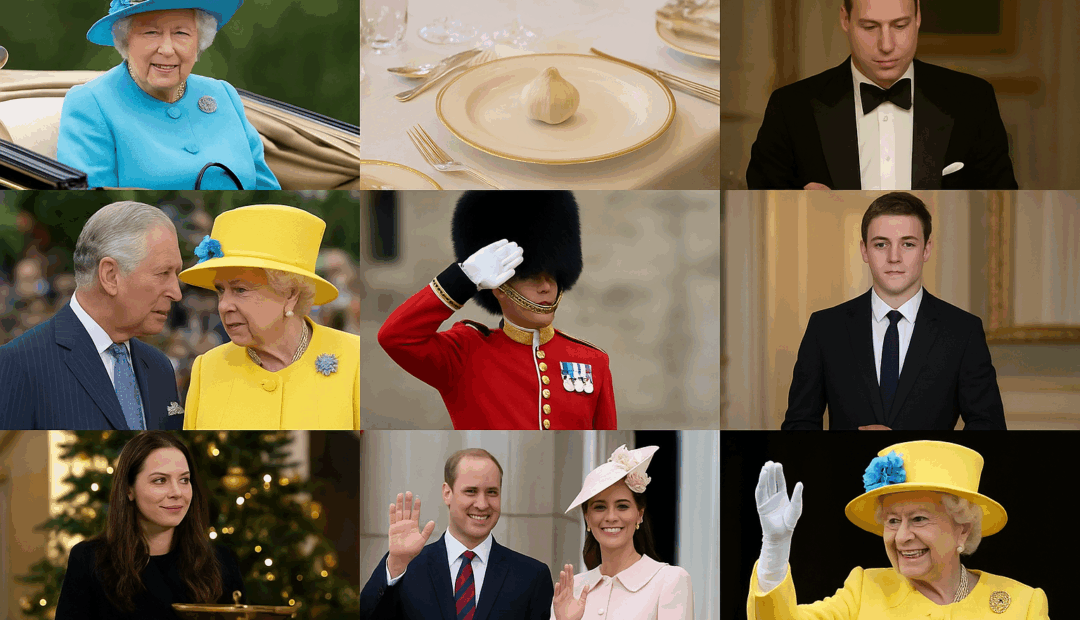
The Queen’s handbag was not simply a fashion accessory but a discreet signaling device. Through subtle movements, she communicated with her staff to manage events smoothly without saying a word. For tourists, this comes as a surprise because a simple bag controlled the pace of royal gatherings. While most handbags carry only essentials, hers carried hidden meanings that kept royal life highly organized and efficient during public appearances.
1.1 The Hidden Handbag Language
- Moving the handbag to the right arm meant she wished to end a conversation.
- Placing the bag on a table signaled that the event should conclude soon.
1.2 Why It Shocks Visitors
- Tourists are amazed by the clever use of a simple accessory.
- It shows how quiet signals shaped royal protocol without fuss.
2. Garlic Is Strictly Forbidden in Royal Menus
Many tourists are shocked to learn that garlic, one of the most common ingredients worldwide, is banned from royal cuisine. The reasoning is simple: strong odors from garlic are considered inappropriate for royals, who often interact closely with dignitaries. While everyday people enjoy garlic-rich meals, palace chefs must prepare dishes that avoid overpowering smells. For outsiders, this strict rule over such a basic ingredient feels unusual, showing how refined and controlled royal dining habits truly are.
2.1 Reasons for the Ban
- Garlic breath is seen as undignified during close royal conversations.
- The monarchy prefers subtle flavors that don’t dominate a dish.
2.2 Tourist Surprise Factor
- Visitors expect luxurious meals but find this restriction unusual.
- It demonstrates how tradition shapes even the royals’ diets.
3. Dining Etiquette: Stop When the Monarch Stops
Formal royal meals follow strict etiquette, and one rule shocks most tourists: when the monarch stops eating, everyone else must stop too. Even if a guest has not finished, they are expected to put down their cutlery immediately. This rule shows how dining is not just about food but about hierarchy and respect for the crown. For many outsiders, this seems rigid, but it’s a reminder of how discipline and tradition guide every royal occasion.
3.1 Dining Rules in Practice
- The King or Queen controls the rhythm of the entire meal.
- Guests are expected to stay alert and follow royal cues.
3.2 Tourist Reactions
- Many feel pressured by such strict etiquette.
- It’s a reminder that royal meals are about ceremony, not comfort.
4. Two Birthdays for the Monarch
One of the most puzzling royal customs is that the monarch has two birthdays: the actual date of birth and an official celebration in summer. The official birthday is marked by Trooping the Colour, a grand parade admired worldwide. For tourists, the idea of celebrating twice feels extraordinary, almost like a royal privilege that separates monarchs from ordinary citizens. This tradition began centuries ago to ensure the monarch’s birthday could be celebrated in pleasant weather.
4.1 The Practical Reason
- The official celebration is set in summer for better conditions.
- It allows public festivities with parades and ceremonies.
4.2 Tourist Perspective
- Visitors often envy the idea of two birthdays.
- It highlights how royalty enjoys symbolic privileges.
5. Royals Avoid Monopoly
The Royal Family once admitted that Monopoly is banned in their household because the game gets too competitive. Tourists are both amused and surprised that even royals face family drama over a board game. While many families argue during Monopoly, it seems remarkable that such discipline is enforced in the palace. This habit reminds visitors that despite their status, royals also deal with everyday family dynamics, though with unusual solutions.
5.1 The Reason for the Ban
- Monopoly games reportedly became too “vicious.”
- To avoid conflict, it was quietly removed from family play.
5.2 Why Tourists Laugh
- It humanizes the royals, showing they face family squabbles.
- Yet, banning a game altogether feels extreme to outsiders.
6. Always Packing a Black Outfit
Royals must always travel with a black outfit, no matter the destination. This rule ensures they are prepared in case of a sudden royal death, allowing them to return dressed appropriately for mourning. Tourists often find this practice strange, as packing for grief is rarely a travel priority. But for royals, appearance and protocol must be maintained at all times, even during emergencies. This habit highlights the seriousness of royal life, where every scenario is anticipated.
6.1 The Origin of the Rule
- Stems from the Queen’s experience after her father’s sudden death.
- Ensures dignity is maintained in public during tragedy.
6.2 Tourist Surprise
- Most travelers pack for fun, not mourning.
- It shows how royal duty overrides personal freedom.
7. No Casual Touching the Royals
Tourists are often surprised to learn that casual contact—like hugging or placing a hand on the royals—is discouraged. While handshakes may be permitted, physical closeness is considered a breach of etiquette. This rule often feels distant or cold to visitors, especially in cultures where friendliness is expressed physically. However, it emphasizes the formality of monarchy and the separation between royals and the public.
7.1 Royal Protocol on Touch
- Only official greetings like handshakes are acceptable.
- Hugs or casual touches are discouraged at all times.
7.2 Tourist Reactions
- Visitors sometimes feel awkward or disappointed.
- It reinforces the mystique and distance of royal figures.
8. Christmas Weigh-In Tradition
One of the strangest royal traditions is weighing family members before and after Christmas dinner. This dates back to King Edward VII, who wanted to ensure guests were “well-fed.” To modern tourists, this ritual feels outdated and odd, especially in an era focused on health and body positivity. Still, the practice continues symbolically, highlighting the monarchy’s dedication to keeping quirky traditions alive, even if they appear unusual to outsiders.
8.1 Why It Exists
- Symbolizes generosity and abundance during Christmas feasts.
- A lighthearted reminder to enjoy royal hospitality.
8.2 Tourist Amusement
- Many visitors find it humorous and quirky.
- It feels more like a historic ritual than a serious rule.
9. The Practiced Royal Wave
The famous “royal wave” may look simple, but it is carefully practiced to appear graceful. Unlike casual waves, the royal version is a gentle twist of the wrist designed to avoid fatigue during long public appearances. Tourists are often surprised that such a small gesture is rehearsed with precision. It shows how even minor actions are managed to protect the dignity of the crown, making the royals seem elegant even in casual moments.
9.1 The Art of the Wave
- Uses a slow, controlled wrist motion instead of large gestures.
- Ensures consistency during long hours of public duty.
9.2 Why Tourists Notice It
- Visitors often try to mimic the wave playfully.
- Learning it’s a practiced skill makes it more fascinating.
FAQs About Strange British Royal Habits
Q1. Why do the royals avoid garlic in their meals?
The Royal Family avoids garlic because it leaves a strong odor on the breath, which is considered inappropriate during close conversations or diplomatic meetings. Since royals often meet world leaders, dignitaries, and guests, they must maintain a fresh and neutral presence. For tourists, this rule feels unusual but demonstrates the importance of etiquette in royal dining.
Q2. Can tourists shake hands or hug the royals?
Tourists sometimes wonder if they can hug or casually touch members of the Royal Family. In reality, royal protocol discourages casual physical contact. Handshakes may be allowed if the royal offers, but hugs, pats, or arm touches are not permitted. For many visitors, this feels strict, but it reflects the monarchy’s formality and traditions of distance and respect.
Q3. Why do monarchs celebrate two birthdays?
British monarchs celebrate both an actual and an official birthday. The official birthday is usually marked in summer with the Trooping the Colour parade, ensuring the event happens in good weather for public festivities. This tradition dates back to King George II in the 18th century. Tourists are often surprised by this unique privilege, envying the “extra celebration.”
Q4. Do royals really refuse to play Monopoly?
Yes, the Royal Family once admitted that Monopoly was discouraged because games often became too heated and competitive, causing tension. Although this seems amusing to tourists, it highlights how royals try to avoid unnecessary conflicts, even in family settings. Instead of risking arguments over property deals, Monopoly was quietly removed from their favorite games list, preserving harmony in palace life.
Q5. Why do royals always carry black clothing when traveling?
Royals are required to pack at least one black outfit whenever they travel abroad. This rule ensures they are prepared for mourning attire if a member of the Royal Family dies while they are away. The practice began after Queen Elizabeth II was caught unprepared at her father’s death. To tourists, this appears unusual but emphasizes royal discipline.
Q6. Do tourists invited to royal dinners have to follow dining rules?
Yes, guests invited to dine with the Royal Family must strictly follow royal dining etiquette. This includes placing cutlery properly, avoiding certain topics, and, most importantly, stopping when the monarch stops eating. Even tourists or dignitaries who are new to these traditions must adapt quickly. The rules ensure uniformity, respect for hierarchy, and the smooth flow of royal banquets.
Q7. Why are royals weighed before and after Christmas dinner?
This peculiar tradition dates back to King Edward VII, who insisted that guests be weighed before and after Christmas dinner to ensure they ate well and were treated generously. While today it’s more symbolic than serious, the custom continues as a nod to history. Tourists often find it quirky and outdated, yet it reflects how royals maintain even the oddest traditions.
Conclusion
The British Royal Family has fascinated the world for centuries, not only because of its grandeur but also because of its unusual customs. These strange habits—whether it’s the Queen’s handbag signals, garlic-free meals, or the famous royal wave—may seem quirky to outsiders, but they are deeply rooted in tradition and symbolism. For tourists, these practices are both surprising and enlightening, offering a rare glimpse into a lifestyle guided by strict etiquette and history.
For many visitors, the shock comes not from the royal palaces or ceremonies, but from the tiny details that govern everyday royal life. These customs remind us that monarchy is more than titles and crowns—it is a living institution built on ritual and heritage. Whether amusing or astonishing, these nine strange habits prove that the British Royal Family continues to capture global curiosity with its unique blend of tradition and mystery.