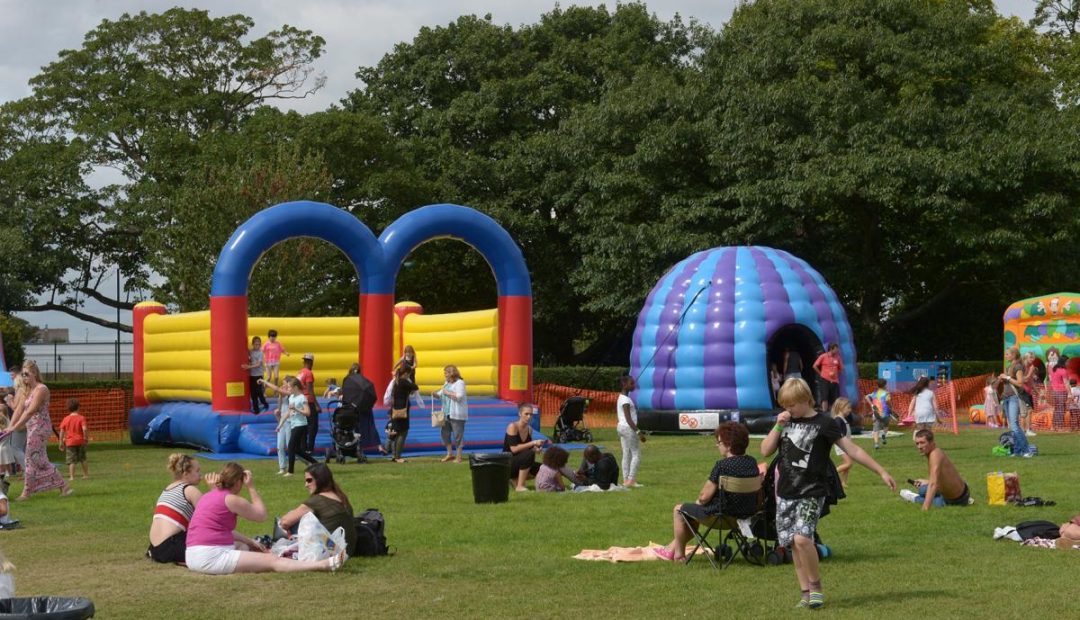
England is a land of festivals—music, food, heritage, and cultural events that attract millions of visitors each year. From Glastonbury’s legendary stages to traditional May Day dances and the dazzling Notting Hill Carnival, this guide highlights England’s diverse celebrations, blending history, creativity, and community spirit into unforgettable experiences.
Introduction
Festivals in England serve as living traditions that bring together people, communities, and global audiences. They are an essential part of cultural life, offering something unique in every season. Whether you want to witness history, taste authentic food, or enjoy world-class performances, England has a festival to match your interests.
From literary towns like Hay-on-Wye to seaside celebrations in Dorset and multicultural parades in London, England’s cultural landscape is unmatched. Each festival has its own identity and story. This guide explores the most important celebrations, providing insights, facts, and tips to help you experience them to the fullest.
Music Festivals: The Pulse of Modern England
England’s music festivals are world-renowned, offering everything from rock and pop to classical and electronic. They attract global audiences while supporting local talent. Each event creates a unique cultural atmosphere, often blending music with art, theatre, and activism, reinforcing England’s status as a global leader in live entertainment.
- Glastonbury Festival (Somerset):
- World’s largest greenfield festival with over 200,000 visitors.
- Stages cover diverse genres from rock to world music.
- Features theatre, circus, political debates, and sustainability initiatives.
- Charitable contributions support Oxfam, Greenpeace, and WaterAid.
- Reading and Leeds Festivals:
- Twin festivals held simultaneously in August.
- Originated as rock and alternative music celebrations.
- Now include hip-hop, electronic, and emerging talent.
- BBC Proms (London):
- Eight-week-long classical music season.
- Includes chamber concerts, family events, and live screenings.
- Concludes with the iconic “Last Night of the Proms.”
Did You Know? The first Glastonbury ticket in 1970 cost just £1 and included free milk from the farm.
Literary Festivals: Celebrating England’s Literary Heritage
England’s literary festivals highlight the country’s global impact on literature and thought. They attract readers, writers, academics, and world leaders, creating spaces for dialogue and creativity. These events combine lectures, debates, and performances, honouring England’s legacy of storytelling while nurturing new voices and critical discussions in vibrant cultural settings.
- Hay Festival (Hay-on-Wye):
- Brings together authors, philosophers, and politicians.
- Known as the “Woodstock of the Mind.”
- Encourages cultural debate and creativity.
- Cheltenham Literature Festival:
- Founded in 1949, world’s oldest literary festival.
- Features over 600 speakers annually.
- Hosts Nobel laureates and bestselling authors.
- Shakespeare Celebrations (Stratford-upon-Avon):
- Annual festival marking Shakespeare’s birthday.
- Includes processions, performances, and tributes.
- Attracts international theatre enthusiasts.
Fact: Hay-on-Wye has more second-hand bookshops per capita than anywhere in the world.
Food and Drink Festivals: A Culinary Journey
England’s food festivals celebrate the nation’s evolving cuisine and regional specialities. From seafood in Dorset to real ales in London and artisanal delights in Ludlow, these events are gastronomic showcases. They connect visitors with local producers, highlight sustainable practices, and reflect England’s transformation into a thriving culinary destination.
- Ludlow Food Festival:
- UK’s first food festival (1995).
- Promotes Shropshire produce and heritage recipes.
- Features tastings, chef demonstrations, and cook-offs.
- Dorset Seafood Festival:
- Celebrates Weymouth’s fishing traditions.
- Offers local oysters, lobsters, and sustainable seafood.
- Raises awareness of marine conservation.
- Great British Beer Festival (London):
- Organised by CAMRA.
- Features 900+ ales, ciders, and craft beers.
- Includes “Champion Beer of Britain” awards.
Did You Know? Ludlow was once considered the “food capital of Britain” due to its concentration of Michelin-starred restaurants.
Historical and Heritage Festivals: England’s Living History
Historical festivals in England vividly recreate the past, allowing visitors to step into Viking villages, medieval camps, and battlefields. These immersive celebrations include reenactments, costumes, and demonstrations. They educate audiences while entertaining, preserving traditions and stories that shaped England’s identity, attracting history enthusiasts from across the globe every year.
- Jorvik Viking Festival (York):
- Largest Viking festival in Europe.
- Warrior parades, markets, and craft displays.
- Celebrates York’s Viking heritage.
- Battle of Hastings Reenactment (East Sussex):
- Takes place on the 1066 battlefield.
- Features thousands of reenactors.
- Includes medieval encampments and tournaments.
- Tewkesbury Medieval Festival:
- Celebrates the 1471 Battle of Tewkesbury.
- Includes jousting, falconry, and medieval markets.
Fact: Over 40,000 people attend the annual Battle of Hastings reenactment.
Theatre and Performing Arts Festivals: Celebrating the Stage
Theatre and performance festivals in England blend tradition with innovation. From Shakespeare at the Globe to cutting-edge productions at Manchester International Festival, these events showcase drama, dance, comedy, and experimental arts. They offer platforms for both established and emerging artists, keeping England at the forefront of global performing arts.
- Manchester International Festival:
- Biennial arts showcase premiering original work.
- Features global collaborations and experimental projects.
- Brighton Fringe:
- England’s largest open-access arts festival.
- Includes comedy, cabaret, theatre, and new talent.
- Shakespeare’s Globe Theatre Season (London):
- Open-air plays in an authentic setting.
- Offers affordable standing tickets for visitors.
Did You Know? The Globe Theatre attracts over 1 million visitors every year.
Arts and Cultural Festivals: Visual Creativity
England’s arts festivals highlight creativity across visual arts, design, and contemporary expression. Events like Brighton Festival and Frieze London bring together international artists and collectors. These celebrations of imagination foster innovation, showcase heritage crafts, and strengthen England’s global role as a cultural hub for modern and traditional artistry.
- Brighton Festival:
- UK’s largest annual arts festival.
- Showcases global performers and exhibitions.
- Features Guest Directors who curate yearly themes.
- Frieze London (Art Fair):
- Held in Regent’s Park.
- Over 160 international galleries represented.
- Attracts curators, collectors, and art investors.
Fact: Frieze London attracts over 60,000 visitors every year.
Multicultural and Community Festivals: Celebrating Diversity
England’s multicultural events celebrate its global communities. From Caribbean rhythms at Notting Hill Carnival to Indian lights at Trafalgar Square and dragon dances during Chinese New Year, these festivals reflect diversity and inclusivity. They strengthen social cohesion, promote cultural pride, and create unforgettable shared experiences in vibrant urban settings.
- Notting Hill Carnival (London):
- Europe’s largest street carnival.
- Celebrates Caribbean culture with parades, steel bands, and food.
- Diwali in Trafalgar Square:
- Europe’s biggest outdoor Diwali celebration.
- Features Bollywood dance, Indian cuisine, and fireworks.
- Chinese New Year (London’s Chinatown):
- Dragon parades and martial arts shows.
- Cultural workshops and food festivals.
Did You Know? Notting Hill Carnival began in 1966 as a response to racial tensions.
Seasonal and Folk Traditions: Keeping Heritage Alive
Folk traditions in England have survived for centuries. Seasonal celebrations like May Day with maypole dances, Harvest Festivals in churches, and Bonfire Night fireworks on November 5th remain part of English life. These events maintain cultural identity, foster community spirit, and link modern audiences with historic customs and beliefs.
- May Day Festivals:
- Maypole dances and Morris performances.
- Celebrate spring and fertility.
- Harvest Festivals:
- Donations to charities and food banks.
- Church services honouring harvest traditions.
- Bonfire Night (Guy Fawkes Night):
- Celebrated on 5th November.
- Fireworks and effigy burning mark the Gunpowder Plot.
Fact: Bonfire Night has been celebrated since 1605, making it one of England’s oldest traditions.
FAQs
1. What is England’s most famous festival?
England’s most famous festival is Glastonbury, known worldwide for its music, culture, and activism. With over 200,000 visitors annually, it brings together legendary acts and new talent across multiple genres. It is a cultural phenomenon, blending art, theatre, and sustainability into one of the world’s most iconic events.
2. Are England’s festivals family-friendly?
Yes, many festivals are designed for families. The Jorvik Viking Festival offers children’s workshops, Ludlow Food Festival has interactive tastings, and Hay Festival includes storytelling sessions. These events ensure safe, engaging experiences for all ages, making them excellent opportunities for cultural learning while also being enjoyable days out together.
3. When should I book tickets for major festivals?
Booking early is essential. Glastonbury and Reading sell out within minutes of release, requiring advance registration. Smaller festivals may provide early-bird discounts or flexible day passes. Planning ahead ensures entry, affordable pricing, and access to the best accommodation options near festival sites during peak seasons.
4. What are the top food festivals to visit?
Ludlow Food Festival, Dorset Seafood Festival, and the Great British Beer Festival are highlights. These events feature regional produce, demonstrations from top chefs, and tastings that showcase both traditional English dishes and innovative culinary trends. They offer immersive experiences that food lovers and tourists will find unforgettable.
5. Can tourists join England’s folk traditions?
Tourists are welcome to participate in folk traditions like May Day festivals or Harvest celebrations. Many communities invite visitors to join parades, dances, or local ceremonies. These experiences offer authentic cultural immersion, connecting travellers with England’s heritage and giving them unique opportunities to celebrate alongside locals.
6. Are multicultural festivals in England free?
Most multicultural festivals, such as Notting Hill Carnival, Diwali at Trafalgar Square, and Chinese New Year in London, are free to attend. Open-air celebrations encourage inclusivity and public participation, ensuring people from all backgrounds can experience diverse traditions, music, food, and performances without financial barriers or restrictions.
7. Why are England’s festivals culturally significant?
Festivals preserve heritage, promote creativity, and celebrate diversity. They boost tourism, support local economies, and create opportunities for artistic expression. Beyond entertainment, they strengthen communities, educate visitors, and contribute to England’s cultural identity. By attending, participants experience both tradition and innovation in environments that unite people across backgrounds.
Final Words
England’s festivals embody its culture, history, and diversity. They bring together communities, showcase creativity, and invite the world to experience English traditions. From Glastonbury’s stages to Diwali’s lights, each event offers unique insights into the nation’s character.
By attending, visitors not only enjoy unforgettable moments but also become part of stories that continue to shape England’s cultural identity. These festivals ensure England remains a vibrant hub of creativity, heritage, and community spirit for generations to come.