England is a land of discovery. Beyond London’s bustling streets lie centuries-old towns, dramatic coastlines, and lush countryside, each with its own story. From ancient stone circles to iconic literary towns and charming seaside escapes, these 20 day trips take you on a journey across the country’s diverse landscapes, culture, and history. Perfect for history buffs, nature lovers, and travelers craving authentic English experiences.
Introduction
England is a country of contrasts. While London brims with iconic landmarks, theatre, and modern vibrancy, the rest of the country offers timeless beauty. Rolling hills, medieval towns, serene rivers, and rugged coastlines provide a captivating backdrop for exploration. Each region has a story—whether it’s ancient history, literary heritage, or coastal folklore.
Day trips are the ideal way to experience this diversity. Many destinations are just a few hours from London, accessible by train, bus, or car. Whether it’s wandering cobbled streets, hiking national parks, exploring castles, or enjoying seaside towns, England offers something for every traveler. Let’s embark on 20 unforgettable day trips from London to Cornwall, combining history, culture, and breathtaking scenery.
1. The Enigmatic Stones of Stonehenge and the Medieval Charm of Salisbury
Few sites capture the imagination like Stonehenge, a prehistoric monument of massive standing stones on Salisbury Plain. Dating back over 4,500 years, its purpose remains a mystery—astronomical observatory, ritual site, or ceremonial gathering place. The perfectly aligned stones create an awe-inspiring experience, particularly at sunrise or sunset.
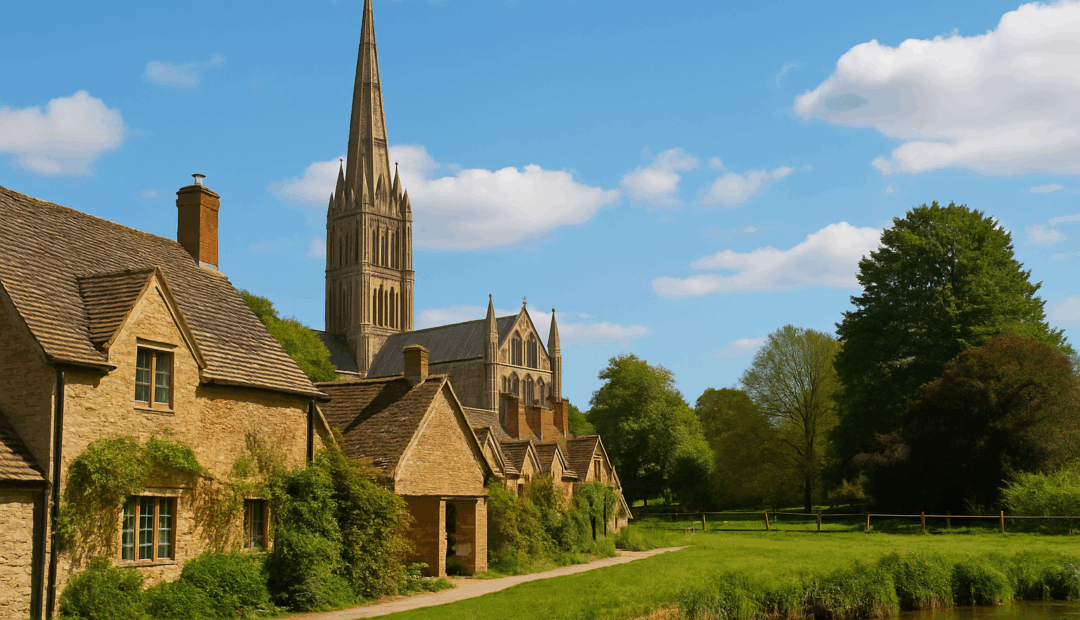
Just 10 miles away, Salisbury offers a medieval cityscape. The Salisbury Cathedral is an architectural masterpiece with the tallest spire in England and houses one of the surviving original copies of the Magna Carta. Visitors can stroll along cobbled streets, discover quaint shops, and enjoy traditional English pubs.
Travel Tips: Arrive early at Stonehenge for quiet views and avoid weekends. Salisbury is best explored on foot to fully appreciate its historic charm.
Fun Fact: Archaeologists have discovered that some of Stonehenge’s stones were transported over 150 miles from Wales, showcasing incredible ancient engineering.
2. Bath: Roman History, Georgian Elegance, and Thermal Springs
Bath is one of England’s most picturesque cities, famous for its Roman baths and Georgian architecture. The city’s thermal waters have attracted visitors for thousands of years. Touring the Roman Baths offers insights into ancient Roman engineering, rituals, and bathing culture.
The city’s streets are lined with elegant crescents and terraces, including the Royal Crescent, a sweeping example of Georgian architecture. Don’t miss Bath Abbey, an impressive Gothic cathedral in the city center. For relaxation, visitors can enjoy the Thermae Bath Spa, a modern spa fed by the same thermal waters.
Travel Tips: Spend at least half a day in Bath to explore both the Roman and Georgian landmarks. Afternoon tea at one of the city’s historic cafes is a must.
Did You Know? Bath became a UNESCO World Heritage Site due to its Roman remains and 18th-century architecture, making it one of England’s most historically significant cities.
3. Oxford: Walk Through the City of Dreaming Spires
Oxford is not just a university city—it’s a journey into centuries of academic excellence and historic architecture. Known as the City of Dreaming Spires, Oxford is famous for its stunning college buildings, ancient libraries, and serene courtyards.
Visitors can explore Christ Church College, which inspired Lewis Carroll’s Alice in Wonderland and served as a filming location for Harry Potter. The Bodleian Library, one of Europe’s oldest, houses priceless manuscripts. Punting along the River Cherwell provides a peaceful view of the city from the water.
Travel Tips: Guided walking tours are excellent for understanding Oxford’s history. Visiting early avoids crowds and allows better photography of the historic colleges.
Fun Fact: Oxford has produced 28 British Prime Ministers and over 50 Nobel Prize winners, cementing its reputation as a global academic hub.
4. Cambridge: Riverside Beauty and Timeless Academia
Cambridge is a riverside city where history, academia, and scenic charm meet. The city is famous for its university, with colleges dating back centuries. Punting along the River Cam allows visitors to admire college facades from the water, a uniquely peaceful experience.
Cultural highlights include the Fitzwilliam Museum, featuring art, antiquities, and manuscripts, and King’s College Chapel, renowned for its Gothic architecture and spectacular choir performances. Cambridge also offers cozy cafes, traditional markets, and boutique shopping for a relaxed day trip.
Travel Tips: Take a walking tour to appreciate hidden gardens, cloisters, and historic passageways often missed by first-time visitors.
Did You Know? Cambridge University has produced more Nobel Prize winners than any other institution in the UK, reflecting centuries of academic excellence.
5. Windsor: A Royal Day Out
Windsor is synonymous with royalty. Windsor Castle, the largest inhabited castle in the world, has been home to British monarchs for nearly 1,000 years. The castle’s State Apartments, St George’s Chapel, and royal ceremonies offer a glimpse into England’s regal history.
The surrounding town is equally charming, with cobbled streets, independent shops, and Windsor Great Park, ideal for a relaxing stroll. Visitors can also stop at Eton College, a prestigious school attended by British royalty and world leaders.
Travel Tips: Check the castle’s schedule for changing of the guard or special exhibitions to enhance your visit.
Fun Fact: Windsor Castle hosts official royal events, including state banquets, investitures, and annual Easter celebrations.
6. Canterbury: Pilgrimage and Medieval Streets
Canterbury is one of England’s most historically rich cities, known for its medieval streets and Canterbury Cathedral, a UNESCO World Heritage Site. Pilgrims have visited for centuries, inspired by the martyrdom of Thomas Becket in 1170.
The city’s cobbled streets are dotted with historic inns, cafes, and small museums. Visitors can also explore the city walls and the Canterbury Tales attraction, which brings medieval stories to life through interactive displays.
Travel Tips: Wear comfortable shoes to explore narrow streets and hidden alleys. Early morning visits allow a quieter experience at the cathedral.
Fun Fact: Canterbury’s religious significance made it a major pilgrimage site during the Middle Ages, inspiring literary works like Chaucer’s Canterbury Tales.
7. The Cotswolds: England’s Idyllic Countryside
The Cotswolds are the epitome of rural English charm, with rolling hills, honey-colored cottages, and traditional villages. Popular destinations include Bourton-on-the-Water, Bibury, and Stow-on-the-Wold, each offering scenic streets, artisan shops, and tea rooms.
The area is perfect for walking, cycling, and exploring historical sites such as manor houses and ancient churches. Visitors can enjoy traditional English cuisine at countryside pubs or participate in seasonal local festivals.
Travel Tips: Spend the day hopping between villages to fully appreciate the architecture, landscape, and local culture.
Did You Know? The Cotswolds span six counties and are protected as an Area of Outstanding Natural Beauty (AONB).
8. Brighton: England’s Vibrant Seaside Playground
Brighton is a seaside city bursting with energy, culture, and history. Its famous Brighton Pier is iconic, offering amusement rides, traditional fish-and-chip stalls, and scenic views of the English Channel. Beyond the pier, The Lanes are a maze of narrow streets filled with boutique shops, antique stores, and cafes that showcase Brighton’s eclectic charm.
The Royal Pavilion, an extravagant palace with Indo-Saracenic architecture, reflects Brighton’s royal connections. Visitors can enjoy the beach, local seafood, and seasonal festivals, making it ideal for families, couples, and solo travelers alike.
Travel Tips: Summer is the best time for beach activities, while spring or autumn provides a quieter, more relaxed visit.
Did You Know? Brighton became a popular seaside resort in the 18th century, attracting royalty and artists, a legacy still visible today.
9. Stratford-upon-Avon: Walk in Shakespeare’s Footsteps
Stratford-upon-Avon is synonymous with William Shakespeare. The town preserves the charm of Tudor England with its timber-framed houses, cobbled streets, and the Royal Shakespeare Theatre, where visitors can enjoy live performances of Shakespeare’s plays.
Touring Shakespeare’s Birthplace and Anne Hathaway’s Cottage provides insight into the playwright’s life. The riverside walks along the Avon offer a peaceful contrast to the bustling town center, making Stratford-upon-Avon both cultural and scenic.
Travel Tips: Book theatre tickets in advance to secure prime seating and consider guided walking tours for historical context.
Fun Fact: The town attracts hundreds of thousands of visitors each year who come to celebrate Shakespeare’s literary legacy.
10. York: A Historic Journey Through Time
York is a city steeped in history, blending Roman, Viking, and medieval heritage. York Minster is one of the largest Gothic cathedrals in Europe, renowned for its stained glass windows and intricate architecture. The medieval street The Shambles features timber-framed shops, cafes, and boutiques, offering a glimpse of 14th-century life.
Walking along York’s city walls provides panoramic views of the city, while attractions like the Jorvik Viking Centre showcase its Norse past. York is ideal for history lovers and those seeking a mix of cultural experiences.
Travel Tips: Wear comfortable shoes, as exploring the cobbled streets and walls requires walking.
Did You Know? York was founded as Eboracum by the Romans in 71 AD and later became an important Viking trading hub.
11. Lake District: England’s Scenic Heartland
The Lake District is a haven for nature lovers. With serene lakes, rugged mountains, and quaint villages, it has inspired poets and artists for centuries. Lake Windermere offers boating and water sports, while towns like Keswick and Grasmere provide shopping, cafes, and cultural sites.
Visitors can hike popular trails such as Catbells or Helvellyn, or visit Hill Top, the former home of Beatrix Potter. The region is ideal for families, solo travelers, and outdoor enthusiasts.
Travel Tips: Start early for full-day hikes, and consider boat tours to see the lakes from a unique perspective.
Fun Fact: The Lake District is a UNESCO World Heritage Site due to its cultural and natural significance.
12. Cornwall: Coastal Cliffs and Artistic Villages
Cornwall is famous for its rugged coastline, golden beaches, and artistic communities. St Ives is renowned for galleries, including the Tate St Ives, while Land’s End offers dramatic coastal vistas. The region is also famous for its culinary delights, including Cornish pasties and cream teas.
Visitors can explore fishing villages, coastal walking trails, and historic tin mines. Cornwall combines natural beauty, cultural richness, and culinary experiences for a complete day trip.
Travel Tips: Coastal weather can change quickly, so bring layers and waterproofs.
Did You Know? Cornwall has a rich Celtic heritage, and the Cornish language is still celebrated in festivals and signage.
13. Dorset: Walk the Jurassic Coast
The Jurassic Coast in Dorset is a UNESCO World Heritage Site stretching 95 miles. It’s famous for fossils, geological formations, and scenic beaches. Durdle Door and Lulworth Cove are iconic natural landmarks. Fossil hunting and coastal walks provide both adventure and education.
The area also features charming towns like Lyme Regis, known for its historic harbor and fossil museum. Dorset is perfect for nature lovers, history enthusiasts, and families.
Travel Tips: Morning visits are ideal for fossil hunting and photography, avoiding midday crowds.
Fun Fact: The Jurassic Coast reveals 185 million years of geological history along its cliffs.
14. Devon: Coastal Beauty and Dartmoor Adventures
Devon offers a perfect mix of coastline and countryside. Dartmoor National Park features granite tors, wild ponies, and walking trails. Coastal towns like Torquay offer sandy beaches, seafood, and charming promenades. The historic city of Exeter showcases medieval architecture and Roman history.
Devon is ideal for hiking, beach days, or exploring cultural landmarks. Visitors can also enjoy local cream teas and traditional pubs.
Travel Tips: Renting a car is recommended for flexibility in exploring rural areas and hidden coves.
Did You Know? Dartmoor has been inhabited for thousands of years, with archaeological remains including stone circles and ancient settlements.
15. Ely: The Historic “City of a Thousand Years”
Ely, a small city in Cambridgeshire, is dominated by Ely Cathedral, a stunning example of Norman and Gothic architecture. Known as the “City of a Thousand Years,” Ely has a rich ecclesiastical history and beautiful riverside walks.
Visitors can enjoy small museums, charming cafes, and explore the quaint city center. Ely offers a peaceful retreat from larger cities and a glimpse into England’s religious and cultural heritage.
Travel Tips: Ely is best explored on foot; the cathedral offers guided tours for deeper insights.
Fun Fact: Ely’s cathedral has one of the largest octagonal towers in the world, known as the Octagon Tower.
16. Liverpool: Maritime History and Musical Legends
Liverpool is known for its maritime heritage, music history, and vibrant arts scene. Albert Dock houses museums, galleries, and restaurants, while The Beatles Story museum celebrates the city’s iconic music history. Liverpool Cathedral is an architectural masterpiece with panoramic views from the tower.
The city offers a mix of history, culture, and contemporary attractions, making it an ideal day trip for families, solo travelers, and music enthusiasts.
Travel Tips: A walking tour of the city center and waterfront provides the best overview of Liverpool’s heritage.
Did You Know? Liverpool was a major port city and played a key role in Britain’s maritime trade for centuries.
17. Manchester: Industrial Heritage Meets Modern Culture
Manchester blends industrial history with a vibrant arts and music scene. The city is home to museums like Museum of Science and Industry, historic architecture, and the Northern Quarter, known for street art, boutiques, and cafes.
Football fans can visit Old Trafford, home of Manchester United, or explore the Etihad Stadium. Manchester’s mix of culture, history, and entertainment ensures a fulfilling day trip.
Travel Tips: Public transport and walking are convenient ways to explore the city center.
Fun Fact: Manchester was the world’s first industrial city and played a key role in the Industrial Revolution.
18. Newcastle upon Tyne: Quayside Charms and Historic Heritage
Newcastle is a city of history, culture, and nightlife. The Quayside is perfect for riverside walks, while Newcastle Castle and Grey Street showcase historic architecture. The city also features art galleries, museums, and modern entertainment venues.
Newcastle is lively, welcoming, and ideal for travelers looking to combine history with urban vibrancy.
Travel Tips: Don’t miss crossing the iconic Tyne Bridge for classic views of the city.
19. Peak District: Hills, Villages, and Historic Estates
The Peak District offers rolling hills, scenic villages, and historic estates. Visitors can hike Mam Tor, explore Chatsworth House, and stroll through picturesque towns like Bakewell.
The area is perfect for hiking, photography, and exploring local culture. Seasonal events, farmers’ markets, and country pubs add to the experience.
Travel Tips: Wear walking shoes and dress in layers; weather can change rapidly in the hills.
Fun Fact: The Peak District was the first national park established in the UK in 1951.
20. Cambridge Fens: Nature and Tranquility
The Cambridge Fens are flatlands ideal for cycling, birdwatching, and peaceful walks. Paired with Ely for historical exploration, visitors can enjoy a combination of natural and cultural experiences. The Fenlands are also known for wildlife, canals, and small market towns.
Travel Tips: Bring binoculars for birdwatching and a camera to capture the scenic landscapes.
Did You Know? The Fens were historically marshlands, drained over centuries for agriculture, creating one of England’s most fertile regions.
Frequently Asked Questions
1. How do I plan day trips efficiently in England?
Plan destinations within 2–3 hours from your base, preferably with good transport connections. Book tickets online for popular attractions to avoid queues. Early departures maximize sightseeing time, especially for countryside or coastal locations. Combining nearby destinations can also help you experience more in a single day.
2. Are these day trips suitable for families?
Yes. Many destinations like Brighton, Lake District, and Cornwall have family-friendly attractions. Museums, interactive exhibits, walking trails, and beaches ensure that adults and children can enjoy the trip together. Local cafes and picnic spots make day trips convenient for families.
3. Can I visit all these trips from London?
Most trips like Bath, Oxford, Cambridge, and Windsor are easily accessible via train or car. Longer trips like Cornwall, Lake District, and Peak District may require early departures but are feasible as full-day excursions.
4. What is the best season for these trips?
Spring and summer provide pleasant weather and longer daylight for outdoor activities. Autumn offers stunning foliage, while winter is quieter but some attractions may have limited opening hours. Coastal trips are best in summer for beach activities.
5. How can I explore rural destinations effectively?
Renting a car provides flexibility for rural areas like the Cotswolds, Peak District, and Cornwall. Public transport is available but less frequent. Guided tours or local taxis can complement travel for convenience and deeper insights.
6. Are these destinations safe for solo travelers?
Yes. England is generally safe, with friendly locals. Cities and countryside destinations offer accommodations, guided tours, and walking paths suitable for solo travelers. Cultural attractions and national parks provide enriching and secure experiences.
7. Can I combine multiple destinations in a single day trip?
Yes, you can combine multiple destinations in a single day trip, but careful planning is essential. Consider the distance between locations, travel time, and the activities you want to do at each stop. Prioritize key attractions and allow some flexibility for unexpected delays or discoveries. Using a map and planning an efficient route ensures you can enjoy more sights without feeling rushed, making your day trip both enjoyable and memorable.
Conclusion
England is a country where history, culture, and natural beauty coexist seamlessly. From medieval cities and academic hubs to rugged coastlines and serene countryside, these 20 day trips showcase the diversity and richness of the country. Each destination offers unique insights into England’s past, present, and scenic charm.
With careful planning, travelers can experience a remarkable range of attractions in just a single day. Whether you’re exploring from London or venturing into Cornwall, these trips promise unforgettable memories, breathtaking landscapes, and immersive cultural experiences that will stay with you long after the journey ends.