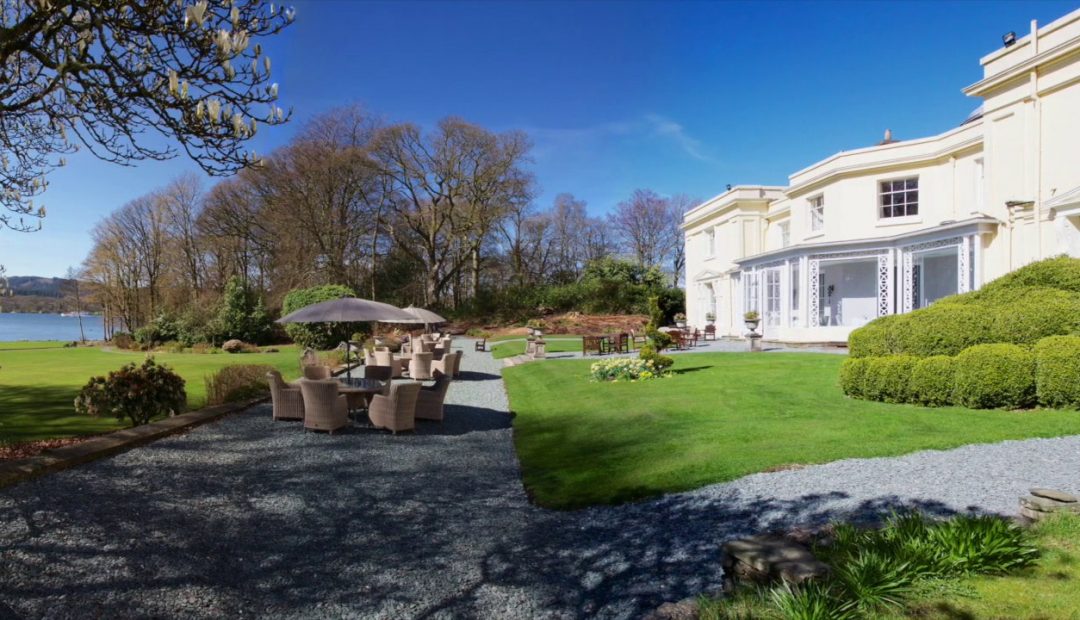
Imagine walking down cobbled lanes lined with honey-coloured cottages, crossing stone bridges that span gentle brooks, and breathing in crisp country air as golden light paints rolling hills. England’s countryside villages are not just destinations—they are living time capsules that tell stories of medieval trades, poets, fishermen, and timeless beauty. Let’s journey through twelve of the most stunning villages across England, where history, charm, and peace intertwine beautifully.
Introduction
England’s charm lies not only in its grand cities and royal heritage but in its villages—those peaceful, timeless pockets of countryside that preserve the essence of a slower, more meaningful life. Beyond the bustle of London and the historic cities of York, Bath, or Oxford, you’ll find narrow lanes, ancient churches, stone cottages, and locals who greet you with a smile. Here, you rediscover stillness, the rhythm of nature, and a lifestyle that feels untouched by time.
From the misty hills of the Lake District to the honey-hued stone cottages of the Cotswolds, every English village tells a story. Some were home to poets like Wordsworth; others thrived on medieval wool trades or fishing along rugged coasts. Visiting these villages is not just a sightseeing trip—it’s a deep dive into English history, rural craftsmanship, and the soul of the countryside.
In this journey, we’ll explore twelve extraordinary villages—each unique in beauty, culture, and atmosphere. Whether you’re seeking fairytale charm, scenic walks, local traditions, or cozy fireside pubs, these English gems offer it all.
1. Bibury, Gloucestershire (The Cotswolds)
What Makes It Special
Bibury, often hailed as “the prettiest village in England,” epitomizes Cotswold beauty. The world-famous Arlington Row, built in the 14th century, showcases traditional stone cottages that seem to belong to another era. The River Coln winds peacefully through the heart of the village, and every corner looks like a painting come to life.
What to See & Do
- Stroll along Arlington Row for breathtaking photographs, especially at sunrise or sunset.
- Walk beside the River Coln, watching ducks drift by gentle ripples.
- Visit Bibury Trout Farm, one of the oldest in the country.
- Explore St. Mary’s Church, dating back to Saxon times.
- Wander scenic meadows in spring when wildflowers bloom abundantly.
Where to Stay / Eat
- Stay in quaint stone cottages or family-run B&Bs for a cozy experience.
- Try local pubs offering seasonal dishes and regional ales.
- Sample fresh trout dishes at the local inn or tearoom.
Tips
- Visit early in the day to avoid crowds.
- Wear comfortable shoes—perfect for riverside and meadow walks.
- Bring a camera—Bibury is endlessly photogenic.
2. Castle Combe, Wiltshire
What Makes It Special
Castle Combe is often referred to as the “jewel of the Cotswolds.” Nestled in a peaceful valley, it looks as though time stopped in the 17th century. No modern buildings intrude on its perfection—stone cottages, ivy-covered walls, and cobbled streets maintain a picture-book charm that makes it a favourite among filmmakers.
What to See & Do
- Explore the Market Cross in the heart of the village.
- Visit the Church of St. Andrew, home to one of the oldest working clocks in England.
- Walk along the By Brook river for tranquil scenery.
- Hike the Cotswold Way, which passes nearby.
Where to Stay / Eat
- Stay at historic inns like those dating back centuries.
- Enjoy traditional Sunday roasts, meat pies, and cask ales in cozy pubs.
- Try afternoon tea in a tearoom with views of the village square.
Tips
- Visit midweek for fewer tourists.
- The village is compact—perfect for slow exploration.
- Carry cash—some small shops don’t take cards.
3. Grasmere, Cumbria (Lake District)
What Makes It Special
Set amidst mountains and lakes, Grasmere is synonymous with poetry and tranquillity. It was home to William Wordsworth, who described it as “the loveliest spot that man hath ever found.” Surrounded by the beauty of the Lake District National Park, it’s a paradise for walkers, dreamers, and nature lovers.
What to See & Do
- Visit Dove Cottage, Wordsworth’s former home, and the Wordsworth Museum.
- Walk the circular trail around Grasmere Lake for panoramic views.
- Try the legendary Grasmere Gingerbread, baked to a secret 19th-century recipe.
- Explore quaint shops selling local crafts and artwork.
Where to Stay / Eat
- Stay in lakeside inns or cozy cottages with open fires.
- Enjoy locally sourced cuisine—lamb, trout, and hearty stews.
- Visit tearooms for scones and tea with scenic views.
Tips
- Carry a raincoat—the Lake District weather changes quickly.
- Combine Grasmere with a visit to nearby Ambleside or Rydal Water.
- The best photo spots are at Grasmere Lake’s southern shore.
4. Lavenham, Suffolk
What Makes It Special
Lavenham is a perfectly preserved medieval village with timber-framed houses and crooked façades that look straight out of a fairy tale. Once one of England’s wealthiest wool towns, it retains stunning architecture and a unique character.
What to See & Do
- Wander Water Street and Lady Street, filled with colorful, leaning houses.
- Visit Lavenham Guildhall, now a National Trust museum.
- Explore St. Peter and St. Paul’s Church, a Gothic masterpiece.
- Browse antique shops and local art galleries.
Where to Stay / Eat
- Stay in historic coaching inns with exposed beams.
- Enjoy farm-to-table dining and Suffolk ales.
- Try cream teas in charming tearooms.
Tips
- Visit in autumn when the half-timbered houses contrast beautifully with golden leaves.
- Wear flat shoes—the cobbles can be uneven.
- Combine with nearby Long Melford for more history.
5. Bourton-on-the-Water, Gloucestershire
What Makes It Special
Known as the “Venice of the Cotswolds,” Bourton-on-the-Water is defined by its shallow river, low stone bridges, and charming riverside lawns. It’s both lively and serene, attracting visitors with its postcard-perfect views and family-friendly attractions.
What to See & Do
- Visit the Model Village, a perfect miniature replica of Bourton itself.
- Explore Birdland Park & Gardens to see exotic birds and penguins.
- Walk along the River Windrush, crossing its picturesque bridges.
- Shop for local crafts and antiques.
Where to Stay / Eat
- Stay in riverside inns or cottages with easy access to the main village.
- Dine in cafés overlooking the river, ideal for people-watching.
- Try local honey, cheeses, and baked treats.
Tips
- Arrive early on weekends—this village gets busy.
- Bring a picnic for riverside relaxation.
- Parking fills up quickly—use the village car park.
6. Stanton, Gloucestershire
What Makes It Special
Stanton is one of the most unspoiled villages in the northern Cotswolds. Its golden cottages, thatched roofs, and flower-filled gardens create a tranquil escape from tourist crowds. Surrounded by rolling hills, it’s perfect for walking and quiet reflection.
What to See & Do
- Wander through High Street, admiring historic cottages.
- Visit St. Michael’s Church, dating to Norman times.
- Walk the Cotswold Way Trail, which passes through the village.
- Enjoy panoramic views from Stanton Hill.
Where to Stay / Eat
- Stay in country cottages or boutique inns.
- Have lunch at a traditional pub with garden seating.
- Try local cider and regional cheeses.
Tips
- Ideal for travellers seeking peace over popularity.
- Bring walking boots—the trails are excellent.
- Perfect for sunset photography with soft golden light.
7. Rye, East Sussex
What Makes It Special
Rye is a medieval hilltop village with cobbled lanes, half-timbered houses, and views stretching to the sea. Once a vital port, it’s now a haven for artists, writers, and history enthusiasts. Its narrow streets are among the most photographed in England.
What to See & Do
- Walk down Mermaid Street, famous for its cobbles and crooked houses.
- Visit Ypres Tower and Rye Castle Museum.
- Climb St. Mary’s Church Tower for sweeping views.
- Explore antique shops and local bookshops.
Where to Stay / Eat
- Stay in historic inns with fireplaces.
- Try fresh seafood and homemade pies.
- Enjoy cream teas at cafés overlooking the marshes.
Tips
- Combine Rye with a coastal walk to Camber Sands.
- Early morning visits offer the best light for photography.
- Stay overnight to enjoy the village without day crowds.
8. Alnmouth, Northumberland
What Makes It Special
A blend of coast and countryside, Alnmouth boasts sandy beaches, colourful cottages, and a relaxing atmosphere. Its estuary setting and nearby dunes make it a wonderful retreat for walkers and wildlife lovers.
What to See & Do
- Walk along Alnmouth Beach, ideal for long, peaceful strolls.
- Explore the village streets and harbour views.
- Birdwatch at the River Aln estuary.
- Visit nearby Alnwick Castle and gardens.
Where to Stay / Eat
- Stay in coastal B&Bs or inns with sea views.
- Enjoy seafood platters and local ales.
- Try afternoon tea in local cafés.
Tips
- Bring binoculars for birdwatching.
- The coastline is stunning at sunrise.
- Great for combining countryside and beach experiences.
9. Hambleden, Buckinghamshire
What Makes It Special
Nestled in the Chiltern Hills, Hambleden is quintessentially English—with a leafy green, stone cottages, and a timeless church. It’s close to the River Thames, offering scenic riverside walks and easy access from London.
What to See & Do
- Walk the Thames Path near Henley.
- Visit St. Mary’s Church and the historic village green.
- Explore surrounding woodland trails.
- Enjoy village pub gardens in summer.
Where to Stay / Eat
- Stay in rustic inns or converted barns.
- Try traditional English roasts and puddings.
- Sample locally brewed ales.
Tips
- A perfect day trip from London.
- Great base for walkers and cyclists.
- Bring a picnic for riverside relaxation.
10. Thornton-le-Dale, North Yorkshire
What Makes It Special
Tucked at the edge of the North York Moors, Thornton-le-Dale is postcard-perfect with its stream, duck pond, and flower-covered cottages. It’s tranquil yet lively enough with shops and tea rooms to make visitors feel welcome.
What to See & Do
- Visit the village pond and beck, a favourite photography spot.
- Explore local boutiques and art galleries.
- Hike into the North York Moors National Park.
- Attend local craft fairs if visiting in summer.
Where to Stay / Eat
- Stay in B&Bs overlooking the stream.
- Dine in tea rooms serving Yorkshire puddings and cakes.
- Try local produce and farmhouse ice cream.
Tips
- Combine with visits to Pickering or Whitby.
- Best visited in spring for colourful gardens.
- Arrive early to enjoy the peaceful atmosphere.
11. Clovelly, Devon
What Makes It Special
Clovelly is a truly unique fishing village where cobbled lanes tumble down steep cliffs to the sea. Cars are not allowed—making it one of the quietest, most authentic spots in England. Whitewashed cottages and blue sea views create a postcard setting that feels untouched by modernity.
What to See & Do
- Walk down the steep cobbled High Street to the harbour.
- Visit the Clovelly Donkey Stables.
- Explore craft shops and local museums.
- Take boat trips for sea views of the coast.
Where to Stay / Eat
- Stay in historic seaside inns with ocean views.
- Dine on fresh-caught seafood.
- Enjoy Devon cream teas after exploring.
Tips
- Wear comfortable shoes—the slopes are steep.
- Travel light—no cars means carrying luggage by hand.
- Visit outside high summer for quieter streets.
12. Lustleigh, Devon
What Makes It Special
Hidden within Dartmoor National Park, Lustleigh is a picture of tranquility. Thatched cottages, leafy lanes, and the soothing sounds of streams define its beauty. It’s a peaceful haven that reflects the wild beauty of Dartmoor.
What to See & Do
- Visit Lustleigh Cleave for dramatic views and hikes.
- Explore village green and medieval church.
- Attend the Lustleigh May Day Festival.
- Enjoy Dartmoor walks through ancient woodland.
Where to Stay / Eat
- Stay in country cottages or guesthouses.
- Try homemade pies and ciders in local pubs.
- Relax with tea and cakes in village cafés.
Tips
- Ideal for walkers and nature lovers.
- Bring layers—the weather can change quickly.
- Combine with Dartmoor’s nearby Haytor Rocks.
FAQs
1. When is the best time to visit English countryside villages?
The best time to explore England’s countryside villages is during spring (April–June) and early autumn (September–October). These months offer mild weather, blooming wildflowers, and golden landscapes perfect for photography and walks. Summer (July–August) is lively but can be crowded, while winter brings a peaceful charm with frosty mornings, cozy fireplaces, and festive markets—ideal for a tranquil getaway.
2. Are these villages accessible by public transport?
Yes, most English countryside villages are reachable by train and local bus services, though some smaller ones may require short taxi rides or car rentals. Popular destinations like Castle Combe or Bibury are connected by regional transport routes. It’s best to plan ahead using travel apps or schedules, as rural transport can be infrequent, especially on weekends or during off-peak seasons.
3. What accommodation options are available?
Visitors can choose from boutique inns, charming bed-and-breakfasts, or self-catering cottages set in scenic locations. Many feature historic elements like oak beams, stone fireplaces, and thatched roofs. For a more luxurious stay, country manor hotels and eco-lodges offer comfort with character. Booking early is recommended, especially during holidays or summer weekends when countryside escapes are most popular.
4. Are these villages family-friendly?
Yes, most English countryside villages are ideal for families. Children can enjoy open green spaces, gentle nature walks, feeding ducks by ponds, and sampling treats from traditional tearooms. Villages such as Bourton-on-the-Water and Bibury have flat terrain, making them stroller-friendly. Parents can relax while kids explore safely, and many family-run inns offer cozy accommodations with local hospitality and home-cooked meals.
5. Which villages are hidden gems with fewer tourists?
Some English villages remain beautifully unspoiled by heavy tourism. Lustleigh in Devon, Hambleden in Buckinghamshire, and Stanton in the Cotswolds offer peace, authenticity, and stunning scenery. These spots are perfect for travelers seeking quiet lanes, local pubs, and charming cottages without large crowds. Visiting midweek or during off-peak seasons further enhances the experience, allowing a deeper connection with the local culture.
6. How can visitors travel sustainably?
Travelers can support eco-friendly tourism by using public transport, cycling, or walking between nearby villages. Staying in locally-owned inns, shopping at farmers’ markets, and avoiding litter help preserve the environment. Many English villages thrive on responsible tourism, so respecting wildlife, private property, and heritage sites ensures they remain pristine for future generations while reducing the environmental footprint.
7. Can you explore multiple villages in one trip?
Absolutely. Many villages are clustered regionally, making it easy to visit several in a few days. For example, the Cotswolds circuit includes Bibury, Bourton-on-the-Water, and Castle Combe—perfect for a 3–4 day itinerary. In Devon, you can explore Clovelly, Lustleigh, and nearby Dartmoor villages. Combining regions by car or train creates an extended countryside adventure rich in beauty and tradition.
Conclusion
England’s countryside is a living masterpiece—woven with history, nature, and a gentle pace of life that reminds us what truly matters. Each of these twelve villages holds something unique: the poetic calm of Grasmere, the medieval magic of Lavenham, the coastal serenity of Alnmouth, and the golden stillness of Stanton.
Exploring them isn’t about rushing or ticking boxes—it’s about slowing down. It’s about hearing the church bells echo through misty mornings, tasting homemade jam in a village café, or chatting with locals who’ve lived there all their lives. Every cobblestone, every flower-filled window box, every path tells a story that connects you to centuries past. So pack light, travel slow, and let England’s countryside reveal its quiet wonder—one village at a time.