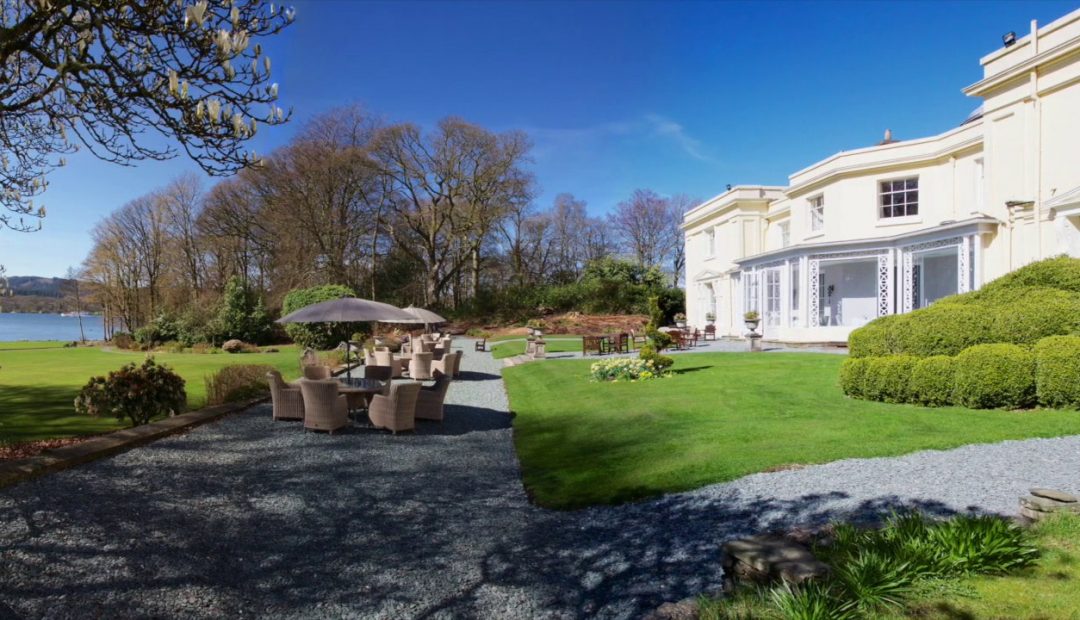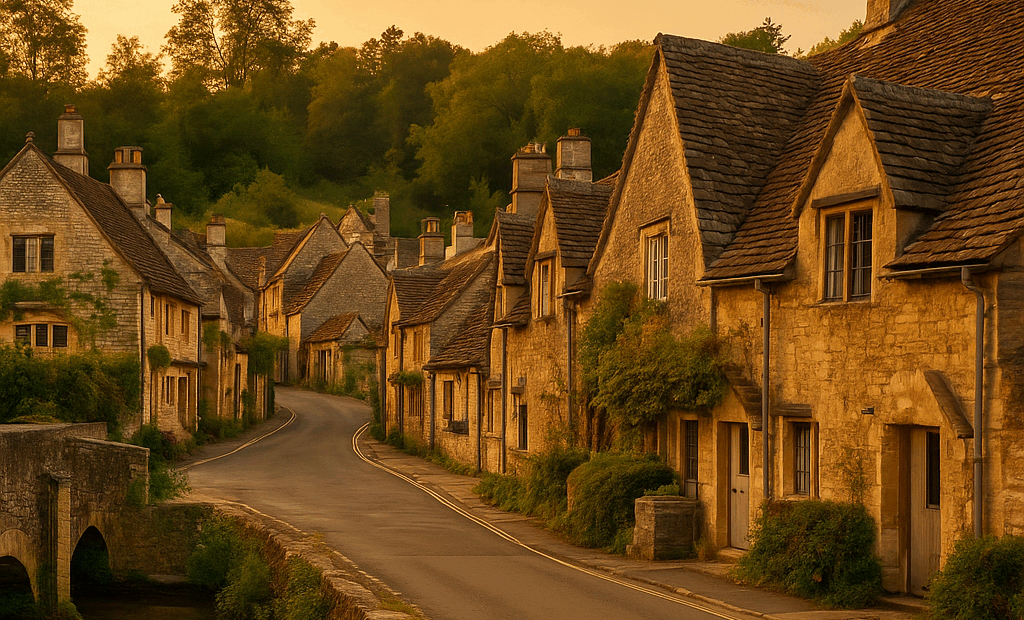
Close your eyes and imagine slipping into a silent doorway of time. You stroll through narrow cobbled streets, past stone cottages with mullioned windows and thatched roofs, and breathe in centuries of history. The air smells of limestone, woodsmoke and old earth. In these rare and special places, modern life pauses — and the England of past centuries quietly persists. Welcome to a journey of true time travel.
Below we explore 10 English villages where the architecture, layout and atmosphere feel resolutely historic — as though nothing has changed in generations. Each one invites you to wander, reflect and marvel at the endurance of community, craft and place.
Introduction
England’s countryside is dotted with settlements that trace their roots back to medieval, or even earlier, times. Many have evolved dramatically, but some remain remarkably well-preserved. These villages retain not only their historic buildings and layouts, but the rhythms of rural life — the lanes, the timber-framed houses, the village green, the old inn.
These living relics offer a rare opportunity: to experience what village life in England may have been like hundreds of years ago. From wool-rich valleys to chalky hillsides, they stand as testaments to continuity. In this post we’ll highlight ten such places, exploring their unique stories, historic facts, insider tips and “did you know?” moments to enrich your visit. You’ll also find practical advice for visiting and preserving your sense of wonder.
How These Villages Were Selected
- Historic settlement with architecture dating back at least 300 years or more (ideally 16th, 17th century or earlier).
- Minimal modern disruption to the historic core (few new builds in the immediate village centre, streets retaining landmark character).
- Authentic setting: working village rather than purely tourist set-piece.
- Good available documentation of their heritage and preservation.
- Varied geographical spread across England, so you can plan regional visits.
Village #1: Castle Combe (Wiltshire)
Why it feels frozen in time
This village within the Cotswolds Area of Outstanding Natural Beauty is famed for its cluster of Cotswold-stone cottages and historic unity. According to records, no new houses have been built in the historic centre since about 1600. That means the core of Castle Combe preserves the appearance of centuries past.
Historical highlights
- Listed in the Domesday Book of 1086, with 33 households.
- A castle once stood nearby in the 12th century; the village took its name from it.
- Wool and cloth production flourished here in the medieval period; by the 14th century, there was a fulling mill.
Visitor tips
- Arrive early in the day to avoid coach traffic and get the tranquil feel.
- Listen for the quiet rush of the Bybrook River along the main street for an added historic ambience.
- Stay overnight where possible, so you experience the village outside tour hours and truly feel the passage of time.
Did you know?
The village’s regular appearances in film and TV stems from its preserved appearance: it featured in the 1967 film Doctor Dolittle and later productions such as War Horse.
Village #2: Bibury (Gloucestershire)
Why it stands out
Known for its picturesque charm and historic continuity, Bibury’s famed cottages along Arlington Row date from the 17th century and evoke a timeless rural England.
Historical highlights
- Mentioned in the Domesday Book (1086) as “Becheberie”.
- Arlington Row was originally built in 1380 as a monastic wool store, later converted into cottages.
- The village retains many buildings from the 17th century.
Visitor tips
- Cross the small footbridge over the River Coln early in the morning to capture the light and avoid crowds.
- Visit the Trout Farm, which has operated since 1902, but the setting remains historic.
- Be aware of overtourism: stay mindful of narrow lanes and local life.
Did you know?
The Abirow (Arlington Row) cottages appear on the inside cover of some UK passports — an image of England’s heritage.
Village #3: Yetminster (Dorset)
Why it qualifies
This Dorset village appears “stone-frozen” thanks to the consistency of its limestone buildings from the end of the 16th to the middle of the 18th century.
Historical highlights
- Recorded in the Domesday Book in 1086 as “Etiminstre” with 76 households.
- The parish church of St Andrew has Saxon origins; current building mostly 15th century and later.
- The village once had nearly 20 trades and crafts in the early 19th century — evidence of a self-sufficient historic village.
Visitor tips
- Walk the village high street and take time to notice the architectural uniformity of the stonework.
- Visit the parish church and its ancient sundial for a moment of historic reflection.
Did you know?
Writing in 1905, Sir Frederick Treves described Yetminster as “probably the most consistent old-world village or townlet in the county”.
Village #4: Lower Slaughter (Gloucestershire)
Why it feels unchanged
With most houses built of Cotswold limestone in the 16th and 17th centuries and a layout barely altered over 1,000 years, Lower Slaughter is a perfect example of rural continuity.
Historical highlights
- Inhabited for over 1,000 years, the Domesday Book lists it as “Sclostre” in 1086.
- The village manor has stood since at least 1004; current house includes late 17th-century sections.
- Narrow lanes, stone footbridges and the River Eye give the village a setting that feels medieval.
Visitor tips
- Take the footpath along the River Eye and absorb the serenity of the village with minimal modern additions.
- Stay for tea at the old mill-turned-tea-room, then wander the lanes at dusk when the light softens.
Did you know?
The village’s name derives from the Old English “slough”, meaning “wet land” — a reminder of how landscape shaped settlement.
Village #5: Bretforton (Worcestershire)
Why it is notable
This farming village retains medieval origins and historic dwellings still standing, giving a strong sense of continuity.
Historical highlights
- Earliest documented reference is a charter of 709, and the name has changed little since.
- After the Dissolution of the Monasteries in the 1540s, tenants became yeomen who built houses still standing today.
- The Fleece Inn dates from the early 15th century — an exceptional survival of a longhouse.
Visitor tips
- Visit the Fleece Inn overnight for a genuine historic lodging experience.
- Explore the local fields and dovecotes to sense the continuity of rural life.
Did you know?
A local legend says that casting a circle three times blindfolded around a 400-year-old well will cause you to lose what you carry — a ghost story echoing the village’s layered history.
Village #6: Abbotsbury (Dorset)
Why it endures
Abbotsbury features a long street of stone houses, many of which date from the 16th century, set within a landscape of timeless beauty.
Historical highlights
- Recorded in the Domesday Book in 1086 as Abodesberie, an abbey once stood here.
- Much of the historic village architecture is 17th–18th century, built of local stone and surviving to this day.
- The village is adjacent to the Jurassic Coast World Heritage Site, yet retains its rural identity.
Visitor tips
- Walk to St Catherine’s Chapel on the hill for sweeping views and a profound sense of time.
- Visit early autumn or spring to avoid peak tourist crowds that can disturb the historic ambience.
Did you know?
Abbotsbury’s swannery has existed for over 600 years — originally owned by the abbey, a rare continuity of place and purpose.
Village #7: South Croxton (Leicestershire)
Why it qualifies
This small village retains visible medieval earthworks and field patterns, a late-enclosure character and a sense of place little changed over centuries.
Historical highlights
- Known in the Coroner’s Rolls of 1212 as “Sudcroxtun”.
- Medieval moated manor remains to the north of the church, plus traces of ridge-and-furrow systems in fields.
- The village was designated as a Conservation Area in 1975 for its architectural and historic interest.
Visitor tips
- Walk around the village edge to spot the field shapes and ridges that indicate the historic patterns.
- Respect the working village — it hasn’t been transformed into a tourist attraction, so be quiet, observant and respectful.
Did you know?
Some houses still roofed in slate from nearby Swithland quarry — an indicator of local materials persisting across generations.
Village #8: Hindon (Wiltshire)
Why it counts
Though partly rebuilt after a fire in 1754, Hindon retains its original planned medieval layout (burgage plots along a straight High Street) and many buildings from the 18th century onward.
Historical highlights
- Founded circa 1218 as a planned settlement with tenements flanking the High Street and narrow plots behind.
- In the 1754 fire, 144 houses were destroyed, and the village was rebuilt in a similar form — preserving its historic character.
- Still set within the Cranborne Chase and West Wiltshire Downs Area of Outstanding Natural Beauty.
Visitor tips
- Enjoy the wide village street lined with lime trees — a feature of the 19th-century restoration.
- Visit on a quiet day and imagine the coach traffic era when 14 inns once served this village during the 18th century.
Did you know?
Hindon was once a parliamentary borough (returning MPs) until 1832 and dubbed a “rotten borough” — a fascinating political footnote to its rural charm.
Village #9: Broadway (Worcestershire)
Why it endures
Lying on the Cotswold escarpment, Broadway has architecture primarily from the 16th–19th centuries and a high-street layout that has changed little since the 18th century.
Historical highlights
- Evidence of settlement since Mesolithic times; village features in the Domesday Book.
- In the 17th century, it became a stagecoach stop; 33 public houses existed at one time.
- Stripped of its staging-post role with the arrival of railways, the village settled into a quieter existence, preserving its historic fabric.
Visitor tips
- Walk from the Green down to Fish Hill at sunset for magnificent views of the village golden stone.
- Visit the Gordon Russell Design Museum to connect design heritage to the village’s historic buildings.
Did you know?
A view of Broadway inspired by the village is said to represent the “most English and least spoiled” of our countryside villages.
Village #10: Sheepscombe (Gloucestershire)
Why it is special
Tucked into a narrow valley behind the Cotswold scarp, Sheepscombe has a quiet authenticity and houses dating from the late 17th and early 18th centuries, offering a sense of continuity.
Historical highlights
- First recorded around 1260 under the name Sebbescumbe.
- Cloth-making industry until the mill closed in 1839.
- Many houses still reflect the village’s historic era of prosperity in the 17th–18th centuries.
Visitor tips
- Use the back lanes and footpaths for a more peaceful experience away from the main paved road.
- Visit the Butcher’s Arms pub, itself historic, for a warm welcome and village atmosphere.
Did you know?
Sheepscombe is among the smaller, lesser-known villages — a hidden gem for those seeking genuine rural England rather than polished tourist stops.
Practical Tips for Visiting These Villages
Travel & Timing
- Off-peak visits (early morning or late afternoon) help you experience the villages with fewer visitors.
- Stay overnight where possible — evenings offer quieter streets and a more authentic historic feel.
Respecting Heritage
- Keep to footpaths and avoid driving large vehicles down narrow historic lanes.
- Avoid loud behaviour, as these villages are working communities, not theme-parks.
Weather & Clothing
- Wear sturdy shoes — many lanes are uneven, and historic cottages can be cold internally.
- Bring a light jacket even in summer — older stone buildings often feel cool.
Photography & Drones
- Check local permissions for drone use — many historic villages restrict aerial photography to preserve peace.
Supporting Local Economy
- Use local cafés, inns and shops — this helps sustain the village’s traditional way of life.
- Avoid commercial coach tours unless they coordinate sensitively with the village community.
Frequently Asked Questions (FAQ)
1. Why do these villages look so unchanged compared to other places?
These villages often benefitted from being off major development routes, or from conservation protections early on. Their historic economic peak was centuries ago, meaning there was less impetus for wholesale redevelopment in later industrial eras. Many villages fall under preservation or conservation area status, limiting modern building. The result is a core of architecture and layout that dates back to 17th-century or earlier — giving a sense of “time standing still”.
2. Are all of these villages purely preserved for tourists?
No — while tourism is important, most of these villages remain living communities. They have residents, village halls, working pubs, and local jobs. The key is that the village fabric (buildings, lanes, layout) hasn’t been turned into a theme park. Visitors should remember they are guests in an authentic village, and respect the everyday lives of those who live there.
3. How do I choose which village to visit if I only have one day?
Pick based on region, accessibility and your preferences. If you’re in London and have one day, choose a Cotswold village within easy reach by train + taxi (e.g., Bibury or Castle Combe). If you’re driving and prefer quiet, lesser-visited spots like Sheepscombe or Bretforton may appeal. Consider whether you prefer coastal (Abbotsbury) or inland terrain (Hindon, South Croxton). One village that is deeply explored is often more fulfilling than many that are superficially visited.
4. What time of year is best to visit these villages?
Each season offers a different charm. Spring brings fresh green leaves and lambs; summer offers long daylight; autumn showcases golden stone amidst rich foliage; winter nights bring crisp quiet and historic ambience. For minimal crowds and more peaceful visits, late spring or early autumn is ideal. Avoid peak summer weekends if you want solitude.
5. Can you stay overnight in these villages?
Yes — many villages offer historic inns, bed & breakfasts or cottages. Staying overnight gives you the chance to experience the village when day visitors have gone home and the light softens. Booking early is advisable, especially in popular spots like Bibury or Castle Combe. Staying locally also supports the village economy and fosters a deeper connection to the place.
Conclusion
Travelling to these ten villages is far more than a photo stop: it is a journey through living history. Each cobblestone lane, each mellow stone cottage and each quiet village green whispers centuries of stories. When you walk past unchanged façades and sense the continuity of place, you enter a different rhythm of life — one measured not by fast pace or modern convenience, but by sun, seasons, community and craftsmanship.
While each village has adapted in small ways (modern plumbing, electricity, discreet housing) they have largely preserved their historic essence. They offer refuge from the hurried world and invite reflection: what lasts, what matters, and how places anchor identity across the ages.
By visiting with respect, curiosity and time, you allow these quiet corners of England to reveal their full richness. Let them be your portal into England as it once was — and in some ways still is.