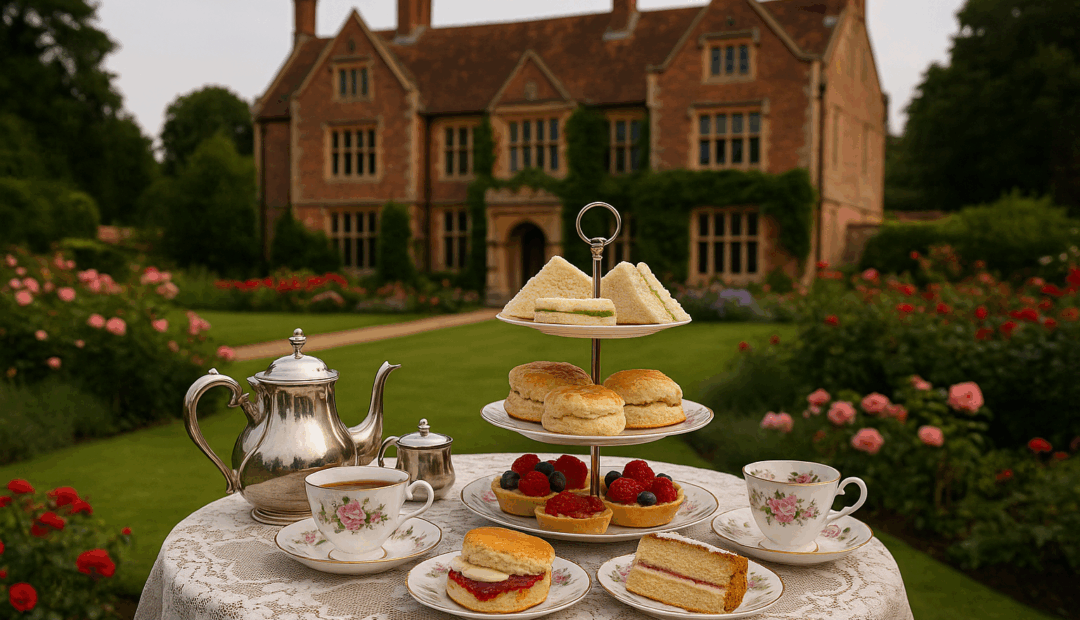
England is a country where time and tradition intertwine. From sipping tea under grey skies to celebrating pageantry with centuries-old precision, every English custom carries echoes of its past and lessons for its present. These ten timeless traditions reveal not just habits but the very essence of Englishness — a culture defined by civility, subtlety, and quiet resilience.
Introduction
England’s traditions are living history — not frozen relics behind museum glass, but breathing reflections of identity that continue to shape how the English live, work, and see the world. They offer continuity in an age of change, anchoring modern life in centuries of custom. Here, manners meet modernity, and heritage coexists with innovation, creating a culture that evolves without ever losing its sense of self.
To understand English culture is to see how ordinary rituals — a cup of tea at dusk, the laughter of a village fête, or the calm focus of a Sunday cricket match — quietly sustain the moral rhythm of the nation. These small moments carry as much meaning as grand events, forming a thread of consistency through chaos that defines English resilience.
Every custom tells a layered story. Behind each practice lies history, symbolism, and philosophy — how the English relate to time, community, and self. Each tradition reflects the country’s temperament: polite but passionate, disciplined yet imaginative. England’s identity thrives on contrasts — order and eccentricity, solemnity and wit, solitude and togetherness. Whether in a pub or palace, a garden or grand cathedral, England finds comfort in ceremony, beauty in routine, and pride in quiet gestures that connect generations. It is through these living traditions that the spirit of England endures — graceful, grounded, and endlessly renewed.
1. The Afternoon Tea Tradition
A daily pause that became a cultural philosophy
Historical Roots:
The story begins in the 1840s when Anna, Duchess of Bedford, felt “a sinking feeling” between lunch and dinner. Her simple habit of inviting friends for tea and light snacks evolved into a national custom. By the late Victorian period, “afternoon tea” was a social institution that transcended class barriers.
Cultural Meaning:
Afternoon tea is more than a meal; it is a metaphor for moderation and manners — virtues deeply embedded in English identity. It reflects the nation’s preference for order and composure over excess. The ritual — from pouring with precision to stirring without clinking — encodes civility.
Modern Evolution:
Today, afternoon tea flourishes in modern forms — luxury teas at Claridge’s and The Savoy, workplace tea breaks, and “builder’s tea” on construction sites. Vegan menus, herbal infusions, and global fusion teas symbolise adaptability.
Philosophical Insight:
In essence, tea time is an act of mindfulness disguised as tradition — a pause that balances the day, invites connection, and reinforces England’s belief that small rituals can restore harmony to a hurried world.
Quick Facts:
- Originated: 1840s (Duchess of Bedford)
- Iconic foods: Cucumber sandwiches, scones, Victoria sponge
- Symbolic values: Calm, civility, community
- Modern trend: Global high-tea culture and workplace “tea breaks”
2. The Changing of the Guard
Ceremony as continuity — duty dressed in scarlet and steel
Historical Origins:
Dating to King Charles II (1660s), this ceremony marked the formal transfer of royal security duties. Its precision reflects the enduring strength of the monarchy’s ceremonial traditions.
Cultural Dimension:
The Changing of the Guard exemplifies the English love of ritualised order — where discipline becomes theatre. It represents loyalty without ostentation and pride without aggression. Every synchronised step is a visual expression of national composure.
Symbolism and Social Function:
For visitors, it’s a spectacle; for citizens, reassurance. It reassures that while governments change, certain symbols remain stable. The sight of soldiers marching under the Union Flag embodies England’s deep-seated comfort in continuity over chaos.
Modern Adaptation:
The ceremony today draws global audiences, yet it retains authenticity. Even small adaptations — inclusion of women in ceremonial roles, diverse regiments, and modern musical medleys — show that England’s pageantry can evolve without losing grace.
Cultural Analysis:
In a world obsessed with informality, this disciplined elegance feels almost spiritual. The English instinctively understand that decorum — when genuine — binds a people together more effectively than rhetoric ever could.
Quick Facts:
- Began: 17th century under Charles II
- Venue: Buckingham Palace, Windsor Castle
- Represents: Loyalty, composure, and discipline
- Modern touch: Inclusion of female guards and varied regimental bands
3. The Pub Culture
The social heart of England — where every story begins
Historical Background:
The English pub traces its lineage to Roman taverns and medieval alehouses. In the Middle Ages, alewives brewed beer for travellers; by the 18th century, the public house had evolved into the democratic heart of every town.
Cultural Function:
The pub is where English individuality meets community. It levels hierarchy — a place where lawyers, farmers, and artists share the same table. It embodies the ideal of fair play — rounds bought in turns, arguments settled in humour.
Modern Role:
Today, pubs serve as both heritage and innovation. Gastropubs blend tradition with modern cuisine; rural inns sustain tourism; community-owned pubs preserve local identity against commercial decline.
Symbolism:
The pub is a microcosm of English values: equality, restraint, warmth beneath reserve. Even the physical layout — the “public bar” and “snug” — mirrors social flexibility within polite boundaries.
Philosophical Perspective:
To an outsider, the pub may seem ordinary; to an English mind, it’s democracy in miniature. It represents what England does best — conversation over confrontation, humour over hostility, community over chaos.
Quick Facts:
- Earliest origins: Roman Britain (~1st century AD)
- Peak period: 19th century industrial towns
- Values: Fairness, camaraderie, and belonging
- Revival: Community-led pubs and family-friendly gastropubs
4. The Royal Ceremonies
The theatre of continuity — monarchy as a mirror of the nation
Historical Depth:
From William the Conqueror’s coronation in 1066 to King Charles III’s in 2023, royal ceremonies have marked England’s timeline. They blend medieval ritual, Christian liturgy, and statecraft.
Cultural Role:
These events express unity through splendour. The English have long balanced reverence with restraint — cheering their monarchs while maintaining a constitutional coolness.
Modern Evolution:
Coronations are now broadcast worldwide; jubilees feature multicultural performers; royal weddings attract global audiences. Yet, the choreography remains unchanged — the orb, sceptre, and crown still symbolise sacred duty.
Interpretive Meaning:
Royal ceremonies serve as England’s collective mirror. They display its values — dignity, stability, inclusivity. While the monarchy no longer governs, it still represents a symbol of endurance and shared identity amid political flux.
Quick Facts:
- Ceremonies: Coronation, Trooping the Colour, State Opening of Parliament
- Core symbols: Crown Jewels, royal regalia, horse guards
- Historic venue: Westminster Abbey
- Modern adaptation: Inclusion of diverse faiths and communities
5. Cricket — The Gentleman’s Game
Patience, honour, and the moral rhythm of England
Historical Origin:
Cricket began on Sussex fields in the 16th century and matured with the Marylebone Cricket Club in 1787. It spread across the Empire, becoming England’s most symbolic export.
Cultural Meaning:
Cricket is less a sport than a social code. Its unwritten rules — walking when out, applauding opponents — exemplify the English ideal of fair play. It teaches grace in victory and dignity in defeat.
Modern Context:
Formats like T20 show cricket’s adaptability, but Test cricket remains the soul of the game. Matches at Lord’s carry ceremonial gravitas, with players dressed in white beneath centuries of portraits.
Cultural Interpretation:
Cricket reflects the English worldview: patience over haste, integrity over impulse. It transforms competition into cooperation — a lesson in how rules, when respected, can create harmony.
Philosophical Insight:
The English love cricket because it rewards character, not merely skill. Its pauses invite reflection; its etiquette affirms decency — virtues England still holds dear.
Quick Facts:
- First codified: 1787 (MCC)
- Key venues: Lord’s, The Oval
- Moral themes: Fairness, integrity, restraint
- Global legacy: Spread throughout Commonwealth nations
6. Christmas Traditions
Faith, festivity, and the English heart of giving
Historical Development:
Christmas in England blends Christian liturgy with pagan and Victorian influences. Carols, mince pies, and decorated firs reflect centuries of adaptation. The Victorians, guided by Queen Victoria and Prince Albert, popularised many customs — including the Christmas tree and greetings cards.
Cultural Significance:
The English Christmas encapsulates both solemnity and play. It celebrates faith through carols and generosity through festivity. Customs like pantomime — humorous theatre performed at Christmastime — reveal the English genius for mixing reverence with laughter.
Modern Context:
The King’s Christmas Message continues a royal tradition of moral reflection. Meanwhile, towns like Bath and York host world-famous Christmas markets blending commerce and culture.
Symbolism:
Christmas affirms England’s identity as a nation that values warmth over wealth, togetherness over isolation, and gratitude amid hardship.
Analytical View:
Even amid secularisation, Christmas unites England’s faiths and families through one enduring idea — that kindness is the truest celebration of all.
Quick Facts:
- Introduced customs: Victorian England (19th century)
- Traditions: Tree, carols, crackers, roast dinner
- Signature dish: Christmas pudding
- Values: Charity, togetherness, gratitude
7. Remembrance Day
Honouring the fallen — silence as sacred speech
Historical Background:
Remembrance Day began after World War I to mark the Armistice of 11 November 1918. Since then, it has evolved into a broader act of national reflection.
Cultural Meaning:
The red poppy, inspired by In Flanders Fields, became a unifying emblem. The Royal British Legion distributes millions annually, symbolising respect across generations.
Modern Role:
National services at the Cenotaph in Whitehall remain central, attended by the monarch, veterans, and citizens alike. Two minutes of silence link the past and the present, making remembrance a living ritual.
Interpretive Insight:
Remembrance Day demonstrates England’s moral gravity. Unlike triumphal displays, it expresses patriotism through humility. The silence itself — dignified, unspoken — is the most English form of honour imaginable.
Quick Facts:
- First observed: 1919
- Symbol: Red poppy
- Values: Reflection, gratitude, peace
- Evolution: Inclusive remembrance for all armed conflicts
8. The Love of Gardening
Nurturing nature, nurturing identity
Historical Context:
From medieval monasteries to Victorian estates, gardening has always reflected English order and artistry. The great landscapers — Capability Brown, Humphry Repton, Gertrude Jekyll — turned the countryside into a living canvas.
Cultural Dimension:
Gardening expresses patience, precision, and the moral comfort of care. Whether in a grand estate or small allotment, tending plants offers refuge from urban rush. It’s where stoicism meets beauty.
Modern Relevance:
Urban gardening, wildlife conservation, and community gardens keep the tradition alive. The Chelsea Flower Show remains an annual highlight, showcasing sustainability and design innovation.
Interpretive Perspective:
Gardening, to the English, mirrors life itself — growth through effort, renewal through patience, peace through attention. It’s philosophy in bloom.
Quick Facts:
- Famous gardens: Kew, Hidcote, Sissinghurst
- Modern movement: Eco-gardening and biodiversity
- Represents: Patience, harmony, stewardship
9. The Village Fête and Local Fair
Community, laughter, and the art of belonging
Historical Origins:
Village fêtes descend from medieval fairs celebrating harvest and saints’ days. By the 19th century, they had evolved into community fundraisers and annual highlights of rural life.
Cultural Function:
The fête combines tradition and spontaneity — tug-of-war, jam contests, maypole dancing. It celebrates equality through shared joy.
Modern Adaptation:
Though social media spreads the word, the charm remains tactile — bunting, raffle tickets, the smell of homemade cakes. Urban versions like street parties keep the ethos alive in cities.
Cultural Interpretation:
The fête encapsulates the English genius for gentle social unity. It’s democracy in play — laughter replacing politics, cooperation replacing hierarchy.
Quick Facts:
- Origin: Medieval fairs and harvest festivals
- Core values: Community, cooperation, humour
- Season: Late spring to summer
- Modern example: Charity fêtes and urban street fairs
10. The English Sense of Humour
Irony as empathy — laughter as legacy
Historical Roots:
From Chaucer to Shakespeare, English literature has prized wit as moral insight. Humour evolved into a social equaliser — a way to express truth without offence.
Cultural Function:
English humour thrives on irony, understatement, and self-deprecation. It diffuses conflict, creates intimacy, and reveals intelligence cloaked in modesty.
Modern Expression:
Television comedies like Yes Minister, Fawlty Towers, and The Office have globalised this humour. Satirical news shows reflect England’s democratic comfort with poking fun at itself.
Interpretive Dimension:
Humour, for the English, is courage disguised as laughter. It’s the ability to endure adversity without complaint — a cultural mechanism for emotional balance.
Quick Facts:
- Style: Ironic, dry, self-aware
- Icons: Shakespeare, Wilde, Fry, Cleese, Atkinson
- Function: Coping tool and cultural identity
- Legacy: Global admiration for British wit
7 FAQs
1. Why do traditions hold such a central place in English culture?
Traditions act as England’s moral and emotional compass, linking the present with centuries of shared experience. They provide rhythm to daily life and reinforce values like patience, civility, and continuity. Customs such as afternoon tea, royal ceremonies, and Remembrance Day remind citizens that progress does not mean erasing the past. In preserving rituals, England maintains stability and identity — proving that true modernity is not rejection of history, but respectful evolution built upon it.
2. How has English tea culture shaped global society?
English tea culture transformed an imported luxury into a worldwide symbol of calm, courtesy, and connection. By popularising afternoon tea in the 19th century, England turned the beverage into a social equaliser. It inspired global customs — from India’s chai breaks to Japan’s Western-style teas — blending etiquette with hospitality. Beyond its taste, tea represents English restraint and reflection. The act of sharing a cup communicates empathy and civility, quietly exporting English manners to the world.
3. Why does the monarchy remain relevant in modern England?
The English monarchy endures because it symbolises continuity, stability, and shared identity. Though its political role has diminished, its ceremonial function — seen in coronations, jubilees, and national mourning — connects the nation emotionally across generations. The monarchy has adapted through inclusivity, transparency, and service, reflecting contemporary values while preserving history. For many, it remains a reassuring presence above politics, embodying England’s respect for decorum, duty, and unity in times of both celebration and uncertainty.
4. How does cricket reflect English values and way of life?
Cricket mirrors England’s belief in fairness, patience, and integrity. Rooted in 16th-century village greens, it became both a moral code and a national pastime. Its structure encourages composure under pressure and respect for opponents — qualities embedded in English social ethics. The game’s unhurried rhythm teaches grace in victory and dignity in defeat. Even in its modern forms, cricket remains a living metaphor for Englishness: polite competition, moral restraint, and an enduring respect for the rules.
5. Why is humour considered such a defining English trait?
Humour in England is both a cultural expression and an emotional strategy. Characterised by irony, understatement, and self-deprecation, it allows the English to handle adversity with composure. Rather than confrontation, humour offers a subtle critique and social connection. From Shakespeare to The Office, wit has served as a national mirror — exposing truth through laughter. This ability to remain calm yet clever, serious yet amused, defines English character: resilience without arrogance, grace under pressure, and empathy through levity.
6. How do local communities in England preserve their traditional customs?
Local communities sustain tradition through participation, not solely through preservation. Schools, churches, and councils organise fêtes, fairs, and parades that blend nostalgia with new creativity. Volunteers restore village halls, host cricket matches, and maintain folk arts like Morris dancing. Digital platforms now promote these events, ensuring inclusivity across generations. By keeping rituals relevant — whether through charity drives or multicultural food stalls — English communities prove that heritage flourishes best when it evolves with everyday life.
7. How does England balance tradition with modern innovation?
England achieves harmony between past and present through gradual adaptation. Instead of discarding customs, it refines them — modernising menus at pubs, diversifying royal ceremonies, and promoting eco-friendly gardening. This pragmatic evolution reflects national temperament: cautious, thoughtful, and inclusive. By maintaining respect for history while embracing change, England ensures its traditions remain alive, meaningful, and globally admired. It’s a nation where heritage breathes — not trapped in museums, but woven naturally into modern living.
Conclusion
England’s traditions endure because they evolve — quietly, thoughtfully, and without losing their soul. They are less about nostalgia than about rhythm, an unspoken continuity that reassures amid change. Every shared cup of tea, every village fête, every moment of silence on Remembrance Day affirms an identity rooted in civility and compassion.
England’s genius lies in balance: between solemnity and humour, discipline and creativity, heritage and innovation. Its customs — ordinary yet profound — prove that true strength lies not in noise but in nuance, not in revolution but in refinement.
To be English is to belong to a living tradition: humble, hopeful, and ever human.