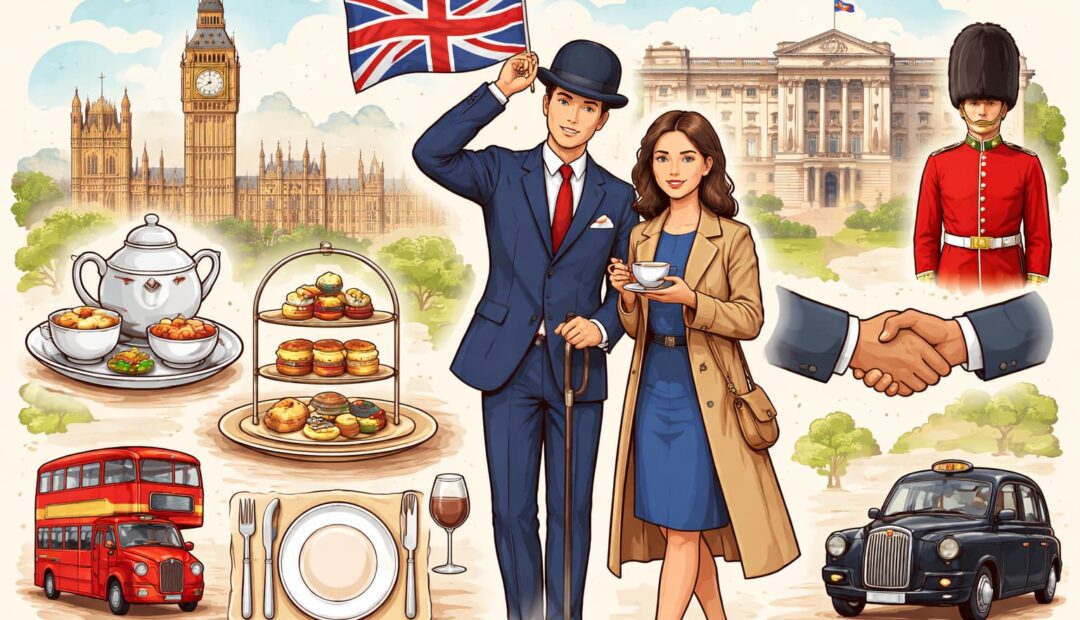
Britain is known for its politeness, restraint, and subtle social codes. Yet many of its most important etiquette rules are rarely spoken aloud. Visitors who understand these unspoken norms often experience warmer interactions, smoother conversations, and greater cultural acceptance during their stay.
From queuing habits to conversational boundaries, British etiquette is less about rigid rules and more about shared social understanding. Knowing what is expected—and what is quietly frowned upon—can significantly enhance your experience across England, Scotland, Wales, and Northern Ireland.
Introduction
British etiquette is rooted in centuries of social tradition shaped by class structure, public order, and a strong preference for mutual respect. Unlike cultures where rules are explicit and direct, British manners often operate subtly. Behaviour is guided not by enforcement, but by quiet social agreement.
For visitors, this can be confusing. Actions that seem harmless elsewhere—speaking loudly, skipping small courtesies, or oversharing personal opinions—may unintentionally cause discomfort. Understanding British etiquette is therefore less about perfection and more about awareness.
At its core, British politeness values consideration for others, emotional restraint, and respect for personal space. Mastering these principles helps visitors blend in naturally, avoid social missteps, and engage confidently in everyday interactions—from pubs and public transport to homes and workplaces.
1. Respect the Queue at All Times
Why Queuing Matters in Britain
Queueing is one of the most deeply ingrained aspects of British social behaviour. It represents fairness, order, and mutual respect. Whether waiting for a bus, coffee, toilet, or service counter, the queue is sacred.
Cutting in line is considered extremely rude. Even accidental queue-jumping can provoke silent judgment or polite confrontation. Britons may not always vocalise their frustration, but it will be noted.
Practical Guidance for Visitors
- Always identify where a queue begins
- Ask politely if unsure: “Is this the queue?”
- Do not stand too close to the person in front
- Respect informal queues at bus stops or bars
Queue discipline applies equally in small villages and busy cities. Following it demonstrates cultural awareness immediately.
2. Say “Please,” “Thank You,” and “Sorry” Frequently
The Language of Politeness
British communication relies heavily on polite expressions. Words like please, thank you, and sorry are used generously, sometimes even when no apology is strictly necessary.
“Sorry” in Britain often expresses empathy rather than fault. People may apologise when passing someone in a narrow space or when asking a question.
How Visitors Should Adapt
- Say “please” when making requests
- Thank shop staff, drivers, and servers
- Use “sorry” as a softener, not just an apology
Overuse is preferable to underuse. Politeness signals respect, not weakness.
3. Keep Conversations Reserved with Strangers
The British Approach to Small Talk
British small talk is polite but restrained. Safe topics include weather, travel, light humour, or general observations. Personal questions are typically avoided unless familiarity is established.
Topics such as income, politics, religion, or personal relationships are considered intrusive early on.
Best Practices
- Avoid asking personal questions too soon
- Do not overshare private details
- Let conversations unfold gradually
Silence is not awkward in Britain. Comfort with pauses is appreciated.
4. Maintain Personal Space and Quiet Volume
Understanding Physical and Social Distance
Britons value personal space. Standing too close, touching unnecessarily, or speaking loudly can feel intrusive.
Public spaces such as trains, buses, and waiting rooms are generally quiet. Loud phone calls or animated conversations may attract disapproval.
Cultural Expectations
- Keep an arm’s length distance when speaking
- Lower your voice indoors and on public transport
- Avoid physical contact unless invited
Respect for space reflects respect for others’ comfort.
5. Be Punctual—Especially for Appointments
Time and Reliability in British Culture
Punctuality is a sign of respect. Arriving late without notice is considered discourteous, particularly for professional or formal engagements.
Social events may allow slight flexibility, but appointments, reservations, and meetings do not.
Practical Advice
- Arrive on time or slightly early
- Inform hosts if delayed
- Avoid arriving too early to private homes
Being punctual demonstrates reliability and consideration.
6. Observe Table Manners Carefully
Dining Etiquette Expectations
British table manners remain important, especially in formal settings. While casual dining is relaxed, basic etiquette is still expected.
Talking with food in the mouth, loud chewing, or reaching across others is discouraged.
Key Dining Norms
- Keep elbows off the table
- Wait for everyone before starting
- Use cutlery properly
- Say “thank you” to hosts
Polite dining reflects social awareness and respect.
7. Understand Pub Etiquette
The Social Role of the Pub
Pubs are central to British social life, but they operate on unspoken rules. Ordering at the bar is standard, and table service is limited.
Queueing at the bar may appear informal, but order is remembered.
Pub Behaviour Guidelines
- Wait your turn politely
- Offer to buy rounds when appropriate
- Return glasses to the bar if unsure
Courtesy and patience are valued over assertiveness.
8. Avoid Making a Scene or Drawing Attention
The Preference for Emotional Restraint
British culture discourages public displays of strong emotion. Loud arguments, exaggerated reactions, or dramatic gestures may cause discomfort.
Calm, composed behaviour is admired, even during disagreement.
How Visitors Should Respond
- Express opinions calmly
- Avoid confrontation in public
- Maintain composure during service issues
Discretion is seen as maturity.
9. Follow Dress Codes and Contextual Appearance
Appearance as Social Awareness
While British fashion is diverse, context matters. Dressing appropriately for occasions shows respect for social norms.
Casual wear is acceptable in many settings, but formal events expect smart attire.
Practical Considerations
- Smart-casual is a safe default
- Observe local dress cues
- Avoid overdressing or underdressing
Appropriate appearance reflects cultural sensitivity.
10. Respect Privacy and Boundaries
Privacy as a Cultural Value
British people value privacy highly. Curiosity about someone’s personal life is often reserved for close relationships.
Unsolicited advice or probing questions may be unwelcome.
Behavioural Guidelines
- Avoid asking about income or family matters
- Respect closed doors and personal schedules
- Do not assume familiarity
Privacy is synonymous with respect.
11. Use Humour Carefully and Appreciate Subtlety
British Humour Explained
British humour is understated, ironic, and often self-deprecating. Sarcasm may be gentle and indirect.
Misinterpreting humour as seriousness—or vice versa—is common among visitors.
Navigating Humour Successfully
- Observe before participating
- Avoid offensive jokes
- Accept teasing lightly
Understanding humour improves social connection.
British Etiquette at a Glance
| Etiquette Area | Expected Behaviour | Common Mistake |
|---|---|---|
| Queueing | Wait patiently | Cutting ahead |
| Conversation | Reserved | Oversharing |
| Politeness | Frequent courtesies | Direct bluntness |
| Public Space | Quiet and calm | Loud behaviour |
| Timekeeping | Punctual | Arriving late |
| Dining | Proper manners | Casual habits |
| Privacy | High respect | Personal questions |
FAQs
1. Why is queueing so important in British culture?
Queueing symbolises fairness and social order in Britain. It ensures everyone is treated equally and prevents conflict without the need for confrontation. Britons often see respect for queues as a measure of personal integrity. Visitors who follow queue etiquette are quickly viewed as polite and culturally aware, while ignoring it may cause silent but strong disapproval.
2. Is British politeness genuine or just habitual?
British politeness is both genuine and habitual. Courtesy phrases like “please,” “thank you,” and “sorry” are deeply embedded in everyday language. While they may sometimes sound automatic, they reflect a sincere desire to maintain social harmony. Politeness is not performative—it is a shared social expectation that reduces friction in daily life.
3. Are British people unfriendly because they seem reserved?
British reserve is often mistaken for unfriendliness. In reality, it reflects respect for personal space and emotional boundaries. Warmth develops gradually through trust and familiarity. Once connections form, British people are often loyal, humorous, and generous. Visitors who respect initial reserve usually experience more meaningful interactions over time.
4. Is it rude to speak loudly in public places in the UK?
Yes, speaking loudly in public spaces such as trains, cafes, or waiting rooms is generally discouraged. British culture values calm and quiet shared environments. Loud conversations may be seen as intrusive rather than expressive. Keeping a moderate volume shows awareness of others and aligns with local expectations of courtesy.
5. How formal are British dining rules today?
British dining etiquette has relaxed, but core manners remain important. Formal settings still expect traditional behaviour, while casual meals are more forgiving. However, basic politeness—waiting your turn, thanking hosts, and using cutlery properly—is always appreciated. Visitors who observe table manners are viewed as respectful regardless of setting.
6. Is humour difficult for visitors to understand?
British humour can be subtle and indirect, making it challenging for newcomers. It often relies on understatement, irony, and self-mockery. Observing tone and context helps avoid misunderstandings. Visitors are not expected to master British humour immediately, but responding lightly and not taking jokes personally goes a long way.
7. What is the biggest etiquette mistake visitors make in Britain?
The most common mistake is assuming informality equals familiarity. Being too direct, personal, or loud can unintentionally breach social boundaries. British etiquette prioritises subtle respect rather than openness. Visitors who observe, adapt, and act considerately tend to integrate smoothly and enjoy more positive interactions.
Conclusion
Understanding British etiquette is less about memorising rigid rules and more about recognising shared social values. Politeness, restraint, fairness, and respect for others underpin daily interactions across the UK. Visitors who approach these norms with curiosity and humility often find Britain welcoming and rewarding.
By observing queues, moderating behaviour, respecting privacy, and using polite language, visitors demonstrate cultural awareness that is quietly appreciated. These small adjustments not only prevent misunderstandings but also open doors to more genuine connections. British etiquette may be subtle, but learning it enriches every aspect of the visitor experience.