Across England, a new chapter in interior design is unfolding. It blends heritage charm with thoughtful modern living, sustainability, and exquisite craftsmanship. Whether you’re renovating or refreshing, these English home trends promise comfort, beauty, and a sense of soul you’ll want to bring into your own home immediately.
Introduction
English homes have always taken a different approach to interiors. Rather than chasing temporary styles, they prioritise longevity, character, and emotional connection. Recently, however, there has been a renaissance: homeowners are blending traditional craftsmanship with modern convenience, creating intentional living spaces with warmth, authenticity, and enduring elegance.
From quietly luxurious fabrics and layered lighting to curated antiques and nature-led design, English interiors are focusing less on perfection and more on atmosphere. Homes are becoming softer, more personal, and more expressive—moving away from mass-produced sameness and instead celebrating individuality, craftsmanship, sustainability, and meaningful comfort.
Below are 17 life-enhancing English home trends, thoughtfully explored so you can adopt them whether you live in a London townhouse, countryside cottage, or modern new-build.
1. Quiet Luxury: Understated Elegance Over Flashy Decor
Quiet luxury has become the defining design language in upscale English homes. Rather than loud displays of wealth, this trend centres texture, restraint, and subtle refinement.
What Defines Quiet Luxury
Think buttery-soft textiles, real wood over laminates, and timeless furniture that feels collected rather than purchased in one day. English quiet luxury rejects fast décor and embraces heirloom-quality pieces.
Materials That Elevate the Look
Soft linen, wool, velvet, oak, marble, unlacquered brass and hand-finished ceramic add weight and authenticity. These materials age beautifully, gaining character rather than wearing out.
How to Introduce Quiet Luxury (Tips)
- Choose fewer but better-quality furnishings
- Mix natural stone with warm wood
- Swap shiny plastics for textured organic fabrics
- Invest in timeless designs, not trends
Why It Matters
This trend benefits the home long-term—financially, environmentally, and emotionally—because the space feels calm, thoughtful, and enduring.
2. Heritage Paint Colours & Deep, Timeless Palettes
England has embraced richer, moodier wall colours inspired by historic manor houses, heritage architecture and arts-and-crafts period homes.
Why Darker Shades Are Back
Deep greens, obsidian blues and softened earthy browns make spaces feel comforting rather than gloomy. These richer palettes reflect England’s appreciation for character and history.
Where This Works Best
Dining rooms, bedrooms, hallways, libraries and living rooms benefit from this cocooning palette—especially when paired with layered lighting.
Popular English Heritage Colour Themes (Examples)
- Forest Green for grounding elegance
- Midnight Blue for dramatic theatre rooms or home studies
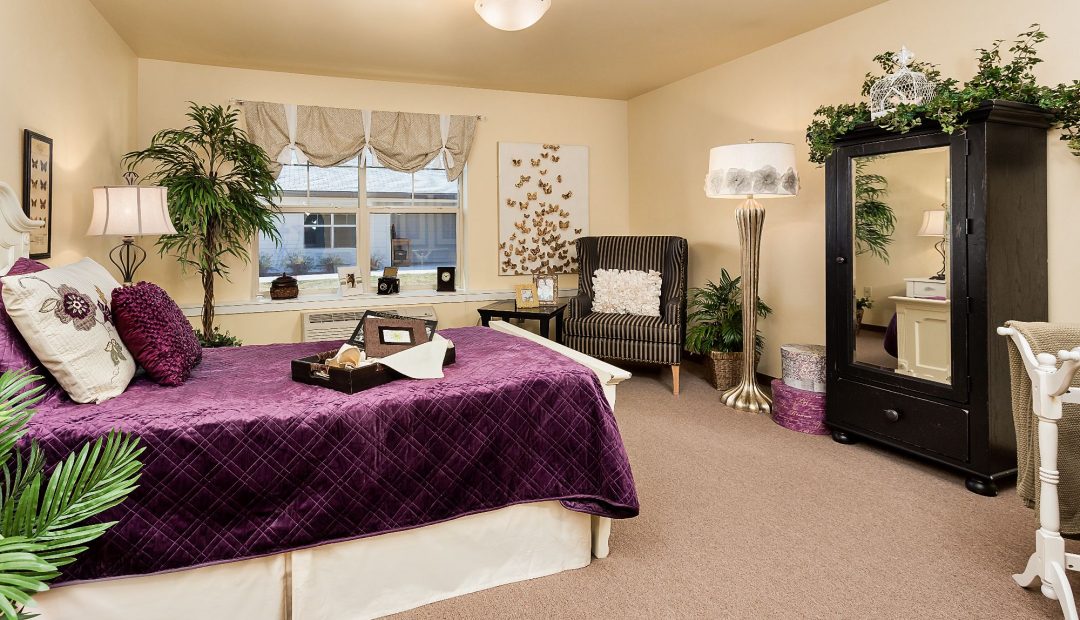
- Plum and Claret Reds for period-inspired warmth
- Deep Beige, Mushroom, and Clay for quiet sophistication
Finishing Touch
Matte paint finishes (rather than gloss) help create depth and softness, complementing textured fabrics and antique accents.
3. The Return of Pattern: Florals, Toile & Block Prints
For years, minimalism dominated. Today, English homes are reviving patterned wallpapers and textiles—but with elegance and intention.
A Revival of Storytelling
Patterns add narrative and visual richness. Whether Georgian prints, William Morris wallpapers or modern Indian block prints, pattern brings warmth, memory and movement.
Where to Use Pattern Confidently
Feature walls are no longer enough. Modern English interiors use pattern across curtains, lampshades, upholstery and even ceilings.
Pattern Pairing Ideas (Bullet Style)
- Combine botanical prints with soft checks or stripes
- Use small repeated prints in small rooms (fits English cottage style)
- Layer toile wallpaper with velvet seating for luxury contrast
- Pair patterned textiles with wood furniture to ground the look
Why This Trend Works
Patterns make homes feel lived-in and emotionally rich—something English design values deeply.
4. Layered Lighting: Warm, Soft and Atmosphere-Focused
Lighting is no longer purely practical—it’s emotional. English houses now feature multiple soft-light sources to create ambience instead of harsh overhead bulbs.
The Art of Layering
Rooms typically include table lamps, wall sconces, soft pendant lights, and candlelight rather than relying on one bright ceiling fixture.
Tone and Warmth
Warm (not cool) bulbs—preferably dimmable—help create spaces that feel calm, flattering, and inviting.
Lighting Layer Breakdown (Table)
| Lighting Type | Purpose | Best Rooms |
|---|---|---|
| Task Lighting | Reading, Work, Kitchen Prep | Kitchens, Studies |
| Ambient Lighting | Overall warmth and comfort | Living Areas, Bedrooms |
| Accent Lighting | Highlight architecture and art | Hallways, Dining Rooms |
A Final Detail
Fabric lampshades—especially pleated ones—add a depth of texture and softness unmatched by bare bulbs.
5. The “Collected” Home: Mixing Old & New
Rather than matching everything, English interiors embrace a collected look where old and new coexist beautifully.
Why Mixing Eras Works
Antique furniture adds a sense of permanence and story; modern pieces add comfort and practicality. Together, they strike balance.
Where to Start
Begin with one heritage item—a gilt mirror, Victorian wooden cabinet, or antique rug—and build around it.
Ways to Create a Collected Look
- Source antiques from markets and reclamation yards
- Avoid impulse buying matching sets
- Treat shopping as a journey, not a single transaction
Emotional Value
Each object feels meaningful rather than disposable, creating a home that reflects memories and identity.
6. Indoor–Outdoor Fluidity: Bringing Nature In
English homeowners are blurring boundaries between indoors and nature—especially post-lockdown.
Design Choices That Support This
Large windows, French doors, conservatories, and nature-inspired palettes all help create visual continuity between house and garden.
Botanical Elements
Fresh flowers, potted olive trees, herbs in kitchens, and dried bouquets enhance air quality and mood.
Easy Nature-Inspired Additions
- Linen curtains that flutter with breeze
- Natural stone flooring continuing outdoors
- Soft sage and fern colour schemes
- Wicker baskets and natural fibre rugs
Why It Enhances Well-Being
Nature-centric interiors reduce stress, create warmth, and make homes feel alive.
7. Handcrafted Details & Artisan-Made Décor
Handcrafted pieces are becoming core design features in English homes, replacing mass-produced décor with meaningful, tactile artistry.
Why Craftsmanship Matters
Craft objects carry soul. They celebrate human touch, slight imperfections, and emotional durability—qualities that fast homeware cannot replicate. This trend reflects a slow-decor philosophy: collecting thoughtfully, not filling quickly.
Where to Incorporate Artisanal Work
Hand-thrown pottery, carved wooden bowls, handmade lampshades, woven textiles, and ironmongery hardware elevate even the simplest spaces.
Types of Handmade Elements to Consider
- Throw-blankets woven on traditional looms
- Hand-painted tiles in kitchens and bathrooms
- Bespoke ceramic tableware
- Hand-carved wooden stools and benches
- Custom hardware such as unlacquered brass cupboard pulls
Long-Term Appeal
Artisanal furnishings age gracefully, becoming part of the home’s identity—rather than a trend destined for landfill.
8. English Cottage Romanticism: Soft, Storybook Comfort
The modern English cottage aesthetic is whimsical, warm, and deeply nostalgic. It takes inspiration from countryside cottages and period architecture.
Design Characteristics
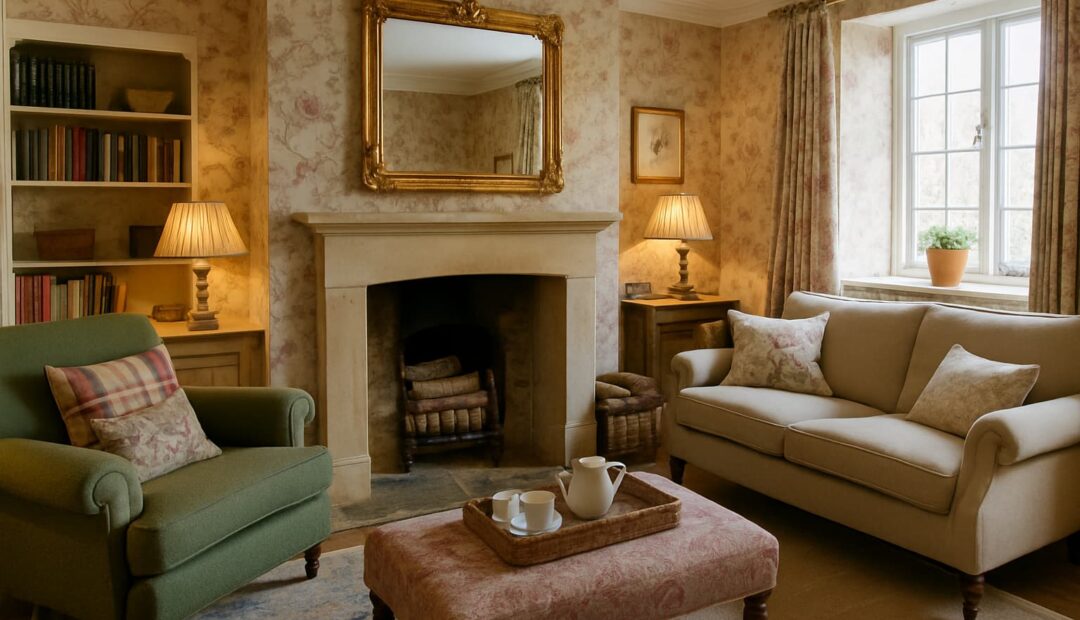
Soft textures, floral textiles, painted wood, vintage textiles, and natural materials define the look. Nothing feels sterile or overly coordinated—spaces should feel comforting, not curated.
Rooms That Suit This Trend
Bedrooms, reading nooks, cottage kitchens, conservatories, and guest rooms are ideal spaces for embracing gentle English romanticism.
Ways to Create Cottage Atmosphere
- Ruffled linen bedding
- Antique chairs with velvet cushions
- Botanical-print wallpaper
- Fresh wildflowers or dried lavender
- Worn Persian or wool rugs
Why It Feels Luxurious
This trend offers emotional softness—creating rooms meant to be lived in, loved, and shared, not showcased.
9. The Library Look: Home Reading Spaces & Built-In Bookcases
Books remain central to English homes—symbolising comfort, curiosity, and lifelong learning.
Why This Trend Is Growing
In a screen-soaked world, book-lined rooms feel grounding. Whether a full library or a small book nook, reading spaces are becoming essential.
Design Principles
Built-in shelving, cushioned seating, warm lighting, and rich colour palettes create the perfect retreat.
Styling Ideas for Book Spaces
- Leather-bound vintage classics
- Photo frames layered between books
- Book stacks paired with small brass lamps
- Soft throws and oversized armchairs
A Note on Acoustics
Soft furnishings—curtains, rugs, upholstery—enhance the acoustics and create a cocooned, private atmosphere.
10. Luxuriously Practical Utility Rooms & Boot Spaces
English homes are elevating the humble utility room, turning it into a beautifully functional space rather than an afterthought.
Why Utility Chic Is Rising
A well-designed utility room keeps the rest of the house calm and orderly. Boot rooms are particularly popular in rural and suburban households.
Design Features to Consider
Built-in cabinetry, stone flooring, peg rails, laundry storage, and dog-washing stations blend beauty with everyday efficiency.
Smart Additions
- Heated drying rails
- Baskets for seasonal accessories
- Integrated storage for outdoor gear
- Durable ceramic or stone sink
Result
Daily tasks feel smoother, while clutter becomes contained and invisible.
11. Kitchen as Social Centrepiece (Not Just Functional Space)
The kitchen has reclaimed its traditional role as the heart of the home—somewhere to cook, talk, gather, unwind, and celebrate.
Shift in Design Philosophy
Rather than sterile minimalist kitchens, warm family-centred kitchens are returning—full of texture, colour, and history.
Hallmarks of the Trend
Statement range cookers, timber cabinetry, stone countertops, freestanding islands, and vintage crockery add charm.
Kitchen Atmosphere Enhancers
- Display open shelving with curated dishware
- Add linen Roman blinds or patterned curtains
- Choose unlacquered brass or nickel taps
- Consider a Belfast or apron-front sink
Why It Works
The kitchen becomes not only functional but emotionally significant—somewhere life unfolds.
12. Period Architectural Respect: Honouring Original Features
Rather than covering or replacing original details, English homeowners are restoring them.
What’s Being Preserved
Fireplaces, mouldings, sash windows, exposed beams, terracotta floors, and stone walls are considered treasures—not obstacles.
Why Restoration Matters
Architectural character anchors design and fosters authenticity—especially in older English homes.
Techniques Used in Restoring
- Lime plaster instead of modern cement
- Natural oils and wax finishes
- Specialist heritage window repairs
- Reproduction ironmongery in period style
Outcome
Homes feel rooted in time—yet updated for modern comfort.
13. Sustainability as a Standard, Not a Trend
Eco-minded design is no longer a niche interest—it is shaping mainstream English interiors.
What Sustainability Looks Like
Buying longevity rather than trend-driven décor, choosing reclaimed or locally made furnishings, and prioritising non-toxic paint and natural materials.
Where Sustainability Meets Luxury
Wool rugs, linen bedding, bamboo flooring, reclaimed timber furniture, and refillable candles combine environmental mindfulness and indulgence.
Sustainable Choices Checklist
- Avoid fast-furniture
- Choose FSC-certified wood
- Opt for natural textiles
- Support local makers and refinishers
Bigger Picture
Sustainable homes age beautifully and align with ethical, meaningful living.
14. Spa-Inspired Bathrooms: Calm, Serene and Slow
Bathrooms are shifting from purely functional spaces to wellness sanctuaries.
Design Aesthetic
Soft stone, brushed brass, walk-in showers, freestanding baths, and candle-lit ambience encourage relaxation.
Mood Matters
Neutral tones, warm lighting, and soft textiles contribute to a slow-living environment.
Luxury Details to Include
- Marble or stone sinks
- Spa robes and plush towels
- Rainfall shower heads
- Natural oak or bamboo elements
Atmosphere First
A spa bathroom prioritises tranquillity, stillness, and healing comfort.
15. Statement Flooring That Sets the Tone
Floors have shifted from background features to major design statements.
What’s Trending
Parquet hardwood, limestone tile, checkerboard layouts, richly patterned rugs, and reclaimed timber planks are especially fashionable.
Where to Use Feature Floors
Hallways, foyers, kitchens, and dining rooms are ideal places for bold or ornate flooring choices.
Flooring Options Table
| Material | Look & Feel | Best Suitability |
|---|---|---|
| Oak Parquet | Classic, luxurious | Living & entertaining rooms |
| Limestone Tile | Rustic heritage | Kitchens, utility, conservatories |
| Patterned Rugs | Warm & expressive | Bedrooms, sitting rooms |
| Checkerboard | Traditional yet playful | Entrances & bathrooms |
Why It Works
Flooring creates instant personality and frames the room like art.
16. Emotional Objects: Displaying Meaning, Not Minimalism
Minimalism has lost its dominance. Instead, curated sentimental objects are displayed with intention.
What Counts as Emotional Décor
Family heirlooms, travel finds, vintage frames, handmade pottery, and meaningful gifts become design features—not clutter.
Styling Mindfully
Grouping items by material, scale, or memory creates cohesion without chaos.
Three Display Approaches
- Vignettes on coffee tables or mantels
- Gallery shelving mixing books and objects
- Statement corners with layered artwork and sculpture
Result
Homes feel personal, soulful, and emotionally rich—reflecting real lives rather than showroom aesthetics.
17. The “Slow Home” Movement: Long-Term Living Over Instant Trends
The final—and most meaningful—trend is philosophical rather than visual.
What Is the Slow Home Concept?
It’s the belief that homes should evolve through thoughtful decision-making, craftsmanship, and intention.
Principles of a Slow Home
Buy less—but better. Choose meaningful items. Honour originality. Avoid perfection and embrace patina.
Slow Home Living Values
- Time
- Craftsmanship
- Tradition
- Sustainability
- Connection
Why This Matters
A slow home becomes timeless—not because it follows trends, but because it listens to its inhabitants.
7 FAQs
1. Are these English home trends suitable for modern houses as well as period properties?
Yes — these trends work beautifully in both modern homes and older properties because they focus on timeless elegance rather than fast fashion. A contemporary house can benefit from heritage colour palettes, artisan-made décor, layered lighting, and natural materials. Meanwhile, traditional homes can adopt softer modern comforts, spa-style bathrooms, or understated luxury finishes without disrupting character. The key is balance: mix classic craftsmanship with subtle contemporary touches to ensure the space feels cohesive and intentional.
2. Do these interior trends require a high budget to achieve?
Not necessarily. While many luxury features can be investment pieces, the philosophy behind these trends centres on intentional choices rather than expensive ones. Second-hand furniture, handmade pottery, reclaimed wood, and vintage textiles can be more affordable than new mass-produced items — yet offer more charm and longevity. Small updates like paint, lighting layers, or curated display areas can transform a room. The core principle is buying fewer, better pieces and letting the home evolve slowly over time.
3. What’s the best way to start incorporating the ‘quiet luxury’ trend?
Begin by editing rather than adding. Remove overly busy or plastic decor and replace with natural textures like linen, wool, stone, and real wood. Add gentle, layered lighting and avoid harsh overhead brightness. Keep colour palettes soft, warm, and calming. Choose one high-quality statement item — such as a beautiful armchair, handmade vase, or heritage rug — and let the rest of the room complement it. Quiet luxury is refined, subtle, and emotionally soothing rather than showy.
4. How can I mix old and new furnishings without the space feeling mismatched?
Blend eras intentionally by using harmony rather than symmetry. Keep a consistent palette across both antique and modern elements, and use lighting, textiles, and artwork as bridges between styles. A contemporary sofa can pair beautifully with a vintage wooden table if both share similar tones or materials. Display pieces with story and craftsmanship rather than clutter. The goal is to create a collected look that feels layered, soulful, and curated — not chaotic or randomly assembled.
5. Which trend should I prioritise if I want to make the biggest impact quickly?
Layered lighting often has the most transformative effect because it instantly changes the atmosphere of a room without requiring renovation. Swap cool bulbs for warm ones, introduce table lamps or wall sconces, and add dimmers for flexibility. Once lighting feels soft and intentional, you can layer additional elements like textiles, meaningful objects, and natural materials. This single change helps create a warmer, more luxurious feeling — making everything else look more cohesive and inviting.
6. Are patterned walls and textiles still timeless, or will they date quickly?
When chosen thoughtfully, patterned textiles and wallpaper are timeless — especially traditional prints like botanicals, toiles, checks, and heritage florals. These patterns have been used in English homes for centuries and continue to evolve in colour and scale. The key is selecting patterns that complement architecture and personality rather than chasing seasonal designs. When patterns are layered gently and harmoniously, they add charm, visual interest, and emotional richness without feeling temporary or overwhelming.
7. How do I make my home feel ‘lived-in’ and personal rather than staged?
Focus on meaning rather than perfection. Display objects that tell your story — travel finds, inherited items, framed letters, hand-thrown pottery, or books that reflect your interests. Layer textures, mix old and new, and allow natural patina to develop. Avoid over-minimalist styling where spaces feel untouched. A lived-in home should evoke comfort, history, and identity — where every object earns its place because it carries memory, beauty, or emotional value.
Conclusion
The new era of English interior style represents more than décor; it reflects a lifestyle shaped by comfort, history, nature, craftsmanship, and emotional meaning. These 17 trends aren’t fleeting—they mark a return to thoughtful living, where spaces are designed to feel lived-in, loved, and deeply personal.
Whether you’re refreshing one room or reimagining your entire home, adopting even a few of these ideas can create a space that nourishes, restores, and inspires. Ultimately, the most beautiful homes are not those that look perfect—but those that feel deeply, unmistakably lived in.