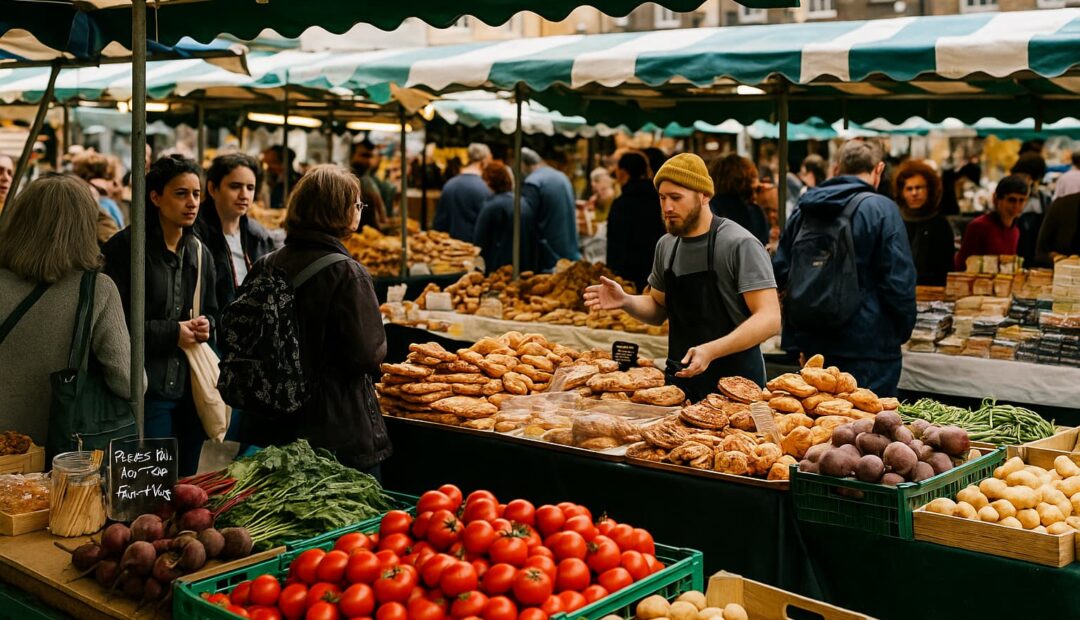
England’s food markets are where local flavours truly come to life. From historic covered halls to regenerated warehouse spaces and bustling high-street farmers’ markets, these are the places where producers, chefs, growers, and communities meet. Each market offers a different slice of English food culture—regional specialities, artisan craft, global street food, and fresh, seasonal ingredients.
Whether you are planning a food-focused trip, seeking genuine local produce, or simply curious about how England eats today, these 18 food markets offer an in-depth taste of the country’s culinary identity. Every section below breaks down the experience: what to expect, what to eat, when to visit, and who each market suits best.
Introduction
Food markets have always played an important role in English towns and cities. Traditionally, they were practical places—centres of trade where farmers, fishermen, and craftspeople sold directly to residents. Over time, they have evolved into cultural and social landmarks, blending everyday shopping with leisure, tourism, and gastronomic exploration.
Modern English food markets now combine heritage with innovation. Many of them occupy historic buildings or long-standing trading sites, yet their stalls reflect the influence of global migration, changing eating habits, and renewed interest in local, sustainable food. This makes them ideal locations to understand not just what people eat, but how they live, interact, and value food.
The following guide explores 18 of the best food markets in England for local flavours, with detailed subheadings for each market to help you understand their character, strengths, and practical details.
1. Borough Market, London
Overview
Borough Market, near London Bridge, is widely regarded as England’s flagship food market. With its atmospheric ironwork roofing, bustling walkways, and high-quality traders, it represents the modern English food scene at its most refined, diverse, and sustainability-focused.
History and Heritage
The market has roots stretching back over a thousand years, making it one of London’s oldest trading sites. Historically, it supplied the surrounding population with meat, fish, and produce. Today, the emphasis is on carefully sourced, often small-scale, producers—both British and international—who bring craft, expertise, and storytelling to every stall.
Market Layout and Sections
Borough Market is loosely divided into areas:
- Green Market and Three Crown Square – fresh produce, cheeses, bread, meat, and fish
- Street-food area – hot food vendors serving ready-to-eat dishes
- Permanent shops and restaurants – bakeries, specialist retailers, cafés, and wine bars
Understanding the basic layout helps you pace your visit and avoid missing key sections.
Signature Food and Local Flavours
- British farmhouse cheeses (Cheddar, Stilton, Lancashire, and more)
- Fresh oysters and shellfish from sustainable fisheries
- Traditional British baked goods, including pies and sourdough loaves
- Condiments such as chutneys, mustards, pickles, and local honey
These products showcase the best of British ingredients and craftsmanship.
Street Food and Global Influences
Borough Market is also a hub of international flavours:
- Grilled cheese toasties, raclette, and gourmet sandwiches
- Indian, Middle Eastern, Italian, and Spanish street food
- Vegetarian and vegan options made with seasonal vegetables
The combination of British and global cuisine reflects London’s multicultural identity.
Sustainability and Ethical Sourcing
The market is known for its strong focus on:
- Seasonal produce
- Low-waste and plastic-reduction initiatives
- Ethically sourced meat and fish
- Support for independent producers rather than mass-market brands
This makes it particularly attractive to environmentally conscious visitors.
Practical Tips for Visitors
- Best time to visit: Weekday mornings are quieter; Saturdays are lively but crowded.
- What to bring: Reusable bags, comfortable shoes, and an appetite for tasting.
- How long to stay: Allow at least two to three hours for a relaxed visit.
Who Is It Best For?
Borough Market is ideal for:
- First-time visitors to English food markets
- Food lovers interested in premium ingredients and artisan craftsmanship
- Travellers who want a single market that combines history, quality, and variety
2. St George’s Market, Belfast (frequently visited by English food travellers)
Overview
Although located in Belfast, St George’s Market is one of the most well-known markets in the wider UK and is popular with visitors from England. It offers a blend of fresh produce, hot food, crafts, and live entertainment, making it a vibrant weekend experience.
History and Architecture
Built in the late 19th century, the market’s red-brick Victorian structure and iron columns create a distinctive atmosphere. The building itself is a heritage asset and contributes greatly to the sense of occasion when you step inside on a busy market day.
Fresh Produce and Local Ingredients
Expect:
- Seafood from the surrounding Irish Sea and Atlantic waters
- Locally grown vegetables and fruit
- Regional specialities such as soda bread and potato-based dishes
- Artisan jams, chutneys, and baked goods
These stalls showcase the food identity of the region.
Street Food and Global Stalls
Alongside local produce, St George’s Market features:
- Hot breakfasts and traditional Irish fare
- International street food from European, Asian, and Middle Eastern cuisines
- Sweet treats, including handmade cakes and traybakes
Music, Culture, and Community
One of the defining features is live music:
- Local bands and solo performers
- A friendly, social environment where people linger rather than simply shop
Practical Tips for Visitors
- Check which days focus on food, crafts, or mixed markets
- Arrive earlier for the best choice of fresh fish and bread
- Be prepared for a lively, crowded atmosphere on Saturdays
Who Is It Best For?
Ideal for:
- Visitors combining food exploration with cultural tourism
- Those who enjoy markets with entertainment and crafts alongside food
3. Grainger Market, Newcastle
Overview
Grainger Market is a historic covered market in central Newcastle, known for its traditional traders and modern food stalls. It is a prime example of how a market can remain practical, affordable, and community-focused while adapting to contemporary tastes.
Historic Setting and Design
Opened in 1835, the market’s architectural design features spacious aisles and natural light. Many stalls have been family-run for generations, giving the market continuity and character.
Traditional Northern Specialities
Visitors will find:
- Stottie bread, a dense loaf typical of the North-East
- Pease pudding, often served with ham or sandwiches
- Pies, pasties, and classic English baked goods
- Butchers and fishmongers offering regional cuts and catches
These items reflect the hearty, comforting food culture of the region.
Modern Food and Street-Food Options
Grainger Market also embraces the modern:
- Coffee shops and artisan bakeries
- International food stalls, including Italian, Chinese, Greek, and Middle Eastern flavours
- Vegan and vegetarian options
This combination keeps the market relevant to younger visitors and changing dietary preferences.
Practical Daily Shopping
Unlike some markets that lean mainly towards tourism, Grainger remains a place for everyday shopping:
- Affordable fruit and vegetable stalls
- Household goods alongside food
- A friendly, local customer base
Practical Tips for Visitors
- Ideal for sampling local northern dishes at reasonable prices
- Easy to access on foot from central Newcastle
- Good choice for combining with a wider city visit
Who Is It Best For?
- Travellers who want a genuine, non-tourist-centred English market
- Visitors keen to explore northern English food traditions
4. Manchester Arndale Market
Overview
Arndale Market, inside Manchester Arndale shopping centre, is a compact but dynamic market focused heavily on street food, multicultural cuisine, and everyday produce. It mirrors Manchester’s diverse, youthful, and fast-paced character.
Modern Urban Market Environment
With bright lighting, accessible layout, and a central location, the market serves:
- Office workers seeking quick lunches
- Shoppers looking for snacks and ingredients
- Visitors interested in global flavours at reasonable prices
Global Street-Food Choices
Stalls may include:
- Caribbean jerk chicken and patties
- Asian noodle dishes, sushi, and bao buns
- Mexican-inspired burritos and tacos
- African and Middle Eastern dishes
This variety makes it an excellent place to explore new cuisines.
Fresh Food and Essentials
Alongside hot food, you will also find:
- Butchers and fishmongers
- Fruit and vegetable stalls
- Bakeries selling bread, cakes, and savoury pastries
Atmosphere and Social Experience
Arndale Market offers:
- A casual, informal environment
- Seating in and around the food court areas
- A constant flow of local customers, students, and tourists
Practical Tips for Visitors
- Lunchtime is busiest; arrive slightly earlier or later for seating
- Good for budget-friendly meals in the city centre
- Convenient if you are already shopping in the Arndale complex
Who Is It Best For?
- Visitors who enjoy modern street-food culture
- Those wanting quick, affordable, and varied meal options in central Manchester
5. Leeds Kirkgate Market, Leeds
Overview
Leeds Kirkgate Market is one of the largest indoor markets in Europe and a monumental presence in the city’s commercial life. It combines heritage, everyday practicality, and wide-ranging food options.
Historic Importance
- Dates back to the 19th century
- Birthplace of the first Marks & Spencer stall
- Retains traditional Victorian architectural features alongside newer areas
Fresh Produce and Local Goods
Kirkgate is a true working market:
- Multiple fruit and vegetable stalls
- Butchers, fishmongers, and poultry traders
- Bakery stalls, delicatessens, and cheese counters
Yorkshire Food Identity
The market is an excellent place to experience:
- Yorkshire meats and sausages
- Regional rhubarb, often used in desserts and preserves
- Pies, pasties, and puddings typical of the area
International Food Court
There is also a modern section devoted to:
- Vietnamese, Polish, Indian, Middle Eastern, and Chinese food
- Street-food style stalls with sit-down areas
- Vegetarian and vegan options for contemporary diners
Events and Demonstrations
Kirkgate regularly hosts:
- Food festivals
- Cooking demonstrations and themed events
- Seasonal celebrations linked to Christmas, Easter, and cultural festivals
Who Is It Best For?
- Visitors wanting both a traditional and modern market experience
- Food lovers interested in Yorkshire specialities and multicultural cuisine
6. Portobello Road Market, London
Overview
Best known for antiques and vintage fashion, Portobello Road Market also offers a thriving food scene that reflects West London’s diversity and creative energy.
Food-Focused Areas
Food stalls are mainly concentrated near:
- The middle sections of the market on Fridays and Saturdays
- Dedicated produce and street-food stretches
Fresh Produce and Artisan Items
You can find:
- Organic fruit and vegetables
- Artisan breads and baked goods
- Olive oils, preserves, cheeses, and cured meats
Street Food and World Flavours
Typical offerings include:
- Caribbean jerk chicken and patties
- Mediterranean wraps and meze
- Latin American arepas
- Crepes, churros, and pastries
Atmosphere and Neighbourhood Character
Set in Notting Hill, the market benefits from:
- Colourful terraced houses
- A lively, cosmopolitan crowd
- A strong sense of place tied to film, music, and cultural history
Who Is It Best For?
- Visitors who like combining food exploration with vintage shopping and people-watching
- Those who enjoy lively, crowded, and photogenic environments
7. Cambridge Market Square, Cambridge
Overview
Cambridge Market Square is a daily outdoor market in the historic city centre. It offers a relaxed, community-oriented mix of produce, hot food, and small independent traders.
Setting and Surroundings
Situated close to college buildings and historic streets, the market feels:
- Open, accessible, and friendly
- Well-integrated with everyday city life
Local Produce and Specialities
Expect:
- Fruit and vegetables from nearby farms
- Artisan bread, pastries, and cakes
- Honey, chutneys, and preserves from regional producers
Street-Food Options
The food section typically includes:
- Jacket potatoes with varied fillings
- Burgers, wraps, and vegan meals
- Freshly made coffee, smoothies, and juices
Practical Experience
- Ideal for a casual lunch after walking around the colleges
- Offers both sit-down and takeaway style options
- Prices are generally reasonable for a university city centre
Who Is It Best For?
- Visitors exploring Cambridge on foot
- Those looking for a relaxed, informal, and friendly environment with simple, good-quality food
8. Shambles Market, York
Overview
Shambles Market is located close to York’s famous medieval street, The Shambles. It offers a blend of food stalls, fresh produce, and crafts in a compact, characterful space.
Historic Environment
The surrounding area includes:
- Narrow lanes and timber-framed buildings
- Cobbled streets that evoke York’s medieval past
Local Food Highlights
At Shambles Market, you will find:
- Yorkshire sausages and cured meats
- Pies, cakes, and brownies
- Cheeses and chutneys from regional producers
Street-Food and Snack Options
Regular options include:
- Gourmet sandwiches and pulled pork
- Street-food stalls serving global cuisine
- Coffee, hot chocolate, and handmade sweets
Practical Considerations
- The market is smaller in scale but rich in character
- Easy to combine with visits to York Minster and other attractions
Who Is It Best For?
- Travellers who value atmosphere and location as much as variety
- Those interested in combining food with heritage sightseeing
9. Baltic Market, Liverpool
Overview
Baltic Market, based in the Baltic Triangle district, is Liverpool’s first dedicated street-food market. It has quickly become a favourite for evening and weekend dining.
Venue and Atmosphere
- Housed in a converted industrial space
- Regularly features live music and events
- Attracts a young, creative crowd
Street-Food Variety
Food stalls commonly include:
- Wood-fired pizzas
- Gourmet burgers and loaded fries
- Greek gyros, tacos, and fried chicken
- Vegan and vegetarian comfort food
Drinks and Social Space
- Craft beers, cocktails, and local brews
- Long tables and benches that encourage a social, communal feel
Who Is It Best For?
- Groups of friends and couples seeking casual, lively dining
- Visitors who enjoy evening markets with music and atmosphere
10. Exeter Street Food Market, Exeter
Overview
Exeter Street Food Market highlights Devon’s agricultural and coastal heritage. It has a relaxed, friendly feel and is especially appealing to those who enjoy local seafood and traditional West Country food.
Local Ingredients and Regional Identity
Expect:
- Fresh fish and shellfish
- West Country cheeses and dairy
- Cider, apple-based products, and baked goods
Signature Dishes
- Fish stews and seafood platters
- Pasties, pies, and traditional desserts
- Cream teas with scones, clotted cream, and jam
Practical Tips
- Best enjoyed in combination with a walk by the river or historic city centre
- Ideal for sampling Devon specialities in one place
Who Is It Best For?
- Food lovers interested in coastal and rural English food traditions
- Visitors looking for a less hectic, more relaxed market experience
11. Porthleven Food Market, Cornwall
Overview
Porthleven Food Market showcases coastal Cornish food culture with a strong emphasis on seafood and artisan products.
Seafront Setting
- Stalls near the harbour
- Views of fishing boats and sea walls
- A distinctly maritime atmosphere
Seafood and Coastal Specialities
- Fresh fish, crab, lobster, and mussels
- Smoked fish and cured seafood products
- Cornish pasties, saffron buns, and clotted cream desserts
Craft Drinks and Local Brands
- Cornish gin and craft beer
- Sea-salt products and coastal-themed goods
Who Is It Best For?
- Seafood lovers and coastal travellers
- Visitors who enjoy small, scenic markets with strong local identity
12. St Nicholas Market, Bristol
Overview
St Nicholas Market (St Nick’s) is one of Bristol’s key food destinations, known for its eclectic mix of global street food, independent retailers, and alternative atmosphere.
Indoor and Outdoor Spaces
- Covered glass arcade with permanent shops
- Outdoor areas and stalls expanding the food choice
Global and Plant-Based Food
Common options include:
- Caribbean, Middle Eastern, Brazilian, and Asian dishes
- Vegan cafés, vegetarian stalls, and plant-based desserts
- Fresh-pressed juices and speciality coffee
Cultural Character
- Reflects Bristol’s artistic, independent, and ethically minded character
- Popular with students, creatives, and locals
Who Is It Best For?
- Vegetarians and vegans seeking inventive, flavourful food
- Travellers who enjoy multicultural, alternative city markets
13. Winchester Farmers’ Market
Overview
Winchester Farmers’ Market is often cited as one of the best farmers’ markets in the UK, with producers from Hampshire and neighbouring counties.
Direct-from-Farm Produce
- Fresh seasonal vegetables and fruit
- Meat and poultry from local farms
- Dairy products, eggs, and cheeses
Artisan and Pantry Products
- Breads, pastries, and cakes
- Honey, chutneys, sauces, and jams
- Handmade chocolate and confectionery
Seasonal Character
Offerings change throughout the year, reflecting:
- Spring greens, summer berries, autumn apples, and winter root vegetables
- Seasonal meats and festive products
Who Is It Best For?
- Home cooks who enjoy buying directly from farmers
- Visitors keen on classic, countryside-style markets
14. Norwich Market
Overview
Norwich Market is a large, colourful, open-air market at the heart of the city, offering both everyday essentials and diverse food choices.
Traditional English Food
- Fish and chips
- Breakfast cafés and sandwich stalls
- Bakeries selling pies and pastries
International Street Food
- Greek, Thai, Mexican, and other global cuisines
- Vegetarian and vegan options alongside meat-based dishes
Everyday Shopping Role
- Serves local residents as a practical market
- Provides a lively, authentic city-centre experience
Who Is It Best For?
- Travellers wanting a busy, unpretentious city market
- Those combining food with general shopping and sightseeing
15. Chester Indoor Market, Chester
Overview
Chester’s redeveloped indoor market blends a traditional sense of community with a modern food-hall concept.
Mixed-Use Space
- Street-food vendors
- Artisan producers and specialist food retailers
- Bars and coffee counters
Dining Experience
- Shared tables and social seating
- Comfortable, contemporary design
- Suits both casual dining and special outings
Who Is It Best For?
- Visitors wanting a modern, easy-to-use food venue
- Groups looking for varied options under one roof
16. Oxford Covered Market, Oxford
Overview
Oxford Covered Market has been trading since the 18th century and remains a cornerstone of the city’s commercial and food life.
Traditional Shops and Food Traders
- Butchers and fishmongers
- Bakeries and cake shops
- Fruit, vegetables, and flowers
Sweet Treats and Specialities
- Handmade chocolates
- Ice-cream and pastries
- Sandwiches and light lunches
Who Is It Best For?
- Visitors wanting a compact, historic market experience
- Those who enjoy combining food stops with city walking tours
17. Harrogate Farmers’ Market
Overview
Harrogate Farmers’ Market emphasises high-quality artisan products and reflects the town’s reputation for refinement and spa heritage.
Local and Regional Produce
- Yorkshire meats and sausages
- Cheese and dairy products
- Breads and sweet bakes
Artisan and Luxury Items
- Gin, cider, and small-batch drinks
- Honey, preserves, and speciality oils
Who Is It Best For?
- Food lovers seeking premium, carefully produced goods
- Visitors looking for a relaxed, pleasant market setting
18. Altrincham Market, Cheshire
Overview
Altrincham Market is widely seen as a model for the modern British market revival. It combines a produce market with an adjoining, stylish food hall.
Market House and Food Hall
- Multiple food vendors under one roof
- Shared dining tables and informal seating
- Carefully curated, high-quality food offerings
Produce and Artisan Traders
- Seasonal fruit and vegetables
- Flowers, bread, cheese, and speciality ingredients
Food Style and Atmosphere
- Small menus, done very well
- Strong emphasis on quality and presentation
- A lively, contemporary social space
Who Is It Best For?
- Visitors who enjoy modern, design-conscious food experiences
- Those exploring Greater Manchester and Cheshire with an interest in food culture
Comparison Table: Standout Food Markets in England
| Market | Location | Strengths | Atmosphere | Ideal For |
|---|---|---|---|---|
| Borough Market | London | Artisan & premium produce | Historic & bustling | First-time visitors & serious food lovers |
| Grainger Market | Newcastle | Northern specialities & value | Traditional & friendly | Everyday authenticity |
| Arndale Market | Manchester | Global street food | Urban & fast-paced | Quick, affordable meals |
| Leeds Kirkgate | Leeds | Huge variety, 600+ stalls | Large & energetic | All-round market experience |
| Shambles Market | York | Yorkshire treats & heritage | Medieval & charming | Food plus sightseeing |
| Baltic Market | Liverpool | Evening street-food & drinks | Creative & lively | Social dining |
| Porthleven Market | Cornwall | Seafood & coastal treats | Scenic harbourfront | Seafood enthusiasts |
| St Nicholas Market | Bristol | Multicultural & plant-based food | Alternative & creative | Vegans & global food fans |
| Winchester Farmers’ | Winchester | Direct-from-farm produce | Community-focused | Home cooks & local-food supporters |
| Altrincham Market | Cheshire | Modern food hall & produce | Stylish & social | Design-conscious food travellers |
Frequently Asked Questions
What is the best food market in England for first-time visitors?
For first-time visitors, Borough Market in London is usually the best starting point. It combines history, high-quality local ingredients, and a remarkably diverse range of food from Britain and beyond. You can sample artisan cheeses, fresh seafood, baked goods, and international street food in one place. Its location near London Bridge and other attractions also makes it easy to include in a wider sightseeing itinerary without complicated planning.
Which markets are best for experiencing traditional English flavours?
Markets such as Grainger Market in Newcastle, Leeds Kirkgate Market, and Shambles Market in York are excellent for traditional English foods. You will encounter pies, pastries, stottie bread, pease pudding, British sausages, and regional cheeses linked closely to local identity. These markets still serve local residents on a daily basis, which keeps prices reasonable and ensures that the food reflects genuine, ongoing culinary traditions instead of being staged only for tourists.
Where should seafood lovers go for the freshest options?
Seafood enthusiasts should prioritise Porthleven Food Market in Cornwall and Exeter Street Food Market in Devon. Their proximity to active fishing communities ensures very fresh fish and shellfish, often sold by traders with strong relationships to local boats. Many dishes are cooked on-site, allowing visitors to enjoy seafood in simple, flavourful preparations that highlight natural taste. The coastal views and harbour settings also add to the experience, creating an immersive atmosphere.
Are English food markets suitable for vegetarians and vegans?
Yes, many modern markets cater extremely well to vegetarians and vegans. Markets such as St Nicholas Market in Bristol, Manchester Arndale Market, Baltic Market in Liverpool, and parts of Borough Market offer plant-based street food, vegan burgers, curries, salads, desserts, and dairy-free ice-cream. In addition, farmers’ markets provide access to seasonal vegetables, grains, pulses, nuts, and seeds. This makes markets an excellent choice for people seeking variety without compromising dietary preferences.
What is the difference between farmers’ markets and general food markets?
A farmers’ market focuses on direct sales from producers to customers. Growers, farmers, and small-scale makers bring their own goods—fruit, vegetables, meat, dairy, eggs, bread, and preserves—often labelled with clear information about origin. A general food market may combine these elements with hot food, street-food traders, imported products, and non-food stalls. Farmers’ markets are excellent for ingredients and cooking at home, while general markets often suit visitors seeking ready-to-eat meals and broader experiences.
Are food markets in England generally affordable?
In many cases, yes. Markets in northern and smaller cities—such as Grainger Market, Norwich Market, and parts of Leeds Kirkgate—tend to be very good value for everyday groceries and meals. Larger, more tourist-focused markets, especially in central London, can be pricier, particularly for premium artisan products. However, even at higher-end markets, it is often possible to enjoy a well-prepared snack, pastry, or small dish at a lower cost than a restaurant meal, particularly if you focus on seasonal items.
When is the best time of year to visit food markets in England?
Food markets are worth visiting year-round, but the experience changes with the season. In spring and summer, outdoor markets feel especially vibrant, with plenty of fresh fruit, salad leaves, and street-food stalls offering al fresco dining. Autumn brings harvest produce—apples, root vegetables, and game—ideal for home cooking. Winter markets have a cosy, festive feel, with hot drinks, seasonal bakes, and comforting dishes. Weekends are busiest and most atmospheric, while weekdays offer more space and calmer browsing.
Conclusion
Food markets across England offer far more than an opportunity to buy food. They are lively spaces where history, community, and modern culinary creativity meet. Each market in this guide reveals a different perspective on English food culture—from the coastal seafood and harbour views of Porthleven, to the northern comfort dishes of Grainger Market, and the globally influenced street food of Manchester, Bristol, and Liverpool.
For travellers and residents alike, these markets provide a direct connection to the people who grow, make, and cook food. They support small businesses, protect regional specialities, and respond quickly to new trends, whether that is plant-based dining, sustainability, or fusion cuisine. Exploring them offers a deeper understanding of how England eats today—rooted in local heritage yet open to global influence. If you want to experience genuine local flavours, start with these 18 markets and let each one guide you further into the country’s rich and evolving food story.