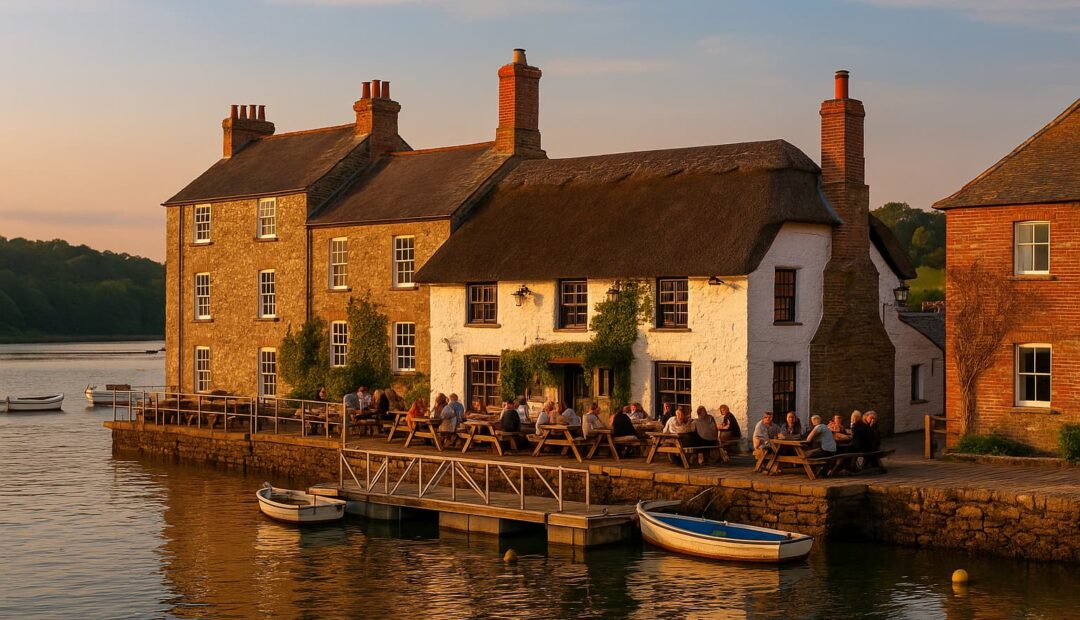
England’s traditional pubs offer an experience far beyond food and drink. They are gateways to local culture, preserved history, and landscapes that reveal the true character of the country. Many stand in locations where nature and architecture blend seamlessly—on cliff tops, riverbanks, harbours, forests, and hillsides shaped by centuries of human life.
This guide explores 11 remarkable English pubs where historic heritage meets extraordinary scenery. Each one tells a unique story built through generations, wars, storms, legends, and community life. Whether you are planning a countryside road trip, a coastal holiday, or simply searching for a memorable place to enjoy a meal with a view, these pubs demonstrate why the English public house remains a cherished national treasure.
Introduction
The pub, short for “public house,” has been at the heart of English social life for centuries. More than simply places to drink, pubs originally served practical needs: travellers required shelter, farmers needed meeting points, fishermen waited for favourable tides, and villages gathered to discuss matters affecting their community. Over time, pubs evolved into local landmarks that preserved memories, culture, folklore, and identity.
Across England, many pubs occupy sites of historic importance—former coaching inns along horse-drawn carriage routes, harbour taverns used by sailors, and stone buildings positioned against rugged landscapes that define regional character. Their interiors often reflect centuries of change: hand-carved beams, stone floors polished smooth by footsteps, fireplaces blackened by generations of winter fires, and walls displaying maritime maps or agricultural tools used long before modern machinery.
This article highlights eleven exceptional pubs that combine history and spectacular scenery. Each section explores its heritage, surroundings, architectural uniqueness, and reasons why it continues to attract visitors from around the world. These pubs serve as reminders of England’s layered past and offer travellers the priceless opportunity to enjoy breathtaking views while connecting with stories that shaped the nation.
The 11 Most Scenic and Historic Pubs in England
1. The Tan Hill Inn – Yorkshire Dales
Britain’s Highest Pub
The Tan Hill Inn, located 1,732 feet above sea level, is officially the highest pub in the United Kingdom, standing in complete isolation among the sweeping moorlands of the Yorkshire Dales. The surrounding wilderness stretches uninterrupted for miles, offering horizon-wide skies and views that transform dramatically with changing weather.
History and Local Significance
The inn dates back to the 17th century and originally served miners from the local coal pits. When mining declined, the pub became essential to remote farmers, shepherds, and travellers who crossed the moors. Tan Hill is widely known for its snowstorms, and there are many true accounts of visitors being trapped inside for days—turning the pub into a temporary refuge complete with music and storytelling.
What Makes It Special
• Panoramic scenery of open moorland
• Stargazing due to low light pollution
• An authentic rural experience that feels unchanged by time
2. The Lulworth Cove Inn – Dorset
A Pub Beside a Geological Wonder
Located in the heart of Lulworth Cove, one of the most iconic coastal formations in England, this 19th-century inn offers extraordinary views of chalk cliffs curving around a crystal-blue bay. The area forms part of the Jurassic Coast, a UNESCO World Heritage Site known for fossils and ancient rock formations.
Historical Background
The inn began as a coaching stop for horses and mail carriages travelling along the coastal routes. Due to its remote position, it became a refuge for sailors and traders, and local records describe periods where smuggling quietly supplemented fishing income.
Why Visitors Love It
• Spectacular views of the cove from outdoor terraces
• Access to cliff-top walks and nature paths
• Family-friendly coastal dining environment
3. The Pilot Inn – Dungeness, Kent
A Pub in England’s Most Unusual Landscape
Dungeness is described as England’s only desert due to its vast shingle expanse, unique climate, and wild, windswept scenery. Standing here feels like being at the edge of the world—open horizon, abandoned boats, and dramatic skies shaped by the sea.
A Historic Smugglers’ Haven
Established in the 1600s, The Pilot Inn is deeply connected to maritime smuggling. Remote beaches and lack of local law enforcement made it an ideal place to hide contraband goods. Many tales describe coded lantern signals and secret meeting points along the shoreline.
What Makes It Unique
• Minimalist natural beauty unlike anywhere else in England
• Proximity to nature reserves and birdwatching sites
• Coastal walks and dramatic photography opportunities
4. The Ship Inn – Mousehole, Cornwall
A Storied Harbour Pub
Located in the historic fishing village of Mousehole, The Ship Inn overlooks a peaceful harbour surrounded by stone walls and colourful boats. The view is particularly striking at sunset when the sea turns copper-gold.
A Heroic Local Story
The pub is known for the legend of Tom Bawcock, a fisherman who risked his life to save the village from starvation during a vicious winter storm. The annual celebration, known as “Tom Bawcock’s Eve,” preserves this powerful story.
Why It Stands Out
• One of Cornwall’s most atmospheric coastal pubs
• Deep connection to community heritage
• A picturesque setting ideal for slow coastal exploration
5. The Drunken Duck Inn – Lake District
Nestled Among Hills and Lakes
Perched in the fells above Ambleside, this pub offers sweeping views across the Lake District National Park—considered among the most beautiful landscapes in England. The surrounding region inspired famous writers including William Wordsworth and Beatrix Potter.
A Curious Origin Story
The pub’s unusual name is linked to a local legend involving ducks accidentally consuming spilled fermenting liquid and being found unconscious, only to recover shortly afterwards—causing celebrations and the naming of the inn.
Reasons to Visit
• Outstanding food and on-site brewery ales
• Panoramic walking trails
• Cosy interiors perfect for resting after hikes
6. The Pandora Inn – Cornwall
A Thatched Waterfront Treasure
Standing directly over the water on Restronguet Creek, The Pandora Inn features a long pontoon where diners can sit surrounded by boats and tides. Originally built in the 1200s, it is one of the oldest pubs on this list.
Rebuilding an Icon
In 2011, a major fire destroyed much of the structure. The community supported an extensive restoration project using traditional craftsmanship to preserve its original character.
Why Visitors Recommend It
• Arrive by boat or paddleboard
• 360-degree waterfront views
• Authentic medieval architectural features
7. The Anchor Inn – Seatown, Dorset
A Pub with a Dramatic Cliffside Location
The Anchor Inn overlooks the Jurassic Coast from the foot of Golden Cap, the highest cliff on the entire south coast of England. From its terraces, the English Channel stretches endlessly across the horizon.
History Written by the Sea
For centuries, this stretch of coast saw shipwrecks, smugglers, and fishing tragedies due to dangerous tides. Items salvaged from wrecks were often stored or traded within coastal pubs like The Anchor.
What Makes It Remarkable
• Direct access to long-distance coastal walking routes
• Clear views that change rapidly with weather patterns
• Fresh seafood and regional produce
8. The Rock Inn – Dartmoor National Park
A Rural Coaching Inn
Built in the 18th century in the granite village of Haytor Vale, The Rock Inn served travellers crossing Dartmoor—a wild highland landscape famous for unpredictable fog and folklore.
Legends and Landscape
Dartmoor has inspired countless ghost stories and myths, and its windswept tors and ponies create a timeless sense of drama. The region’s history includes tales of prisoners, miners, and secret trade routes.
Why It Appeals to Visitors
• Beautiful views of open moorland
• Numerous walking and climbing routes
• Quiet, traditional, rural atmosphere
9. The Trout Inn – Oxfordshire
A Riverside Retreat
Situated beside the River Thames, The Trout Inn offers graceful views of flowing water, stone bridges, swans, and willow trees. It has been a popular gathering place for writers, students, and travellers for centuries.
Architectural and Cultural Value
Part of the charm lies in its old watermill features and wooden bridge. The area surrounding the pub has inspired scenes in television and literature, adding to its cultural importance.
Why It Continues to Attract Visitors
• Peaceful riverfront dining
• Close to historic Oxford
• A blend of scenic beauty and literary heritage
10. The Coombe Cellars – Devon
A Pub on the Estuary
Overlooking the Teign Estuary, The Coombe Cellars offers expansive water views framed by forested hills and fishing boats. The calm tidal waters create a reflective landscape that changes throughout the day.
Tunnels Beneath the Floors
Local legends suggest that underground passages once moved illegal goods from ships inland. Estuary pubs were often deeply connected to trade—both legal and secret.
Visitor Highlights
• Large terraces directly overlooking water
• Relaxed environment for families and walkers
• A classic example of Devon coastal culture
11. The Old Nags Head – Edale, Peak District
Gateway to the Pennine Way
Dating back to 1577, The Old Nags Head marks the beginning of the Pennine Way, one of Britain’s most famous long-distance walking trails. Surrounded by dramatic hills and valleys, the pub serves as a symbolic starting point for many hikers.
A True Derbyshire Original
With stone walls, aged wood interiors, and locally brewed ales, the pub embodies centuries of rural life and tradition.
What Makes It Special
• Inspiring landscape views
• A historic resting place for adventurers
• Year-round rural hospitality
Comparison Table
| Pub | Location | Historical Importance | Scenic Setting | Experience |
|---|---|---|---|---|
| Tan Hill Inn | Yorkshire Dales | Highest pub in Britain | Wild open moorlands | Remote and dramatic |
| Lulworth Cove Inn | Dorset | Former coaching inn | UNESCO Jurassic Coast | Coastal walking hub |
| The Pilot Inn | Kent | Smugglers’ landmark | Shingle desert landscape | Raw natural beauty |
| The Ship Inn | Mousehole | Fishing heritage | Harbour setting | Community-centred pub |
| Drunken Duck Inn | Lake District | Folklore origins | Hill and lake views | Elevated dining |
| Pandora Inn | Cornwall | 13th-century origins | Waterfront creek | Dine on floating pontoon |
| Anchor Inn | Dorset | Shipwreck history | Golden Cap cliffs | Stunning coastal panoramas |
| Rock Inn | Dartmoor | Historic coaching stop | Moorland views | Perfect for walkers |
| Trout Inn | Oxfordshire | Riverside literary link | River Thames | Peaceful landscapes |
| Coombe Cellars | Devon | Smuggling history | Teign Estuary | Relaxed waterside dining |
| Old Nags Head | Peak District | Pennine Way start | Mountain valleys | Iconic hiking pub |
FAQs
1. Why are historic pubs important to English culture?
Historic pubs preserve the heritage of community life stretching back centuries. They served as centres for travel, communication, trade, and gatherings long before modern infrastructure. Many are tied to important events—from mining and fishing history to military and maritime developments. Their artefacts, architecture, and stories offer insight into the everyday lives of ordinary people, allowing modern visitors to experience tangible history in its original environment. They remain essential social spaces where tradition and community identity continue to thrive.
2. Are scenic historic pubs suitable for families and non-drinkers?
Yes. Many historic scenic pubs are designed for all types of visitors, including families, walkers, and tourists who simply wish to enjoy views, meals, and cultural experiences. Pubs typically offer a choice of non-alcoholic beverages, traditional dishes, children’s menus, and outdoor seating. Their locations encourage walking, exploring nature, and learning about heritage rather than focusing solely on drinking. These establishments provide inclusive environments that welcome travellers from different backgrounds and create memorable shared experiences.
3. What common architectural features define traditional historic pubs?
Historic pubs often retain original features such as exposed beams, stone floors, slate roofs, fireplaces, candle lighting, and timber-framed structures. Interiors may display maritime tools, agricultural instruments, paintings, photographs, or plaques recording local events and legends. Many include garden seating with scenic surroundings. Unlike modern venues driven by uniform design, historic pubs prioritise authenticity and craftsmanship, offering warm, character-rich settings that reflect regional identity, community stories, and the continuity of life across generations.
4. Can visitors stay overnight in some of these scenic historic inns?
Yes. Many of the pubs described operate as full inns, offering rooms decorated with traditional or rustic design elements. Staying overnight allows guests to enjoy quieter evening and morning views, experience genuine countryside calm, and explore surrounding trails or coastal routes without rushing. Rooms vary from modest and comfortable to boutique luxury. Overnight stays provide deeper personal engagement with local history and landscape and create meaningful travel experiences shaped by the pace and atmosphere of rural England.
5. Do scenic historic pubs typically serve local food and drink?
Yes. Many scenic historic pubs emphasise locally sourced produce, supporting regional farmers, fishermen, brewers, and artisan food makers. Menus often feature traditional dishes unique to the area, such as seasonal meats, fish caught nearby, regional cheeses, and hand-crafted desserts. Many pubs serve local ales and ciders, and some produce their own. This focus on locality strengthens community identity, promotes sustainability, and allows visitors to enjoy flavours rooted in place, culture, and tradition.
6. Why do scenic locations enhance the experience of visiting a historic pub?
Natural scenery enhances emotional connection, relaxation, and travel satisfaction. Whether overlooking cliffs, rivers, mountains, or harbours, scenic views make each moment more memorable and create a sense of timeless appreciation for both landscape and heritage. Visitors are able to pause, observe, and reflect—something increasingly rare in modern life. The combination of preserved architecture, peaceful surroundings, and storytelling atmosphere allows historic pubs to offer deeper and more meaningful cultural experiences.
7. Why should travellers visit historic pubs instead of modern bars or chain venues?
Historic pubs provide irreplaceable cultural value not found in modern bars. They preserve regional character, storytelling traditions, and authentic heritage rooted in centuries of social life. Unlike chain venues, which prioritise uniform design, historic pubs showcase craftsmanship, community history, and unique architectural identity. Visitors enjoy real atmosphere, heartfelt hospitality, scenic beauty, and the opportunity to learn about the lives of earlier generations, making the experience richer, more educational, and more emotionally fulfilling.
Conclusion
Historic scenic pubs represent far more than dining spaces. They are cultural landmarks that preserve England’s living history, offering windows into the landscapes and communities that shaped national identity. Each location featured in this guide invites visitors to engage with the country’s heritage through real stories, carefully preserved architecture, and views that capture the soul of England’s countryside and coastline.
From windswept highland moors to tranquil riversides and dramatic coastal cliffs, these pubs celebrate the enduring spirit of hospitality and the timeless connection between people and place. For travellers seeking cultural depth, natural beauty, and meaningful experiences, England’s historic scenic pubs offer unforgettable moments that blend the past with the present in truly inspiring surroundings.