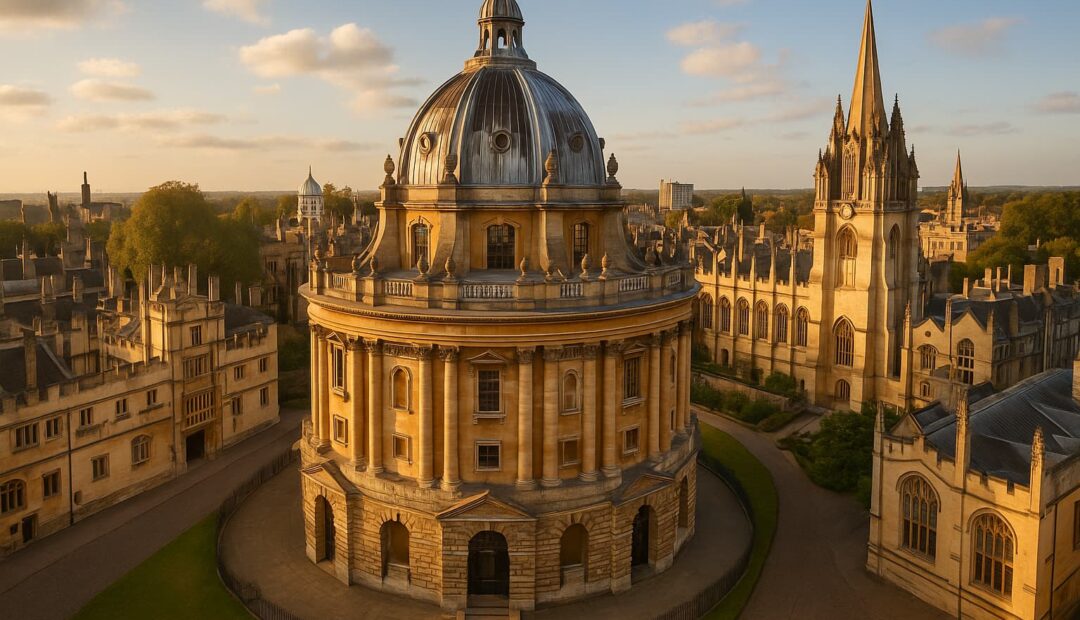
England is home to some of the most respected universities in the world. From historic colleges in ancient cities to ultra-modern STEM powerhouses, each institution offers a very different experience, teaching style, and career pathway. Knowing those differences is the key to choosing wisely.
In this in-depth guide, you will find a clear, practical overview of 15 leading universities in England. For each one, we break down strengths, campus life, academic culture, research profile, and who it suits best. Whether you are planning undergraduate, postgraduate, or research study, this article is designed to give you almost everything you need in one place.
Introduction
Selecting the right university is one of the most defining choices in a student’s academic and personal life. England remains one of the most respected and desirable destinations for higher education globally, known for academic heritage, research innovation, multicultural learning environments, and internationally recognised qualifications. Students from all over the world compete for places in English institutions due to their strong academic reputation, modern teaching facilities, and direct pathways to influential career sectors.
This comprehensive guide examines 15 of the best universities in England, offering an analytical and structured understanding of what makes each institution distinctive. It highlights teaching approaches, research excellence, campus culture, lifestyle differences, employability outcomes, and the types of students each university best suits. The aim is to provide a single resource that enables informed decision-making, allowing applicants to compare academic environments, learning philosophies, and lifestyle considerations all in one place.
Quick Comparison Table
| Rank | University | Location | Distinguishing Strengths | Environment |
|---|---|---|---|---|
| 1 | University of Oxford | Oxford | Tutorial system, global prestige, research depth | Collegiate, historic |
| 2 | University of Cambridge | Cambridge | STEM excellence, research leadership | Collegiate, historic |
| 3 | Imperial College London | London | STEM and medical powerhouse | Urban, high-tech |
| 4 | University College London | London | Multidisciplinary, very international | Urban |
| 5 | London School of Economics | London | Social sciences specialist | Urban |
| 6 | University of Manchester | Manchester | Large research university, strong employability | Metropolitan |
| 7 | King’s College London | London | Health sciences, law, humanities | Urban multi-campus |
| 8 | University of Bristol | Bristol | Academic balance, civic engagement | Mid-size city |
| 9 | University of Warwick | Near Coventry | Business, economics, maths | Campus-based |
| 10 | University of Birmingham | Birmingham | Red-brick tradition, broad options | Campus-city blend |
| 11 | University of Sheffield | Sheffield | Engineering and affordability | Student-friendly |
| 12 | University of Leeds | Leeds | Student experience and course range | Large city |
| 13 | University of Nottingham | Nottingham | Campus life and global campuses | Campus-city mixed |
| 14 | University of Southampton | Southampton | Engineering and maritime research | Coastal |
| 15 | University of Exeter | Exeter | Student satisfaction and environment | Scenic, compact |
DETAILED UNIVERSITY PROFILES
1. University of Oxford
Overview
The University of Oxford is the oldest university in the English-speaking world and widely considered one of the most prestigious globally. It enrols exceptionally high-achieving students and is known for academic intensity and intellectual discipline. Oxford offers a distinctive tutorial-based teaching system, enabling close analytical work with expert academics. Its historic collegiate environment, extensive research output and influential alumni network make it a leading destination for students seeking rigorous scholarship and global career opportunities.
Academic Strengths
- Leading research in medicine, physics, maths, computer science, philosophy, history, economics and more
- Globally respected degrees, heavily theory-driven but rooted in rigorous critical thinking
- The tutorial system, in which students meet weekly in very small groups with experts, is central to learning
Research and Innovation
Oxford is a major global research centre with vast external funding and strong links to industry, government and NGOs. It played a leading role in recent vaccine development and contributes significantly to climate science, AI ethics, public policy, and biomedical research.
Student Life and Campus Culture
- Colleges provide accommodation, dining halls, libraries, common rooms, and social life
- Traditions include formal dinners (“formal hall”), rowing on the River Thames (Isis), and college rivalries
- The city is compact, walkable, and steeped in history, ideal for students who enjoy an intense academic environment
What Makes Oxford Unique
Oxford combines extremely high academic standards, a personalised teaching model, global networks, and a distinct collegiate culture. It is best suited to highly self-motivated students who enjoy independent study, close engagement with academic staff, and living in a small but culturally rich city.
2. University of Cambridge
Overview
The University of Cambridge is internationally recognised for excellence in scientific discovery, mathematics, engineering and research-driven education. It offers a structured academic system supported by close supervision from expert scholars. Cambridge has a long history of producing leading scientists, writers, economists and innovators who have shaped global progress. Its collegiate community, vibrant intellectual culture, and scenic riverside setting create a disciplined yet inspiring academic environment designed for focused learning and high-level inquiry.
Academic Strengths
- Outstanding in mathematics, physics, engineering, computer science, natural sciences, and economics
- Strong reputation in English, history, modern languages, and philosophy
- The supervision system (similar to Oxford’s tutorials) allows deep discussion of work in very small groups
Research and Innovation
Cambridge is at the heart of “Silicon Fen”, a technology cluster of start-ups and research companies. The university’s research output influences everything from quantum computing to biomedical engineering and climate modelling.
Student Life and Campus Culture
- Collegiate system with historic courts, chapels and gardens
- Rowing on the River Cam, college formals, subject societies, music and theatre
- A quieter, somewhat more contained environment than a large city, but with excellent cultural and entrepreneurial activity
What Makes Cambridge Unique
Cambridge is ideal for students who want a highly structured academic programme, strong mentoring, and access to cutting-edge science and technology ecosystems, while still enjoying a traditional, collegiate student experience.
3. Imperial College London
Overview
Imperial College London is a world-leading specialist university focused on science, engineering, technology, mathematics, medicine, and business. It offers an intensely practical and research-oriented approach to STEM education. Located in the heart of London, it provides exceptional access to laboratories, hospitals, industry partners, and entrepreneurial opportunities. Students benefit from cutting-edge teaching, modern facilities and a culture of innovation that encourages real-world technological advancement and hands-on problem solving.
Academic Strengths
- Mechanical, civil, electrical and computing engineering
- Physics, chemistry, materials science, mathematics and data science
- Medicine and public health, often in partnership with major London hospitals
- Imperial College Business School for analytically driven business programmes
Research and Innovation
Imperial is deeply embedded in London’s innovation ecosystem. It supports start-ups, spin-outs, and collaboration with industry in areas such as robotics, AI, cleantech, biomedical devices and energy systems. Research is strongly applied and often commercialised.
Student Life and Campus Culture
- Main campus in South Kensington, close to museums and cultural landmarks
- A high proportion of international students and staff
- Heavy workload and strong STEM focus; social life is lively but often centred on societies within departments and halls
What Makes Imperial Unique
If you want an intensely technical, research-driven education with direct exposure to high-impact science and engineering, Imperial is one of the strongest choices in Europe. It suits students who are comfortable in a demanding, urban environment and who enjoy working with cutting-edge technology.
4. University College London (UCL)
Overview
University College London is a major multidisciplinary university offering a broad spectrum of subjects from arts, humanities, law and social sciences to engineering, computing, neuroscience, global health and architecture. Known for its international outlook and open academic culture, UCL attracts students from more than 150 countries. It combines rigorous academic training with modern research facilities and extensive cultural and professional opportunities due to its central London location and strong institutional partnerships.
UCL describes itself as “London’s Global University”. It offers a very broad academic portfolio, from architecture, languages and law to astrophysics, neuroscience and engineering. It is consistently ranked within the top UK universities and among the top global institutions.
Academic Strengths
- Architecture, planning and the built environment
- Arts and humanities, including English, history and languages
- Law, politics, social sciences and public policy
- Engineering, computer science, neuroscience, medicine, and global health
Research and Innovation
UCL is highly research-intensive, with strong cross-disciplinary institutes in areas such as AI, global health, education, and sustainable cities. It has close ties with London’s hospitals, cultural institutions, and government departments.
Student Life and Campus Culture
- Central London campus near the British Museum and major libraries
- Very international student body, with students from more than 150 countries
- Wide range of clubs and societies, from academic groups to performance and activism
What Makes UCL Unique
UCL is ideal for students who want intellectual breadth, urban living, and international diversity, and who value the chance to mix disciplines. It offers both traditional academic rigour and a progressive outlook.
5. London School of Economics and Political Science (LSE)
Overview
The London School of Economics is a globally influential institution specialising in the study of economics, politics, international relations, sociology, law, public policy, and social research. Although smaller than many universities, its global impact on governments, financial institutions, NGOs and corporations is significant. Students engage with current global issues, policy debates and leading academic thinkers. LSE’s location provides direct access to political and financial centres, internships and international networks.
Academic Strengths
- Economics and econometrics
- International relations and global politics
- Social policy, development, sociology and anthropology
- Law, especially international and commercial law
- Data science and social research methods
Research and Innovation
LSE’s research is widely used by governments, international organisations, NGOs and think tanks. It plays a strong role in debates about inequality, climate policy, financial regulation, development and migration.
Student Life and Campus Culture
- Compact campus in central London, close to the City and Westminster
- Very high proportion of international students
- Intellectually intense: lectures by world leaders, policy makers and Nobel laureates are frequent
- Social life often revolves around ideas, debates and networking
What Makes LSE Unique
LSE is best suited to students who see themselves working in policy, finance, consulting, international organisations, media, or academia in the social sciences. It offers a dense, urban, highly networked experience rather than a traditional campus feel.
6. University of Manchester
Overview
The University of Manchester is one of the largest and most research-intensive universities in England. It has a strong reputation for innovation, social impact, and graduate employability. Manchester offers extensive subject options, world-class research facilities and strong industry links. The university’s diverse student population and vibrant urban environment provide an active and dynamic setting for learning. It is widely known for balancing academic excellence with strong career-focused education.
Academic Strengths
- Engineering and physical sciences
- Life sciences and medicine
- Business, management and finance
- Social sciences, including politics, sociology, and development studies
- Humanities, especially history, languages and cultural studies
Research and Innovation
Manchester has a rich scientific legacy, including the discovery of graphene. Today it hosts major research centres in materials, advanced manufacturing, energy, and health. The university also works closely with industry and local government on innovation and urban development.
Student Life and Campus Culture
- Located in a large, vibrant city with strong music, arts and sports scenes
- Very large student population creates a strong student community
- A wide range of societies, volunteering and part-time work opportunities
- Diverse and relatively affordable compared with London
What Makes Manchester Unique
Manchester is ideal for students who want scale, diversity and a city lifestyle alongside access to high-level research and strong employer links. It is especially attractive for students interested in combining academic study with work experience and extracurricular engagement.
7. King’s College London (KCL)
Overview
King’s College London is a multi-campus research university with major strengths in health sciences, law, humanities, security studies and the social sciences. Its close relationship with leading London hospitals and medical institutions supports world-leading biomedical research. With several campuses located along the River Thames, King’s offers a unique blend of academic tradition and urban energy, attracting students seeking professional pathways and interdisciplinary study in an international setting.
Academic Strengths
- Medicine, dentistry, nursing and biomedical sciences (strong hospital links)
- Law and international relations
- History, English, theology and culture
- War studies, defence and security
Research and Innovation
King’s is closely integrated with major London hospitals and research institutes, especially in neuroscience, psychiatry, cancer and cardiovascular disease. In the humanities and social sciences, it is known for research on conflict, security, and policy.
Student Life and Campus Culture
- Multiple campuses (Strand, Guy’s, Waterloo, Denmark Hill) embedded in the city
- Active student union with societies ranging from performing arts to political campaigning
- Strong health-profession culture combined with a large population of arts and social science students
What Makes King’s Unique
King’s suits students who want a central London experience, strong professional paths in healthcare or law, and the opportunity to engage with both traditional academic disciplines and contemporary global issues.
8. University of Bristol
Overview
The University of Bristol is a highly selective red-brick university known for academic excellence, research strength and strong career outcomes. It offers a broad range of disciplines supported by notable research activity in engineering, policy, environmental studies, and social sciences. Its location within a culturally creative and socially engaged city enriches the student experience. Bristol is known for its independent character, vibrant atmosphere and active student community.
Academic Strengths
- Engineering and computer science
- Mathematics, physic,s and earth sciences
- Law, politics, sociology, and social policy
- Economics, managemen,t and innovation
- Arts and modern languages
Research and Innovation
Bristol is active in aerospace, quantum technologies, climate science, public policy, and social justice research. It works closely with local and global industry, including the aerospace and creative sectors.
Student Life and Campus Culture
- Bristol is known for its music, street art, café culture, and independent spirit
- Student communities are strong, with a reputation for being politically and socially engaged
- The city is medium-sized and very livable, with good access to the countryside and coastal areas
What Makes Bristol Unique
Bristol is ideal for students who want a highly regarded academic environment in a creative, liberal, and energetic city, with strong career prospects, particularly in engineering, finance, tech, and public service.
9. University of Warwick
Overview
The University of Warwick is a modern, research-focused university recognised for excellence in business, economics, mathematics, social sciences and interdisciplinary study. Its self-contained campus provides extensive academic, cultural and leisure facilities. Warwick emphasises analytical skills, enterprise and collaboration with industry. It is known for high academic performance, strong graduate outcomes and an international perspective with global partnerships and exchange opportunities.
Academic Strengths
- Warwick Business School (WBS), highly ranked in the UK and Europe
- Economics, mathematics and statistics
- Politics, international studies, and sociology
- Modern languages, English and cultural studies
- Engineering and computer science
Research and Innovation
Warwick invests heavily in interdisciplinary research, with centres focused on sustainable development, global governance, data science, and manufacturing. Its business school collaborates closely with companies and public organisations.
Student Life and Campus Culture
- Self-contained campus with academic buildings, accommodation, arts centre, sports facilities and shops
- Very active student union and societies, including debating, entrepreneurship, arts and sports
- Easy travel to Coventry, Birmingham and London
What Makes Warwick Unique
Warwick is perfect for students who want a modern campus university with strong analytical and business-oriented strengths, plus good access to major cities without living in the middle of one.
10. University of Birmingham
Overview
The University of Birmingham is one of the UK’s oldest civic universities and a founding member of the Russell Group. It offers extensive subject choices across sciences, engineering, arts, humanities and social sciences. Its research portfolio spans advanced manufacturing, energy, public health and global studies. Birmingham’s campus setting blends traditional architecture with modern facilities, offering a balanced and active student lifestyle in a major metropolitan area.
Academic Strengths
- Engineering, especially civil and mechanical
- Business, management and economics
- Medicine and health sciences
- History, theology, languages and culture
- Social policy and international development
Research and Innovation
Birmingham’s research covers everything from railway engineering and energy systems to cancer, immunology and global ethics. It has strong partnerships with industry and public bodies in the Midlands region and beyond.
Student Life and Campus Culture
- Classic campus with red-brick buildings, a clock tower and extensive green space
- Large, diverse student community with many clubs and societies
- Birmingham city offers music, food, sport, and a relatively affordable cost of living
What Makes Birmingham Unique
Birmingham offers a traditional university experience combined with the benefits of a major, dynamic city. It balances strong research credentials with a friendly campus atmosphere and good graduate outcomes.
11. University of Sheffield
Overview
The University of Sheffield is recognised for its strengths in engineering, architecture, planning, social sciences and healthcare. Known for excellent student satisfaction and affordability, Sheffield offers strong community values and access to outdoor recreation. Its focus on research partnerships, industry collaborations and innovation in applied science contributes significantly to national and international development. Students benefit from a supportive, friendly and academically driven environment.
Academic Strengths
- Engineering (particularly materials, mechanical, and civil)
- Architecture and urban planning
- Politics, international relations and journalism
- Psychology, medicine and dentistry
- Music and creative arts
Research and Innovation
Sheffield has strong research institutes in advanced manufacturing, robotics, energy, and healthcare technologies. It works closely with the Advanced Manufacturing Research Centre (AMRC) and global industrial partners.
Student Life and Campus Culture
- Sheffield is a green, hilly, and relatively affordable city, close to the Peak District National Park
- Student life is vibrant but less hectic than larger metropolitan areas
- Strong culture of volunteering, community engagement and outdoor activities
What Makes Sheffield Unique
Sheffield is best for students who value high-quality teaching and research combined with an affordable, friendly, and outdoors-oriented lifestyle, beautiful to engineers and social scientists.
12. University of Leeds
Overview
The University of Leeds is a large and diverse institution known for strong teaching quality, research capability and an energetic student community. It offers extensive subject options and encourages interdisciplinary learning. Leeds is strongly connected to creative industries, business and media sectors, providing many internship and placement routes. Its city-integrated campus and student experience reputation attract applicants seeking both academic rigor and social engagement.
Academic Strengths
- Business, marketing and management
- Law, politics and social sciences
- Engineering and computing
- English, history, fine art, and performance
- Environment, earth sciences and sustainability
Research and Innovation
Leeds has key research strengths in healthcare, climate, transport, cultural studies, and data analytics. It collaborates with industry and the public sector across the north of England and internationally.
Student Life and Campus Culture
- Campus within walking distance of Leeds city centre
- Dynamic nightlife, music and cultural scene
- Wide variety of student societies, including sports, arts, media and enterprise
- Popular with both UK and international students looking for a big-city experience
What Makes Leeds Unique
Leeds offers a large, social and busy student experience with serious academic backing. It is ideal for those who want choice, energy and good links to employers, particularly in business, media and the creative industries.
13. University of Nottingham
Overview
The University of Nottingham is a major teaching and research university with attractive campus facilities, strong academic programmes, and an international focus. It operates additional campuses in Asia, allowing distinctive cross-cultural exchange opportunities. Nottingham is especially respected for clinical sciences, pharmacy, engineering, business and environmental research. Its balance of campus life, city accessibility and global reach makes it a popular option for domestic and international students.
Academic Strengths
- Pharmacy, life sciences and biosciences
- Engineering and architecture
- Business and economics
- Education, English and politics
- Environmental sciences and agriculture
Research and Innovation
Nottingham is active in areas like drug discovery, sustainable chemistry, manufacturing, and education policy. Its international campuses enable comparative research and global mobility.
Student Life and Campus Culture
- The main University Park campus is green, spacious and well-equipped
- Nottingham city offers a busy nightlife, sports, and cultural events
- Students can take part in study abroad or inter-campus exchanges
What Makes Nottingham Unique
Nottingham is suited to students who want a traditional campus feel, strong science and professional courses, and the option to engage with international campuses during their degree.
14. University of Southampton
Overview
Academic Strengths
- Electronics and computer science
- Mechanical and aeronautical engineering
- Oceanography, maritime and environmental sciences
- Music, archaeology and modern languages
- Business and social sciences
Research and Innovation
Southampton is home to leading research centres in marine science, maritime engineering, web science, acoustics, and photonics. It collaborates with shipping, aerospace, and technology industries and with global scientific organisations.
Student Life and Campus Culture
- Main campus at Highfield with additional sites closer to the city and waterfront
- Southampton offers a mix of port city character, cultural venues, and easy access to the Isle of Wight and New Forest
- Strong sailing and watersports culture for those interested
What Makes Southampton Unique
Southampton is ideal for students aiming at engineering, digital, or maritime careers, who also enjoy a coastal environment and a mid-sized city lifestyle.
15. University of Exeter
Overview
The University of Exeter is known for excellent student satisfaction, attractive campuses and strong academic programmes in humanities, environmental sciences, business and social sciences. It emphasises student wellbeing, academic support and sustainability. Located in a scenic region near the coastline and countryside, Exeter offers a focused and friendly university environment with modern facilities and high-quality research activity.
Academic Strengths
- English, history and archaeology
- Business and management
- Environmental sciences and geography
- Sports science and psychology
- Renewable energy and climate-related disciplines
Research and Innovation
Exeter has research centres focused on climate change, environmental futures, global governance and health. Its work is often interdisciplinary, connecting science, the humanities and policy.
Student Life and Campus Culture
- Main campus on a hill overlooking the city, with extensive green space and modern facilities
- Exeter is a smaller city with a safe, relaxed feel and quick access to beaches and national parks
- Strong sense of community, with many students living on or near campus
What Makes Exeter Unique
Exeter is best for students who want a scenic, community-oriented environment, good academic performance, and strong support systems, particularly appealing for those interested in the environment, humanities, and business.
How to Use This Information When Choosing a University
When comparing these 15 universities, consider the following practical questions:
- What subject do you want to study?
- STEM and medicine: Imperial, Cambridge, Oxford, Manchester, Southampton, Sheffield, Nottingham.
- Business and economics: LSE, Warwick, Manchester, Leeds, Bristol, Nottingham, Exeter.
- Humanities and social sciences: Oxford, Cambridge, UCL, King’s, LSE, Bristol, Exeter.
- What kind of environment do you prefer?
- Historic collegiate towns: Oxford, Cambridge.
- Central London urban life: Imperial, UCL, LSE, King’s.
- Large cities: Manchester, Birmingham, Leeds, Sheffield.
- Campus-based with space and greenery: Warwick, Nottingham, Exeter, Southampton, Bristol.
- How important are cost and lifestyle?
- London is generally more expensive. Cities such as Sheffield, Leeds, Nottingham and Exeter are often more affordable in terms of accommodation and daily costs.
- Do you want strong research and global prestige?
All 15 have solid reputations, but for global name recognition, Oxford, Cambridge, Imperial, UCL, and LSE stand out; for strong research plus excellent student life and value, universities such as Manchester, Bristol, Warwick, Birmingham and Leeds are excellent choices.
Frequently Asked Questions
1. Are Russell Group universities always the best choice?
Russell Group universities are known for strong research output, funding and academic prestige. However, they are not automatically the best choice for every student or subject. Some non-Russell institutions offer outstanding teaching and specialist strengths in particular disciplines. Choosing a university should be based on course quality, academic fit, learning environment, support systems, entry requirements and personal goals. Rankings and brand recognition are helpful indicators, but they should not outweigh programme content or overall student experience.
2. How important are rankings when choosing a university?
Rankings provide a useful overview of research reputation, teaching quality and graduate success, making them a helpful reference when beginning comparisons. However, they do not fully reflect the student experience or suitability of a specific programme. Course structure, laboratory or studio facilities, assessment methods, placement opportunities and environment may be more critical. It is advisable to review subject-specific rankings and compare multiple indicators before making a decision. Rankings are a guide, not a complete decision tool.
3. What are the advantages of studying in London compared to other cities?
London offers extensive professional opportunities, cultural diversity, access to government and global industries, world-class museums, major hospitals and exceptional networking potential. However, living costs are significantly higher than in other English cities, and the pace of life can feel intense. Students seeking quieter, closer-knit environments may prefer campus-based universities or smaller cities. London suits highly independent students prepared for a competitive and fast-moving environment who want to take advantage of major industry connections.
4. Which universities are best for international students?
Universities with large international communities and comprehensive support services tend to be the most comfortable options for international students. Institutions such as UCL, Manchester, Nottingham, Leeds, Bristol, Exeter and London-based universities offer orientation programmes, language support and cultural societies. Campus-based universities like Warwick or Exeter can provide more personalised support and community cohesion, while larger city universities offer diversity and broader networking. Students should compare accommodation availability, visa support and pastoral services.
5. How do I compare courses between universities?
Start by reviewing module lists, teaching style, assessment types, placement or study abroad options and research opportunities. Check professional accreditations for subjects like engineering, architecture, psychology and business. Explore graduate destinations and industry partnerships. Contacting admissions teams, attending open days, speaking with current students and reviewing sample lectures provides deeper insight. Subject-level rankings are more accurate than institutional rankings. The best course choice aligns with academic interests, learning preferences and career goals.
6. Does studying at a top university guarantee employment?
A degree from a highly ranked university can open doors and attract employer interest, but employment success also depends on personal performance, experience, internships, activities and networking. Students who actively engage with careers services and build practical skills tend to secure stronger outcomes. Many universities outside the highest prestige tier have excellent industry links and placement programmes. Success is influenced by initiative, resilience and academic achievement more than reputation alone.
7. What factors should I consider if I intend to pursue postgraduate study?
Consider universities with strong research groups, specialist academic staff, funded research projects and postgraduate supervision expertise. Review research environment, doctoral training programmes, publication opportunities and postgraduate career outcomes. Speak with researchers in your field and read research profiles. Funding availability, study resources and laboratory or archival access are crucial considerations. For research-oriented students, departmental alignment matters more than institutional recognition.
Conclusion
England offers a remarkable range of universities, each with unique strengths, teaching approaches and environments. From historic collegiate institutions like Oxford and Cambridge to innovation-focused universities such as Imperial and enterprise-centred campuses like Warwick, students can choose from diverse academic cultures and locations. Selecting the right university means assessing academic fit, subject interests, lifestyle preferences, community environment and long-term career goals rather than relying solely on rankings or reputation.
A well-chosen university can transform personal and professional futures. Applicants are encouraged to research widely, compare programmes, attend open days, connect with current students and reflect on what environment will support their success and wellbeing. With thoughtful decision-making, any of the fifteen universities listed here can provide an outstanding educational foundation and opportunities for lifelong growth.