England remains one of the most visually captivating destinations for travellers who love photography, storytelling, and unforgettable scenery. With its poetic countryside, spectacular coastlines, historic architecture, and cinematic urban backdrops, the country offers an extraordinary range of landscapes and atmospheres that feel as though they are crafted for the camera. From the haunting beauty of mist-covered valleys at sunrise to dazzling seaside sunsets and centuries-old streets glowing beneath lantern light, England’s charm is difficult to put into words — but easy to capture through the lens.
For Instagram enthusiasts, visual content creators, travel bloggers, and photographers at any level, this guide reveals fourteen of the most photogenic places across England. Each destination included in this list offers unique composition possibilities, breathtaking viewpoints, rich history, and stunning natural or architectural character. Whether you are planning a dedicated photography trip, curating an aesthetic Instagram feed, or simply seeking beautiful places to explore, these exceptional locations will inspire your creativity and elevate your visual storytelling.
Introduction
Photography has become an essential part of modern travel, allowing us not only to document locations but to tell stories, express emotion, and preserve moments that might otherwise fade. England provides a remarkable setting for visually immersive travel because it blends timeless heritage with contemporary culture and dramatic natural landscapes all within relatively short travel distances. You can wake up among quiet stone cottages in the Cotswolds, spend the afternoon exploring London’s architectural icons, and end the day walking along a wild coastal cliff — each scene entirely different, yet equally extraordinary through the camera lens.
What makes England particularly magical is its ability to transform with changing light and seasons. Soft spring blooms, golden summer sunsets, fiery autumn woodlands, and atmospheric winter fog each bring new dimensions to familiar places. Even rain, which visitors sometimes fear, often enhances photographs by deepening colours, creating reflective surfaces, and adding emotional depth. Whether shooting with professional equipment or a smartphone, England encourages visual creativity through both grandeur and subtlety, through sweeping vistas and quiet intimate details.
This comprehensive guide introduces fourteen of the most photogenic locations across the country, carefully selected for their visual impact, accessibility, and distinctive storytelling potential. Each section explores what makes the location unique, the best viewpoints, insider tips on light and composition, and why travellers continue to fall in love with these destinations year after year. Let this be your starting point for a journey filled with artistry, inspiration, and unforgettable photographic experiences.
The 14 Most Photogenic Spots in England
1. The Cotswolds
Timeless Countryside Beauty & Storybook Villages
The Cotswolds represents the quintessential image of the English countryside. In this enchanting region, rolling green hills meet winding lanes lined with honey-coloured limestone cottages, overflowing gardens, and medieval market squares. Often described as one of the most beautiful rural regions in Europe, the Cotswolds spans nearly 800 square miles across Gloucestershire, Oxfordshire, Wiltshire, and Warwickshire. Its peaceful rhythm, preserved architecture, and natural charm have captured the hearts of artists and photographers for generations.
Visitors often say that walking through Cotswold villages feels like stepping back in time. Stone bridges arch gracefully over shallow rivers, smoke drifts from old cottage chimneys in winter, and ancient parish churches stand quietly among grazing fields and woodland. Every turn offers a ready-made composition, whether it is a flower-covered doorway, a historical inn sign, or sheep wandering across meadowland beneath a bright open sky. The Cotswolds invites slow travel — wandering, observing, and capturing details that reflect the soul of traditional England.
Best Photographic Locations
- Arlington Row, Bibury — one of England’s most photographed streets, especially beautiful at sunrise when golden light softens stone textures.
- Bourton-on-the-Water — known as the “Venice of the Cotswolds” for its arched stone bridges and glimmering river reflections.
- Castle Combe — a picture-perfect village square framed by old stone houses and surrounded by woodland walking trails.
- Stow-on-the-Wold & Upper/Lower Slaughter — postcard village scenery ideal for cottage-lifestyle photography.
Photography Tips
Shoot during golden hour for warm, glowing tones. Use low angles near riverbanks to capture reflections and foreground layers. Focus on texture, including stone walls, old woodwork, ivy, climbing roses, and hand-painted signage.
2. London
Historic Majesty Meets Cutting-Edge Modern Design
London is a city that embraces contrast — a global capital where ancient monuments stand confidently beside futuristic glass skyscrapers, where royal tradition meets contemporary creativity, and where every neighbourhood has a distinct visual identity. For photographers, London is endlessly rewarding because of its variety, dramatic skyline, and architectural depth. From sweeping river views and symmetrical palace façades to vibrant street culture and cinematic night photography, London provides a limitless canvas for artistic expression.
Famous landmarks such as Big Ben, Tower Bridge, the London Eye, Buckingham Palace, and St Paul’s Cathedral offer iconic compositions recognised worldwide. Meanwhile, modern architectural marvels like The Shard, City Hall, and the Gherkin create striking structural silhouettes and reflective surfaces perfect for urban framing. Beyond landmarks, the city’s cultural enclaves — Notting Hill’s pastel terraces, Covent Garden’s lively markets, Shoreditch’s street art — tell stories through colour, texture, detail, and atmosphere.
Best Photographic Locations
- Tower Bridge at sunrise with the Thames reflecting pastel dawn.
- Millennium Bridge to St Paul’s Cathedral using symmetry and leading lines.
- Notting Hill & Portobello Road for colourful lifestyle photography.
- Hampstead Hill Garden & Pergola — an enchanting classical garden structure.
- Primrose Hill & Greenwich Park — panoramic skyline viewpoints.
Photography Tips
Experiment with long-exposure shots for smooth waters and light trails. Explore both high and low angles to capture the height and geometry of skyline architecture. Early morning and blue hour provide the most atmospheric lighting.
3. Lake District, Cumbria
Atmospheric Mountain Peaks & Mirror-Still Lakes
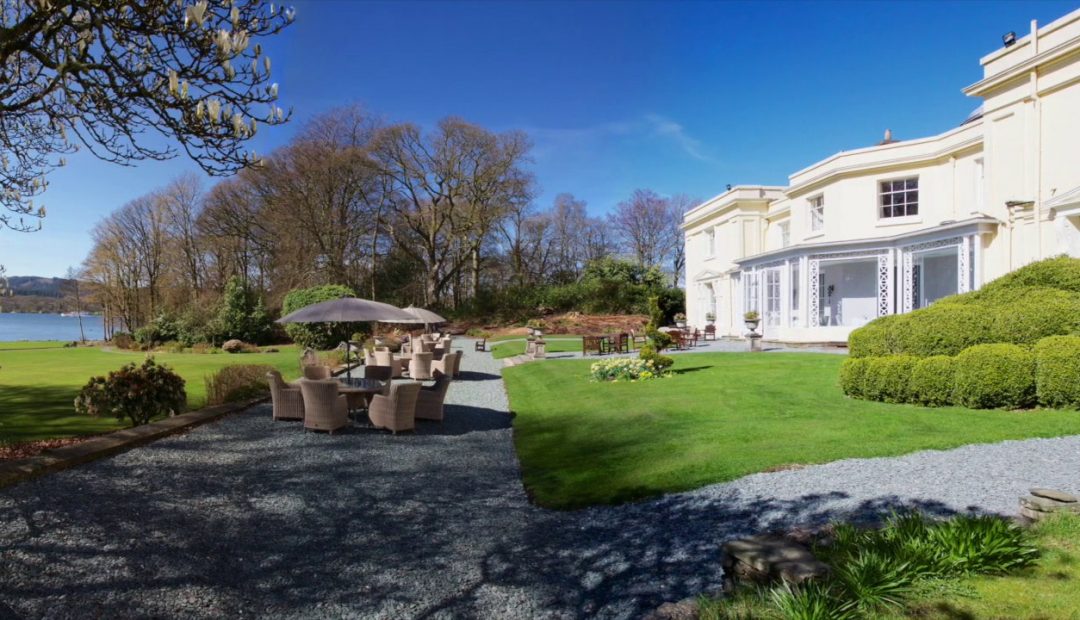
The Lake District National Park is one of the most breathtaking landscapes in England — a vast region of mountain ranges, valley forests, peaceful villages, and sixteen major lakes reflecting dramatic skies and soaring peaks. Loved by artists, explorers, poets, and adventurers, the Lake District offers endless opportunities for immersive landscape photography. Weather changes rapidly here, bathing hillsides in golden sunlight one moment and cloaking them in mist and cloud the next, creating an ever-changing visual stage.
The stillness of lake reflections, especially at sunrise, produces extraordinary mirror-effect images where water and sky become indistinguishable. Meanwhile, hiking to elevated viewpoints reveals powerful panoramic compositions showcasing the scale and majesty of nature. The emotional experience of photographing the Lake District goes beyond capturing a beautiful scene — it is about the sensation of solitude, silence, wind, and shifting light.
Best Photographic Locations
- Buttermere — one of the most celebrated reflection lakes, framed by stoic mountain ranges.
- Derwentwater jetties — perfect symmetry and leading lines for dramatic foregrounds.
- Ashness Bridge & Surprise View — classic postcard landscape view.
- Windermere shoreline — tranquil dawn photography.
Photography Tips
Autumn provides exceptional colour contrasts and morning mist. Include foreground anchors such as rocks, boats, reeds, or tree branches for layered composition. Sunrise is best for still waters and quiet ambience.
4. Jurassic Coast, Dorset
Cliff Drama, Geological Wonder & Wild Ocean Views
The Jurassic Coast — a UNESCO World Heritage Site — is a dramatic 95-mile stretch of coastline revealing more than 185 million years of geological history. Towering cliffs, limestone arches, rugged rock formations, turquoise water, and sweeping coastal pathways make this region one of the most spectacular seascape photography locations in England. The scale and raw power of nature feel overwhelming in the best possible way and offer endless opportunities to frame bold compositions.
The most iconic point on the coast is Durdle Door, a monumental natural arch that rises from the sea like a stone gateway carved by time. Capturing sunrise from the cliff pathway (not the beach) creates a magnificent silhouette of the arch, illuminated from behind by radiant colour gradients. Lulworth Cove, shaped into a near-perfect circle by erosion, looks surreal when photographed from elevated viewpoints. Old Harry Rocks and West Bay offer dramatic chalk stacks and amber cliff textures respectively.
Best Photographic Locations
- Durdle Door from the elevated viewpoint — best at sunrise or sunset
- Lulworth Cove’s curved shoreline
- Old Harry Rocks chalk cliffs
- West Bay’s golden stratified formations
Photography Tips
Use ND filters for long-exposure sea motion. Shoot from safe marked paths — cliff edges are unstable. Drone photography reveals extraordinary perspectives if permitted.
5. Bath
Georgian Perfection & Harmonious Architectural Beauty
The city of Bath, known for its Roman thermal history and distinctive Georgian elegance, is one of England’s most visually cohesive and aesthetically refined destinations. Its architecture, built almost entirely from glowing golden Bath Stone, creates harmonious visual continuity unlike any other city in the UK. The symmetry, scale, and craftsmanship of Bath’s buildings offer ideal subjects for architectural composition and perspective photography.
Bath feels peaceful despite its grand scale. Wide crescents overlook manicured green lawns, colonnades frame shadow-and-light patterns, and quiet cobbled side streets reveal intimate character. The soft curves and sweeping forms of Bath’s terraces allow photographers to create clean architectural narratives with a sense of balance and classical beauty.
Best Photographic Locations
- Royal Crescent — a sweeping semi-circular terrace ideal for panoramic images.
- Pulteney Bridge overlooking the River Avon cascade.
- Bath Abbey illuminated at dusk, dramatic gothic façade.
- Georgian side streets with vintage details and stone archways.
Photography Tips
Shoot after rain for reflective pavements and intensified colour. Use leading lines and symmetry to draw attention to architectural form.
6. York
Medieval Storybook Charm & Gothic Grandeur
York is one of England’s most atmospheric and historically layered cities — a living museum where Roman foundations, Viking heritage, and medieval craftsmanship blend seamlessly into a uniquely immersive environment. Every corner of York feels cinematic, from timber-framed houses leaning over narrow cobbled alleys to majestic stone towers rising above the skyline. Photographers and travellers are consistently drawn here for its rich textures, dramatic lighting, and emotional sense of stepping back through centuries.
York’s most iconic feature is York Minster, one of the largest and most impressive Gothic cathedrals in Northern Europe. Its towering façade, intricate stone carvings, and monumental stained-glass windows offer extraordinary opportunities for both exterior architectural photography and interior atmosphere shots. Walking inside, the soaring vaulted ceilings create a humbling sense of scale and reverence, especially when morning sunlight shines through jewel-toned glass.
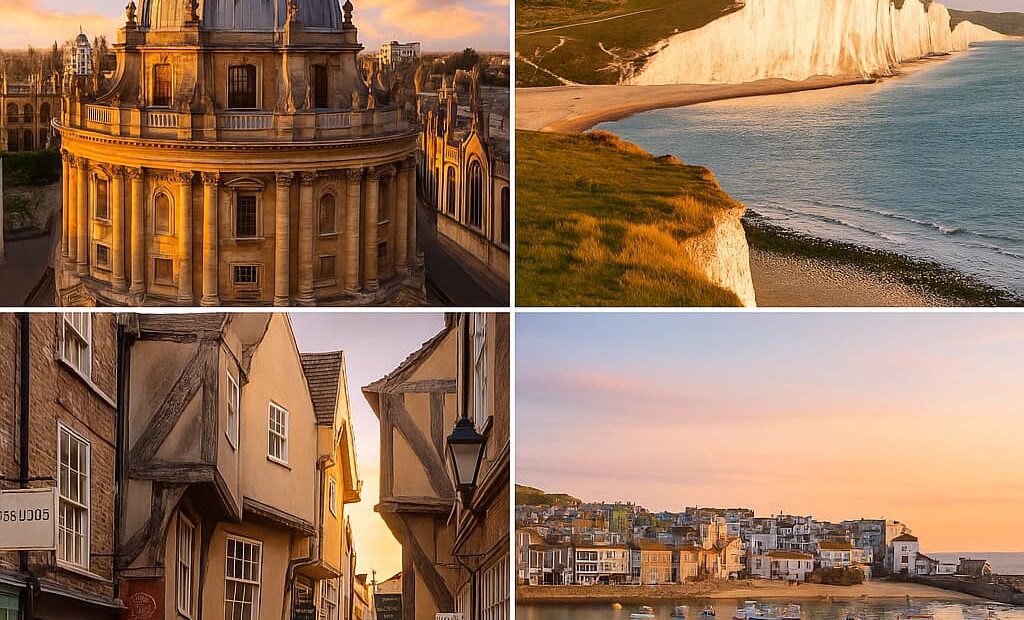
The famous street The Shambles is another must-photograph location — believed to be one of the best-preserved medieval streets in England. Here, tightly packed wooden buildings tilt toward one another over cobbled pathways, decorated with traditional iron shop signs and lanterns. The street transforms throughout the day, capturing golden glow during morning light, bustling energy at midday, and warm magic during evening illumination.
Best Photographic Locations
- York Minster exterior and interior — perfect use of symmetry, height, and architectural storytelling
- The Shambles — moody medieval street ideal for narrow-angle perspective shots
- Clifford’s Tower — sweeping city views especially powerful at sunset
- River Ouse reflections with atmospheric waterfront lighting
Photography Tips
Arrive early to capture empty streets and soft light filtering through mist. Use leading lines such as cobblestones and roof angles to guide the viewer’s eye. Night photography highlights York’s theatrical lighting, especially during winter festivals.
7. Seven Sisters Cliffs, East Sussex
Towering Chalk Cliffs & Expansive Coastal Drama
The Seven Sisters Cliffs offer one of the most commanding natural views in England — a spectacular series of bright white chalk cliffs rising sharply from the shoreline of the English Channel. The cliffs stretch in a sweeping wave-like formation that creates minimalist yet powerful compositions aligned perfectly with the horizon. The purity of the landscape, untouched by urban development, gives photographs a sense of scale, openness, and awe-inspiring natural beauty.
The best vantage point is from Seaford Head, where the full outline of the cliffs can be framed in a panoramic shot. The combination of white chalk cliffs, vivid blue water, lush green hill-tops, and expansive sky produces naturally balanced imagery. Depending on weather, the cliffs may appear strikingly crisp in sunlight or haunting and atmospheric beneath fog and cloud cover. Both moods produce excellent storytelling visuals.
For varied compositions, photographers may descend toward the beach to capture wave texture and shoreline patterns that add foreground interest. Surface ripples, pebbles, tide lines, and scattered driftwood create grounded elements ideal for framing.
Best Photographic Locations
- Seaford Head viewpoint for wide panoramic cliff alignment
- Beach-level captures incorporating waves or pebbled shore
- Hilltop coastal pathways for lifestyle and adventure shots
Photography Tips
Plan safely — cliff edges are unstable and prone to erosion. Use polarising filters to enhance blue and green tones. Midday light works surprisingly well here because it brightens the chalk cliffs dramatically.
8. Canterbury Cathedral, Kent
Gothic Masterpiece & Spiritual Photography Haven
Canterbury Cathedral is among Europe’s finest architectural achievements and a UNESCO World Heritage Site of immense cultural and historical significance. For photographers interested in architecture, light, and atmosphere, the cathedral offers a treasure trove of visual opportunities. The exterior features intricate stone carvings, spires that reach skyward, and elaborate medieval details that reward close inspection and wide framing alike.
Entering the interior, the cathedral transforms into a sensory and emotional experience: vast spaces filled with vaulted ceilings, sculpted columns stretching infinitely upward, and coloured beams of sunlight filtered through enormous stained-glass windows. The quiet hush, echoing footsteps, and interplay of shadow and illumination create images that feel spiritually powerful and visually poetic.
The cathedral grounds provide equally appealing outdoor perspectives. The cloisters — covered walkways surrounding a peaceful courtyard — feature symmetrical pointed arches casting rhythmic patterns of light and shadow that are perfect for geometric composition. Throughout the year, seasonal gardens soften the stone architecture with flowers, greenery, and sweeping branches.
Best Photographic Locations
- Cathedral façade framed by trees or flowers for natural contrast
- Cloisters showing repeating arches and dramatic perspective
- Interior nave and stained-glass projections for atmospheric depth
Photography Tips
Aim for mid-morning when sunlight floods through stained glass. Use symmetrical framing and vertical alignment to showcase architectural precision. Bring a lens suited for low light or stabilise with a tripod if permitted.
9. St Ives, Cornwall
Sunlit Coastal Colour & Inspiring Artist Perspectives
St Ives is one of England’s most captivating seaside towns, known for its Mediterranean-style palette, turquoise waves, and artistic community legacy. Photographers are drawn to the crystal-clear light unique to this corner of Cornwall — light that once inspired world-renowned painters whose work now displays in the Tate St Ives museum overlooking the sea.
The town’s harbour is a lively, colourful scene filled with bright fishing boats resting at low tide and floating reflections at high tide. Whitewashed houses climb the hillside in scattered patterns, forming clustered backdrops that look stunning against deep blue skies. The beaches, including Porthminster, Porthmeor, and Carbis Bay, offer wide sweeping sands, rock formations, and translucent water perfect for coastal compositions.
Walking the coastal pathway above St Ives reveals panoramic views that blend ocean horizon, rugged cliffs, and golden beaches stretching into the distance. Sunsets here are extraordinary, bathing the coastline in dramatic glowing amber.
Best Photographic Locations
- Harbour reflections capturing colourful boats and architecture
- Porthminster Beach at sunset with warm glowing sky
- Coastal trail viewpoints above cliffs and bay curves
Photography Tips
Shoot during the last two hours before sunset for vibrant water tone. Use aerial viewpoints to emphasise coastline shape. Capture changing tides to document transformation of scenery.
10. Oxford
Academic Grandeur & Story-Filled Architectural Detail
Oxford, often described as the “City of Dreaming Spires,” is a masterpiece of academic and architectural history. Every street tells a story shaped by nearly 1,000 years of scholarship, tradition, and artistry. For photographers seeking symmetry, vertical form, and refined architectural composition, Oxford offers perfection in every direction.
The crown jewel of the city is the Radcliffe Camera, a striking circular library of pale limestone standing proudly among narrow cobbled lanes and college walls. The building’s curved stone, domed top, and elegant windows create a naturally balanced focal point, especially when framed from surrounding streets. The Bridge of Sighs at New College Lane adds cinematic beauty — a delicate arch bridge that connects academic structures and creates one of England’s most recognisable photo angles.
Elsewhere, the Bodleian Library, Sheldonian Theatre, and university quads contribute layers of historical richness, while Christ Church Meadow blends pastoral scenery with spires rising beyond grazing horses and willow-draped rivers.
Best Photographic Locations
- Radcliffe Camera framed from surrounding lane approaches
- Bridge of Sighs with historic lamp and arch framing
- Bodleian Library entrances and scholarly courtyards
- Christ Church Meadow for tranquil landscape-style images
Photography Tips
Visit early on foggy winter mornings for soft diffused light and empty streets. Use portrait orientation to emphasise vertical architectural height.
11. Brighton
Vibrant Seaside Culture, Colourful Streets & Creative Urban Spirit
Brighton is one of England’s most dynamic coastal destinations — a lively fusion of traditional seaside charm, contemporary art, independent culture, and youthful energy. It offers photographers an exciting blend of natural beauty and urban vibrancy, making it ideal for those who seek expressive colour, character-rich detail, and playful lifestyle imagery. Brighton thrives on individuality, and that creative spirit is visible everywhere, from neon-lit amusement rides to pastel-painted shopfronts and eclectic street murals.
The iconic Brighton Pier provides cinematic potential day and night. During daylight, its Victorian ironwork and fairground structures frame dazzling ocean views. As night falls, the pier transforms into a glowing carnival of lights reflecting across the water, perfect for long-exposure photography. Brighton Beach offers endless horizon lines and dramatic pebble textures that enhance minimalist compositions or silhouette subjects. Meanwhile, The Lanes — a maze of narrow streets filled with vintage boutiques, cafes, and statement murals — deliver bold visual storytelling.
Brighton’s coastal lifestyle invites creativity: ice cream in hand, colourful deck chairs scattered on the stones, kites flying above the beach, and bicycles leaned casually against graffiti walls. Whether capturing quiet mornings or electrifying nightlife, Brighton pulses with personality.
Best Photographic Locations
- Brighton Pier for illuminated night exposures and seaside drama
- The Lanes for street art, murals, and vibrant colour palettes
- Brighton Beach during sunset with silhouettes and pebble textures
- British Airways i360 tower for aerial coastline perspectives
Photography Tips
After rainfall, use puddle reflections to mirror neon lights. Experiment with slow shutter speeds to smooth the sea beneath swirling lights. Play with contrasting colours to emphasise Brighton’s youthful energy.
12. Peak District, Derbyshire
Sweeping Wilderness, Rugged Horizons & Cinematic Adventure Landscapes
The Peak District, England’s first national park, is a landscape photographer’s dream — an untamed expanse of windswept hills, jagged cliffs, deep valleys, open moorlands, and dramatic cloud formations. The region exudes raw natural power and emotional depth, offering intensely atmospheric scenes that shift continually with the weather. Against the backdrop of rolling mist, shifting light, and vast skies, photographs taken here possess a stirring sense of adventure and solitude.
One of the most iconic viewpoints is Mam Tor, a ridgeline walk that delivers breathtaking sunrise panoramas as early morning fog fills the valleys below like rising clouds. The travelling light washes across the landscape in waves, turning hillsides gold and producing images with cinematic intensity. Winnats Pass, carved between towering limestone walls, offers dramatic shapes and leading lines ideal for wide-angle or drone photography. Meanwhile, Ladybower Reservoir, with its geometric overflow structures resembling circular stone wells, creates surreal and distinctive compositions few landscapes can match.
The Peak District encourages slow, mindful photography — exploring angles, absorbing silence, and waiting for the decisive moment of light transformation.
Best Photographic Locations
- Mam Tor ridge for spectacular sunrise cloud inversions
- Winnats Pass for dramatic mountain-road framing
- Ladybower Reservoir plugholes for surreal symmetry and depth
- Kinder Scout and Stanage Edge for rugged rock silhouettes
Photography Tips
Carry layered clothing — weather changes rapidly and unpredictably. Bring ND filters for long-exposure clouds and waterfalls. Plan arrival in darkness for sunrise scouting.
13. Windsor Castle
Royal Grandeur, Historic Ceremony & Scenic Parkland
Windsor Castle represents over a millennium of British royal history, offering unrivalled architectural magnificence and ceremonial splendour. As the oldest and largest inhabited castle in the world, it carries immense cultural and symbolic importance. Its striking battlements, commanding towers, ornate stone detail, and expansive surrounding landscapes make it a visually powerful subject for artistic and documentary-style photography alike.
The most impressive viewpoint is The Long Walk, a three-mile avenue stretching directly toward Windsor Castle, lined symmetrically with ancient trees that create a framing corridor. This long-distance perspective emphasizes the castle’s scale, authority, and sculptural detail. Seasonal changes add dramatic variation: cherry blossoms in spring, golden foliage in autumn, snow-dusted stillness in winter, and lush greens in summer. Close-up compositions capture historic textures — intricately carved stone, ceremonial guards, royal banners, and sweeping curved walls.
Windsor blends formal grandeur with natural tranquillity, offering an emotionally rich contrast between royal history and peaceful countryside parkland.
Best Photographic Locations
- The Long Walk for symmetrical, cinematic framing
- Castle entrance and stone façades for architectural storytelling
- Royal Guard ceremony for heritage documentary content
- The Great Park meadows and deer park
Photography Tips
Photograph in mid-afternoon for warm stone reflection. Use telephoto lenses to compress perspective and emphasize scale. Sunrise with low fog creates magical storytelling conditions.
14. Cambridge
Scholarly Tranquillity, River Reflections & Collegiate Architecture
Cambridge offers a peaceful, elegant environment defined by academic tradition, riverside harmony, and architectural refinement. The city’s historic colleges line the River Cam, connected by graceful stone bridges and surrounded by gardens, leafy pathways, and impeccably maintained courtyards. The quiet rhythm of punting boats drifting along the water creates a timeless scene perfect for calm, poetic photography.
The architectural crown of Cambridge is King’s College Chapel, one of the most extraordinary examples of late Gothic craftsmanship in Europe. Its towering buttresses, stained-glass windows, and exquisite fan-vaulted ceiling present remarkable photographic opportunity both inside and out. Nearby, the Bridge of Sighs — thought to be one of the most romantic structures in England — spans the river in perfect alignment for reflective compositions. Along the riverbanks, willows bend into the water, swans glide silently, and lawns stretch like emerald carpets.
Cambridge’s beauty lies in its serenity — a city that invites photographers to slow down, observe intentionally, and appreciate stillness.
Best Photographic Locations
- The Bridge of Sighs from water-level perspective
- King’s College Chapel exterior façade and interior architecture
- The River Cam with punts, swans, and reflections
- College courtyards and cloisters
Photography Tips
Shoot at golden hour to illuminate stone buildings and soften water reflections. Use vertical compositions to emphasize architectural height and symmetry.
Comparison Table: England’s Most Photogenic Instagram Locations
| Location | Region | Primary Style | Best Light | Season | Ideal Subjects |
|---|---|---|---|---|---|
| The Cotswolds | Gloucestershire / Oxfordshire | Village lifestyle & rural charm | Golden hour | Spring / Autumn | Cottages, rivers, doorways, hills |
| London | Greater London | Cityscape, architecture & street culture | Blue hour & sunrise | Year-round | Skyline, street photography, bridges |
| Lake District | Cumbria | Landscape & reflections | Sunrise | Autumn | Mountains, lakes, mist |
| Jurassic Coast | Dorset | Dramatic seascapes | Sunrise / sunset | Summer | Cliffs, sea arches |
| Bath | Somerset | Architectural symmetry | Late afternoon | Summer | Georgian terraces, abbey |
| York | Yorkshire | Medieval atmosphere | Evening | Winter | Cathedral, cobbled alleys |
| Seven Sisters | East Sussex | Wide coastal panoramas | Midday | Summer | Cliffs, ocean horizon |
| Canterbury Cathedral | Kent | Gothic heritage | Morning | Spring | Arches, stained glass |
| St Ives | Cornwall | Coastal colour & lifestyle | Sunset | Summer | Beaches, boats |
| Oxford | Oxfordshire | Collegiate architecture | Sunrise & fog | Winter | Spires, stone courtyards |
| Brighton | East Sussex | Street art & seaside | Sunset / night | Summer | Neon, pier |
| Peak District | Derbyshire | Adventure landscape | Sunrise | Autumn | Ridges, valleys |
| Windsor Castle | Berkshire | Royal grandeur | Afternoon | Spring | Castle, ceremonial guard |
| Cambridge | Cambridgeshire | Riverside tranquillity | Golden hour | Spring / Summer | Reflections, punts, bridges |
FAQs
1. What makes England such a compelling destination for travel photography?
England’s appeal lies in its extraordinary variety, compressed into a small geographical area, allowing one to experience multiple visual worlds in a single journey. Travellers can move from ancient stone villages to futuristic skyscraper skylines, from rugged peaks to calm river towns, from dramatic storm-beaten cliffs to elegant royal palaces — often within only a few hours of travel. England’s history, cultural diversity, and four-season climate create a constantly shifting photographic mood and texture. Its transport network makes exploration easy without needing a car, allowing photographers freedom to chase weather, light, and unexpected scenes spontaneously. From iconic landmarks to hidden corners, England offers endless opportunities to build a rich and emotionally resonant photographic collection.
2. Do I need professional photography gear to capture high-quality images in England?
While professional lenses and bodies can enhance technical results, they are absolutely not required to capture impressive images. Many of England’s most beautiful scenes rely more on lighting, composition, and storytelling feeling than expensive equipment. Modern smartphones now feature wide-angle lenses, portrait depth, raw capture, long exposure simulation, and exceptional low-light performance — more than enough to produce stunning results. Simple accessories such as a compact tripod, polarising filter, portable power bank, and microfiber cloth can be far more beneficial than heavy equipment. Creativity and timing always matter more than technology.
3. Which season offers the best photography conditions in England?
Every season brings its own distinctive mood and style. Spring offers blooming gardens, pastel landscapes, and gentle skies perfect for soft colour palettes. Summer brings vibrant coastal light, long golden-hour evenings, and clear reflections. Autumn transforms national parks into cinematic scenes filled with gold, red, and amber tones and atmospheric morning mists. Winter offers dramatic low sun angles, fog-filled valleys, frosty textures, and magical Christmas illumination in historic towns. Rather than avoiding clouds or rain, many photographers embrace them — dramatic skies often produce the most interesting and emotionally rich photos.
4. How long should I spend to visit multiple Instagram-worthy locations?
For travellers wishing to cover a diverse range of destinations, a 10- to 14-day itinerary is ideal. This length allows time to include both city locations and natural landscapes, and importantly, flexibility to revisit spots for sunrise, weather changes, and night photography. A shorter 5- to 7-day journey works well for southern and central destinations such as London, Oxford, Bath, and the Cotswolds. Photographers focusing primarily on national parks may benefit from dedicating several days to a single region such as the Lake District or Peak District to explore different lighting conditions and viewpoint variations.
5. What are the best sunrise and sunset photography destinations in England?
The Peak District’s Mam Tor is widely considered one of the best sunrise locations due to spectacular cloud inversions and sweeping ridge views. Durdle Door produces stunning silhouette effects when the sun rises directly behind the limestone arch. Windermere and Buttermere in the Lake District offer still reflections perfect for morning symmetry. For sunsets, Brighton Pier, St Ives, and coastal viewpoints on the Jurassic Coast deliver incredible sky colour and dramatic ocean light. Urban blue-hour photography is best in London, where lights along the Thames transform architecture into glowing sculptural silhouettes.
6. Is England suitable and safe for solo travellers or photographers carrying equipment?
Yes. England is considered one of the safest and most accessible travel destinations in Europe. Its public transport network is extensive and reliable, making it easy to move independently between cities, towns, and scenic regions. Most photography locations are in well-maintained public spaces and popular walking areas with clear signage and visitor facilities. Standard personal awareness and equipment safety practices apply, particularly in large cities and at night, but solo travellers generally report an easy, comfortable, and welcoming experience.
7. How important is weather planning for photography in England?
Weather significantly influences photographic results in England, often turning ordinary scenes into extraordinary ones. Dramatic clouds, fog rolling through valleys, glistening pavements after rain, wind-shaped waves along coastal cliffs, and soft diffused light all contribute to emotionally rich compositions. Clear skies offer clarity and brightness, while stormy conditions add drama, tension, and texture. Checking hourly weather forecasts, tide charts, sun-position apps, and sunrise/sunset times helps maximise opportunities. Many of England’s best photographs come from embracing unpredictable conditions rather than waiting for textbook weather.
Conclusion
England is a truly remarkable destination for photography lovers — a country filled with visual contrasts, emotional atmosphere, and timeless scenery that invites exploration at every step. From soaring cliffs and wild mountains to romantic riverside scenes and historic streets whispering stories from centuries past, these fourteen locations represent the best of England’s natural and cultural beauty. Every region captures a different feeling, proving that stunning photographs come not only from grand landmarks but from quiet moments, shifting light, and personal interpretation.
Whether you are seeking inspiration, artistic growth, or unforgettable memories, England encourages you to slow down, observe deeply, and connect with place and presence. Let these destinations be milestones in your creative journey, and may each photograph you take become a reflection of not just where you travelled, but how the experience shaped you. The world behind the lens is waiting — and England offers a canvas unlike any other.