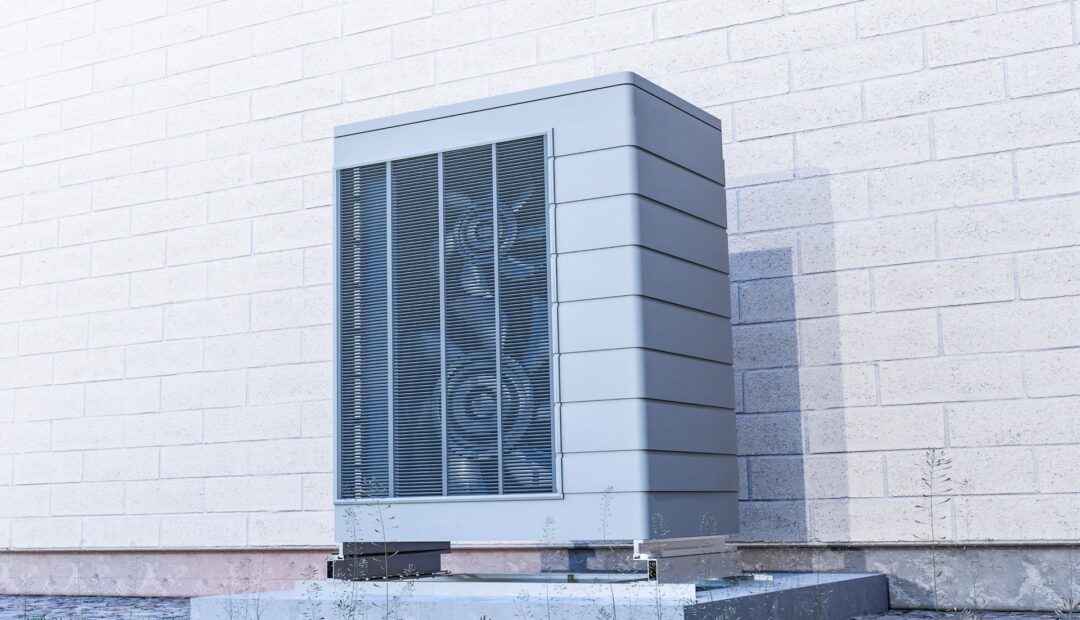
Home heating has always been a cornerstone of comfort. From coal fires to gas boilers, the methods people use to keep their homes warm have shifted with each new generation. Today, the conversation is changing once again. More and more homeowners are turning to air source heat pumps (ASHPs) as an alternative to conventional heating systems. This change is not just a passing trend; it reflects deeper concerns about rising energy costs, environmental sustainability, and the desire for efficient technologies that can stand the test of time.
The Shift in Heating Choices
For decades, central heating systems powered by gas or oil were considered the default in many homes. They offered reliability and immediate warmth but often came with high fuel costs and significant carbon emissions. Over the past ten years, as climate concerns have become more urgent, governments and communities alike have started to encourage cleaner energy solutions. Against this backdrop, air source heat pumps have emerged as a realistic and practical choice.
Unlike fossil fuel systems, an ASHP draws energy from the outside air and transfers it into usable heat. While this might sound counterintuitive in colder months, the technology is designed to extract warmth even in low temperatures. For households looking to future-proof their heating while reducing reliance on non-renewable resources, this shift has clear appeal.
Efficiency That Makes a Difference
One of the strongest reasons behind the growing popularity of heat pumps is their efficiency. Traditional boilers usually operate at about 85–90% efficiency. In contrast, a well-installed heat pump can deliver three to four units of heat for every unit of electricity consumed. This efficiency is not theoretical—it translates into tangible energy savings over time.
Of course, efficiency depends on proper installation, house insulation, and climate. Regular upkeep, such as servicing air source heat pump systems, also plays a role in maintaining performance. For many homeowners, especially those in well-insulated properties, the benefits quickly outweigh the initial concerns. The system’s ability to serve both heating and cooling functions also adds to its practicality, further strengthening its case as a long-term investment.
Environmental Consciousness
In an era where households are increasingly aware of their carbon footprint, the environmental benefits of ASHPs are impossible to ignore. By harnessing renewable energy from the air, these systems significantly reduce greenhouse gas emissions when compared to gas or oil heating. For families trying to align their lifestyles with sustainability goals, the switch to a heat pump is a step in the right direction.
Additionally, with energy policies worldwide moving towards decarbonisation, traditional fossil fuel systems will likely become less viable in the long run. Homeowners who adopt air source heat pumps today are positioning themselves ahead of the curve in this energy transition.
Cost Considerations and Long-Term Value
At first glance, the cost of installing an air source heat pump may feel daunting. It is typically higher than replacing a boiler. However, the long-term perspective tells a different story. Energy efficiency leads to lower running costs, particularly in households that optimise their energy use. Over time, these savings can balance out the initial expenditure.
In addition, many regions provide financial incentives or support schemes to encourage renewable heating adoption. While these vary, they can significantly reduce upfront expenses and make the option more accessible. For families who plan to stay in their homes for years to come, the long-term value is clear.
Practical Advantages for Everyday Living
Beyond the technical and environmental benefits, homeowners are finding air source heat pumps to be practical in day-to-day life. Unlike traditional systems that cycle on and off, ASHPs maintain a steady level of warmth. This consistent comfort is often described as gentler and more natural, avoiding the sharp fluctuations in temperature familiar with older heating systems.
The versatility of these systems also stands out. Many ASHPs are designed not only for heating but also for cooling in warmer months. With unpredictable weather patterns becoming more common, this dual functionality can make a real difference.
Servicing and Maintenance
No heating system is entirely maintenance-free, and heat pumps are no exception. Homeowners must ensure their system continues to run at peak efficiency. Tasks like filter cleaning, outdoor unit checks, and routine inspections form part of good upkeep. Professional servicing is recommended, much like with a boiler.
For those weighing up the practicality of ownership, servicing air source heat pump systems is generally straightforward. Regular servicing ensures the equipment operates efficiently, extends its lifespan, and reduces the chance of breakdowns during cold spells. Homeowners who commit to these checks usually find the process no more demanding than what they were used to with older systems.
The Role of Changing Lifestyles
Modern living places new demands on home energy. People work from home more frequently, spend more time indoors, and rely heavily on consistent comfort. Heat pumps fit well into this lifestyle, providing stable heating without dramatic cost fluctuations. They also align with the increasing demand for smart technologies in the home, as many models can be integrated into modern energy management systems.
Challenges and Considerations
Of course, the decision to switch to an air source heat pump is not without challenges. Installation requires careful planning and sometimes adaptations to existing radiators or insulation. The upfront cost remains a hurdle for many, and efficiency can be limited in older, draughty homes without improvements.
Yet, as more homeowners make the transition, practical experience continues to dispel myths. With the right preparation, most properties can accommodate the system effectively, and the investment pays off in comfort, sustainability, and lower running costs.
Looking Ahead
The move towards heat pumps reflects a broader cultural and environmental shift. Homeowners are not just seeking warmth; they are making conscious choices about how their homes impact the planet. As energy policies tighten and fossil fuel systems gradually phase out, the appeal of technologies like air source heat pumps will only grow stronger.
Conclusion
The rise of air source heat pumps is not a fleeting trend but a reflection of deeper changes in how people approach home heating. Efficiency, sustainability, and practicality have combined to make them a compelling option for homeowners across the UK and beyond. While challenges remain, the growing number of households embracing this technology shows a clear direction for the future of domestic energy.
For those willing to invest, plan carefully, and commit to regular upkeep—such as servicing air source heat pump systems the benefits extend far beyond warmth. They represent a future-proof way of living, where comfort and responsibility go hand in hand.