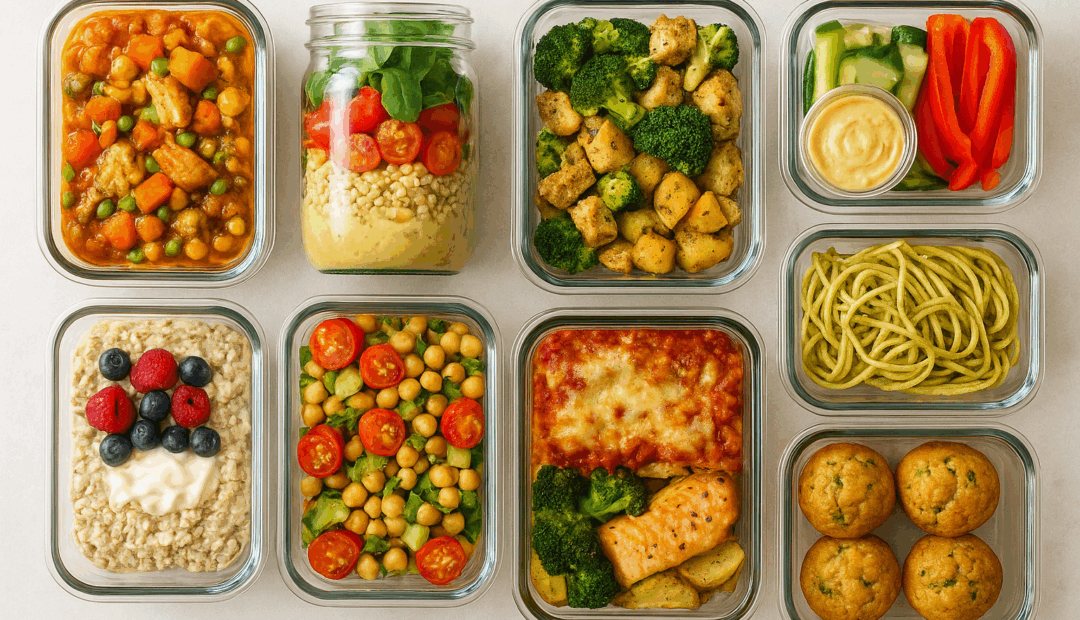
Life in the UK can be hectic. Between long workdays, commuting, and family responsibilities, finding time to cook can feel impossible. Many people rely on convenience foods or takeaways, which are expensive, often high in sugar and fat, and lacking in nutrition. Meal prepping is a smarter, healthier solution. It saves time, reduces stress, and helps you stick to a budget while eating well.
Imagine opening your fridge to find ready-to-eat, nutritious meals every day—no daily cooking stress, no last-minute takeaways. Whether you live in bustling London, scenic Edinburgh, or a small English town, these 12 easy and affordable meal prep ideas will save you time, money, and energy while keeping your diet balanced and healthy.
Introduction
In the UK, busy lifestyles often mean mealtimes are rushed. Convenience foods dominate, yet they can be expensive and nutritionally poor. Meal prepping is not just a trend—it’s a practical solution for anyone looking to eat healthier while saving time and money. By dedicating a few hours each week to planning and cooking, you can enjoy homemade meals every day, no matter how busy your schedule.
Meal prepping also promotes better nutrition and portion control. Planning meals in advance allows you to include a variety of foods: lean proteins, whole grains, fibre-rich vegetables, and healthy fats. Using seasonal British produce, store-brand staples, and bulk purchases from supermarkets like Tesco, Asda, or Aldi can make meal prepping surprisingly cost-effective.
1. One-Pot Wonders
Why One-Pot Meals Work
One-pot meals are perfect for busy Brits because they minimize cooking and cleaning while offering comforting, flavourful dishes. Ideal for soups, stews, risottos, and curries, these meals can be made in bulk and stored in the fridge or freezer for up to five days.
Meal Idea: Chicken and root vegetable stew with carrots, parsnips, cabbage, and frozen peas. Serve with wholegrain bread or a baked potato.
Prep Tips:
- Use a slow cooker for “set it and forget it” convenience.
- Double recipes to freeze half for later.
- Season with herbs like thyme, rosemary, or bay leaves—cheap and nutritious.
Nutritional Info: One serving provides protein from chicken, fibre from root vegetables, and
-
Add grains like barley or brown rice for extra fibre.
essential vitamins like vitamin C and potassium from cabbage and carrots.
2. Mason Jar Salads
Quick, Fresh, and Portable
Mason jar salads are perfect for busy workers, students, or anyone on the go. Layer ingredients strategically: dressing at the bottom, sturdy vegetables, proteins, grains, and delicate greens on top. This prevents sogginess and ensures freshness throughout the week.
Meal Idea: Quinoa, chickpeas, cherry tomatoes, roasted peppers, spinach, and a light olive oil-lemon dressing.
Prep Tips:
- Make 3–5 jars for the workweek.
- Use seasonal UK vegetables like kale, cucumber, or beetroot.
- Add seeds or nuts for extra protein and healthy fats.
- Pre-roast vegetables to save cooking time during the week.
Budget Tip: Frozen vegetables are cheaper and last longer. Bulk quinoa or couscous from discount supermarkets can reduce costs.
3. Freezer-Friendly Casseroles
Cook Once, Enjoy All Week
Casseroles are versatile, budget-friendly, and freezer-friendly. They’re ideal for families or those who want ready-made meals. Simply portion and freeze for up to three months.
Meal Idea: Vegetable lasagna using courgettes, mushrooms, spinach, and budget-friendly pasta sheets. Top with a light cheese or béchamel sauce.
Prep Tips:
- Freeze in portion-sized containers for easy reheating.
- Use leftover vegetables to minimize food waste.
- Pre-cook proteins like chicken or lentils for added nutrition.
Storage Tip: Use freezer-safe airtight containers to prevent freezer burn. Label with the date for safety.
Nutritional Info: Packed with fibre, protein, and vitamins. Low-fat cheese and plenty of vegetables make this a healthy comfort meal.
4. Overnight Oats
Healthy Breakfasts in Minutes
Overnight oats are versatile, nutritious, and ideal for busy mornings. Combine oats, milk or plant-based alternatives, chia seeds, and fruits in a jar and leave in the fridge overnight.
Meal Idea: Rolled oats with frozen British berries, Greek yogurt, and a teaspoon of honey.
Prep Tips:
- Rotate toppings to avoid monotony.
- Add nuts, seeds, or cinnamon for extra flavour.
- Use budget-friendly frozen fruit to save money.
- Store up to 5 jars at a time for the workweek.
Nutritional Info: High in fibre, protein, and antioxidants. Perfect for sustained energy during busy mornings.
5. DIY Snack Packs
Avoid Processed Snacks
Preparing snack packs ensures healthy options are always available. Pre-portion nuts, fruits, veggie sticks, or boiled eggs for grab-and-go convenience.
Meal Idea: Carrot sticks, cherry tomatoes, hummus, and a handful of almonds.
Prep Tips:
- Use resealable containers to prevent spoilage.
- Include a mix of protein, carbs, and healthy fats.
- Add seasonal fruit like apples or pears for variety.
Budget Tip: Buy nuts and seeds in bulk—they’re cheaper and last longer.
6. Sheet Pan Dinners
Minimal Effort, Maximum Taste
Sheet pan meals let you roast protein and vegetables together. Quick to prepare and clean up, these meals are ideal for busy households.
Meal Idea: Salmon fillets with broccoli, potatoes, and bell peppers. Season with olive oil, garlic, and lemon.
Prep Tips:
- Use parchment paper to minimize cleanup.
- Rotate proteins weekly: chicken, cod, or tofu work well.
- Include seasonal vegetables for cost-effectiveness.
Nutritional Info: Provides high-quality protein, healthy fats, fibre, and essential vitamins.
7. Rice and Grain Bowls
Customizable and Filling
Cook a large batch of rice, quinoa, or couscous, then top with protein, vegetables, and sauce. Change toppings weekly for variety.
Meal Idea: Brown rice with roasted chicken, sweet peppers, and peanut sauce.
Prep Tips:
- Use leftover roasted vegetables.
- Experiment with international cuisines: teriyaki, curry, Mediterranean.
- Include beans or lentils to increase protein.
Budget Tip: Brown rice and lentils are inexpensive and keep well in bulk.
8. Soup in a Batch
Comforting and Budget-Friendly
Soup is easy, filling, and ideal for freezing. Perfect for chilly UK weather.
Meal Idea: Lentil and tomato soup with carrots, celery, and garlic. Serve with wholegrain bread.
Prep Tips:
- Store in airtight containers for up to a week.
- Use dried or canned legumes to save money.
- Blend half for a creamy texture without cream.
Nutritional Info: High in fibre, protein, vitamins, and low in calories.
9. Pasta Prep for the Week
Quick, Versatile Meals
Cook pasta in bulk and pair with different sauces for varied meals. Wholegrain pasta adds fibre and keeps you fuller.
Meal Idea: Wholegrain pasta with roasted vegetables, pesto, and grilled chicken.
Prep Tips:
- Portion pasta into containers for grab-and-go meals.
- Make sauces in bulk.
- Freeze cooked pasta without sauce for longer storage.
10. Stir-Fry Packs
Fast and Flavourful
Pre-chop vegetables, proteins, and sauces for quick stir-fry meals.
Meal Idea: Chicken or tofu with bell peppers, broccoli, and soy-ginger sauce.
Prep Tips:
- Use frozen vegetables to save time.
- Keep sauces simple: soy, garlic, and ginger.
- Pre-cut ingredients save 10–15 minutes.
Nutritional Info: Rich in protein, fibre, and vitamins, with minimal fat if cooked with a small amount of oil.
11. Breakfast Muffins
Nutritious Grab-and-Go Options
Savory or sweet muffins are perfect for breakfast or snacks. Bake in bulk and store in fridge or freezer.
Meal Idea: Spinach and cheese muffins or banana oat muffins with cinnamon.
Prep Tips:
- Use wholemeal flour for extra fibre.
- Add vegetables in savory muffins for added nutrients.
- Freeze muffins individually to last longer.
Nutritional Info: Good source of fibre, protein, and vitamins depending on ingredients.
12. Batch Cooking Proteins
Use Across Multiple Meals
Cooking proteins in bulk reduces daily cooking and ensures balanced nutrition. Roast, grill, or boil proteins for versatile use.
Meal Idea: Roast chicken, boiled eggs, lentils, or beans. Use across salads, wraps, rice bowls, or stir-fries.
Prep Tips:
- Portion proteins into containers.
- Freeze cooked proteins for 1–3 months.
- Rotate protein sources weekly to avoid monotony.
Frequently Asked Questions
1. How much time does meal prepping save?
Meal prepping can save busy Brits anywhere from 5 to 10 hours per week, depending on how well you plan. By cooking in bulk, portioning meals in advance, and pre-chopping vegetables, you significantly reduce daily cooking and cleanup time. This means you can enjoy nutritious, home-cooked meals even on hectic workdays. It also helps avoid last-minute takeaways, giving you more control over your diet and lifestyle.
2. Is meal prepping expensive?
Not at all. Meal prepping can actually save money when done strategically. Buying ingredients in bulk, using seasonal and frozen vegetables, and planning meals around supermarket offers helps cut costs. Stores like Tesco, Aldi, Lidl, and Sainsbury’s provide affordable staples perfect for meal prep. Compared to daily takeaways or convenience meals, homemade prepped dishes are cheaper, healthier, and allow you to use every ingredient efficiently without wasting food.
3. Can I meal prep for a vegetarian diet?
Absolutely. Vegetarian meal prepping is easy and nutritious. Legumes such as lentils, chickpeas, and beans, combined with whole grains, tofu, and seasonal vegetables, provide ample protein, fibre, and essential nutrients. You can prepare lentil stews, chickpea salads, quinoa or couscous bowls, and vegetable stir-fries in bulk. Many of these dishes are freezer-friendly and can be quickly reheated, making them perfect for busy weeks without relying on processed or packaged vegetarian options.
4. How long can prepped meals last?
The longevity of prepped meals depends on storage methods and ingredients. Most cooked meals last 3–5 days in the fridge when stored in airtight containers at the correct temperature. Freezer-friendly dishes, such as soups, casseroles, cooked proteins, and grains, can last 1–3 months. Label containers with dates to keep track, and ensure meals are cooled before freezing to maintain texture and flavor. Proper storage prevents spoilage and ensures safe consumption.
5. Can meal prep help with weight management?
Yes, meal prepping is an excellent tool for weight management. Pre-planning meals allows you to control portion sizes, manage calorie intake, and ensure balanced nutrition. By having ready-to-eat meals, you avoid impulsive snacking and high-calorie takeaways. Including protein, fibre, and complex carbs in every meal helps keep you full longer. Meal prepping also encourages mindful eating habits, making it easier to stick to diet goals while maintaining a healthy lifestyle.
6. Do I need special containers for meal prepping?
Using the right containers can make meal prepping easier and more effective. Airtight, stackable containers keep food fresh, prevent leaks, and save space in the fridge or freezer. Glass containers are durable, microwave-safe, and eco-friendly, while BPA-free plastic containers are lightweight and affordable. Mason jars are perfect for layered salads or overnight oats. Investing in proper containers ensures meals stay fresh, maintain texture, and are easy to grab during busy days.
7. How do I avoid boredom with meal prep?
Meal prep doesn’t have to be monotonous. Rotate your proteins, grains, vegetables, and sauces weekly to keep meals exciting. Try different international cuisines like Mexican, Mediterranean, or Asian-inspired dishes. Use fresh herbs, spices, and marinades to add variety and flavour. Seasonal produce ensures freshness, affordability, and variety in colours and nutrients. Experimenting with new recipes and flavour combinations helps maintain enthusiasm for meal prep and ensures you enjoy your meals every day.
Conclusion
Meal prepping is a powerful tool for busy Brits seeking convenience, nutrition, and cost-efficiency. From one-pot meals and mason jar salads to freezer-friendly casseroles and stir-fries, meal prepping saves time, reduces stress, and encourages healthy eating habits.
By planning ahead, using seasonal and budget-friendly ingredients, and cooking in bulk, meal prepping ensures you have nutritious, delicious meals every day. It’s a sustainable, practical approach that reduces food waste, supports weight management, and transforms your weekly routine. Start small, stay consistent, and enjoy the long-term benefits of meal prepping.