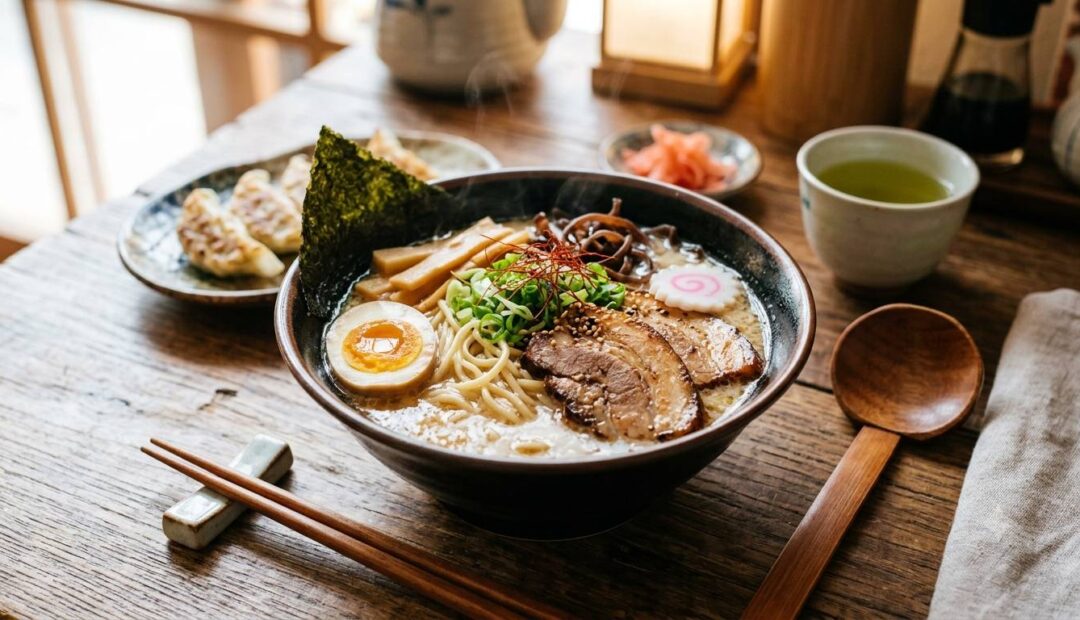
A good ramen bowl brings together springy noodles, fragrant broth and toppings that make every mouthful interesting. Yet adding more ingredients does not always improve the result. Too much sauce can overwhelm the broth, while oversized portions of noodles can leave little room for vegetables or protein.
Building a balanced ramen bowl means considering flavour, texture and ingredient variety together. You do not need specialist equipment or a cupboard full of Japanese seasonings. With a few thoughtful choices and the right cooking order, homemade ramen can become a flexible meal that suits your appetite, preferences and available ingredients.
Start with Noodles That Hold Their Texture
Ramen noodles are typically wheat noodles made with alkaline salts, which contribute to their characteristic springiness. Fresh and dried varieties can both work well at home; follow the packet instructions because cooking times vary considerably.
Choose noodles that you enjoy eating and can source easily. Thin noodles suit lighter broths, while thicker varieties provide a more substantial bite. If using an alternative, such as soba, expect a different flavour and texture.
Cook noodles separately from the broth to control their texture and prevent excess starch from clouding the soup. Drain them promptly and assemble the bowl immediately. They will continue softening in the hot liquid, so avoid leaving cooked noodles waiting while you prepare everything else.
Build a Broth with Depth and Restraint
Your ramen broth should taste satisfying before the toppings arrive. Start with chicken or vegetable stock, then gently simmer it with sliced ginger, garlic and spring onion trimmings. Strain out tough pieces before serving.
A lower-salt stock gives you more control over the final seasoning. Add soy sauce or miso gradually, tasting after each addition rather than measuring several salty ingredients straight into the pan.
For a spicy direction, wagamama’s chicken ramen recipe combines a chilli-seasoned broth with chicken, noodles, fresh garnishes and lime. The useful principle is contrast: heat and richness benefit from a bright finishing touch. wagamama wok from home
If your broth tastes too salty, dilute it with water or unsalted stock. Lime juice can brighten the flavour, but it does not remove salt. Add chilli cautiously, especially when serving people with different preferences.
Make Room for Protein and Vegetables
Choose one main protein to give the bowl substance. Sliced cooked chicken, tofu or an egg are accessible options. You can combine them, but there is no need to pile several proteins onto an already generous serving.
Prepare chicken fully before adding it to the finished bowl; hot broth should not be relied upon to cook raw slices. For tofu, pan-frying adds a firmer surface and contrasts nicely with soft noodles.
Include vegetables with different textures. Mushrooms bring a savoury flavour, pak choi adds tender leaves and crisp stems, and carrots offer sweetness and colour. Slice vegetables evenly so they cook predictably.
Cook firmer vegetables first and add delicate greens towards the end. This keeps the bowl varied rather than reducing every ingredient to the same soft texture.
Choose Toppings with a Clear Purpose
The best ramen toppings each contribute something useful. Spring onions provide freshness, toasted sesame seeds add a gentle crunch, and a small drizzle of sesame oil contributes aroma.
Think about what the bowl already contains before adding extras. A rich broth might benefit from lime, while a mild broth could welcome a little chilli. If the protein is strongly seasoned, keep other additions simple.
Start with two or three finishing touches. You can always add more at the table, but too many sauces and garnishes make it harder to appreciate the broth underneath.
Use Flexible Portions for a Satisfying Bowl
There is no single ideal portion for everyone. Appetite, activity and the rest of your meals all influence how much feels appropriate.
As a practical starting point, give noodles, protein and vegetables visible space in the bowl. If noodles occupy almost the entire serving, reduce them slightly or use a larger bowl to accommodate more vegetables.
Add enough broth for the ingredients to sit comfortably without becoming difficult to eat. Adjust the quantities over time according to what leaves you satisfied, rather than treating a restaurant-sized serving as the default.
Assemble a Practical Example Bowl
For one adaptable serving, start with these approximate quantities:
- 75g dried ramen noodles.
- 400–500ml lower-salt chicken or vegetable stock.
- 100g cooked chicken or 125g firm tofu.
- 150g vegetables, such as mushrooms, carrots and pak choi.
- A little sliced ginger and garlic.
- Soy sauce or miso, added gradually to taste.
- One sliced spring onion, a lime wedge and optional sesame seeds.
These amounts are a cooking guide, not a dietary prescription.
First, prepare the protein and slice the vegetables. Simmer the stock with ginger and garlic, then taste and season it. Cook the mushrooms and carrots until tender, adding the pak choi near the end.
Meanwhile, boil the noodles in a separate pan. Drain and transfer them to a warmed, heatproof bowl. Pour over the broth and vegetables, arrange the protein on top, then finish with spring onion, lime and sesame seeds. Serve immediately while the noodles retain their bite.
Avoid Common Ramen Mistakes
The most common problems come from timing and heavy seasoning. Prepare toppings before cooking the noodles, and keep the broth hot while you assemble.
Keeping these components ready before you start also makes cooking calmer, particularly when you are preparing several bowls and want to serve everyone together promptly.
Avoid adding stock concentrate, soy sauce and miso without tasting between additions. Likewise, start sparingly with flavoured oils: a little can enhance the aroma, while too much may dominate the surface.
Finally, resist overcrowding the bowl. Leave enough space to lift noodles and reach the broth without spilling it.
Bring Everything Together
A balanced ramen bowl starts with thoughtful proportions and finishes with careful seasoning. Choose springy noodles, build a broth you enjoy, add protein and varied vegetables, then use toppings selectively. Once the basic method feels familiar, adapting the ingredients becomes straightforward, making ramen a practical option for everyday home cooking.