Water safety is a critical responsibility for anyone managing a commercial property. Whether you oversee an office, school, hotel, healthcare facility or industrial premises, failing to manage water systems correctly can create serious health risks for occupants and visitors.
One of the most important steps in maintaining water hygiene is carrying out a Legionnaires risk assessment. This assessment helps identify where Legionella bacteria could grow and ensures appropriate control measures are in place to reduce the risk of Legionnaires’ disease.
What Is Legionella?
Legionella is a naturally occurring bacteria found in freshwater environments such as rivers and lakes. Problems arise when it enters man-made water systems, where warm temperatures and stagnant water can allow the bacteria to multiply.
If contaminated water droplets become airborne and are inhaled, they can cause Legionnaires’ disease, a potentially serious form of pneumonia. Older people, smokers, and those with weakened immune systems are particularly vulnerable, although anyone can be affected.
Why Risk Assessments Are Important
Many commercial buildings contain water systems capable of supporting Legionella growth if they are not properly managed. These may include:
- Hot and cold water systems
- Cooling towers
- Water storage tanks
- Showers and washrooms
- Spa pools
- Decorative fountains
A professional risk assessment identifies potential hazards before they become serious problems, allowing organisations to implement suitable control measures and demonstrate compliance with health and safety legislation.
Understanding Your Legal Responsibilities
In the UK, employers, landlords and those responsible for managing premises have legal duties under the Health and Safety at Work etc. Act 1974 and the Control of Substances Hazardous to Health (COSHH) Regulations.
The Health and Safety Executive’s Approved Code of Practice L8 provides recognised guidance on controlling Legionella risks within water systems.
Although every building is different, duty holders are generally expected to:
- Assess the risk of Legionella exposure
- Identify who is responsible for water safety
- Implement suitable control measures
- Monitor water systems regularly
- Maintain accurate records
- Review assessments when circumstances change
A documented risk assessment forms the foundation of an effective water hygiene management programme.
What Happens During a Legionella Risk Assessment?
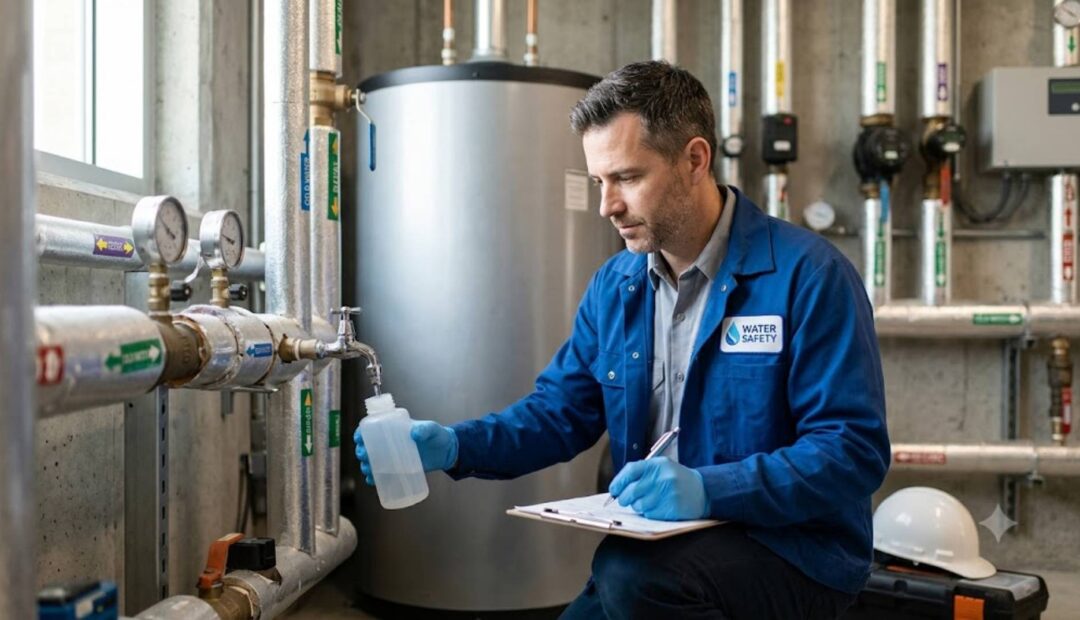
A competent assessor will inspect the property’s water systems to identify conditions that could encourage bacterial growth.
The assessment typically includes:
- Inspection of hot and cold water systems
- Identification of dead legs and redundant pipework
- Temperature monitoring
- Assessment of water storage tanks
- Review of maintenance records
- Identification of high-risk areas
- Recommendations for corrective actions
Following the survey, the organisation receives a detailed report outlining any risks identified and practical recommendations for improving compliance.
Benefits Beyond Compliance
While meeting legal obligations is important, a Legionella risk assessment offers several wider benefits.
It helps organisations:
- Protect employees, residents and visitors
- Reduce the likelihood of costly outbreaks
- Demonstrate due diligence
- Support insurance requirements
- Improve asset management
- Plan preventative maintenance more effectively
Taking a proactive approach to water hygiene often reduces long-term maintenance costs while improving overall building safety.
How Often Should Assessments Be Reviewed?
There is no fixed legal requirement stating exactly how often a Legionella risk assessment must be repeated. However, it should be reviewed regularly and whenever significant changes occur, such as:
- Alterations to the water system
- Changes in building occupancy
- Extended building closures
- New equipment installations
- Changes to water usage patterns
Regular reviews ensure the assessment continues to reflect the current risks within the building.
Choosing a Competent Specialist
Because every building is different, it is important to use experienced water hygiene professionals who understand current legislation and recognised industry guidance.
A competent provider will not simply complete a checklist but will offer practical recommendations that help organisations manage risks effectively while maintaining ongoing compliance.
Final Thoughts
Legionella bacteria cannot always be seen, but the risks associated with poorly managed water systems are very real. A professional Legionnaires risk assessment provides the knowledge needed to identify hazards, protect building occupants and meet legal responsibilities.
By taking a proactive approach to water hygiene management, organisations can create safer environments, reduce operational risks and demonstrate a strong commitment to health and safety.